
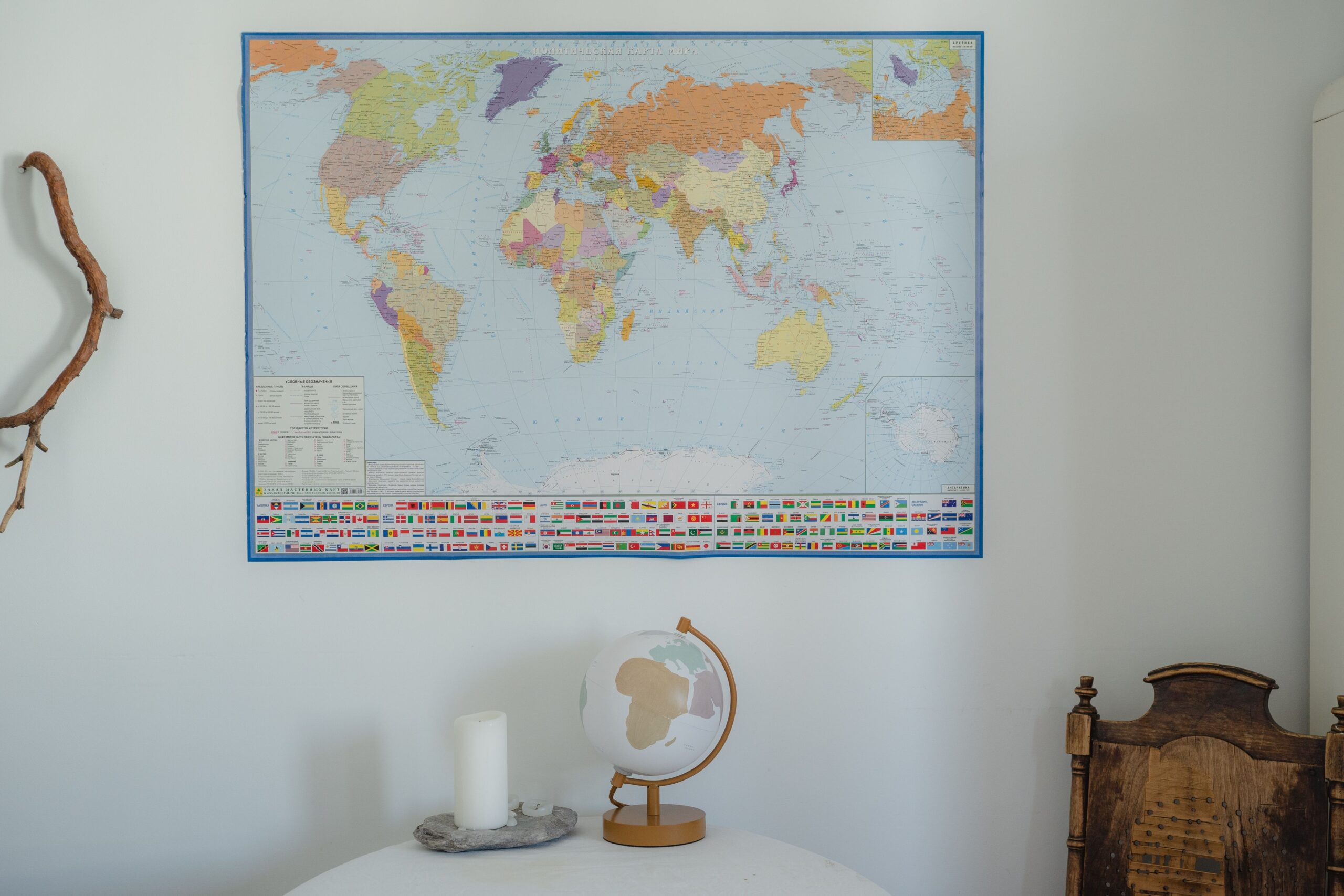
You can learn the countries of the world more easily by starting with familiar regions, memorizing neighboring countries, and testing yourself on a blank map. Short, regular practice sessions are more useful than trying to memorize every country at once.
You may already recognize national flags, follow international football teams, or have several destinations on your travel wish list. Yet an unlabeled world map can still reveal gaps in your geography knowledge. A few reliable reference points can help you build a clearer picture of where countries belong.
1. Learn Countries by Region Instead of Memorizing the Whole World
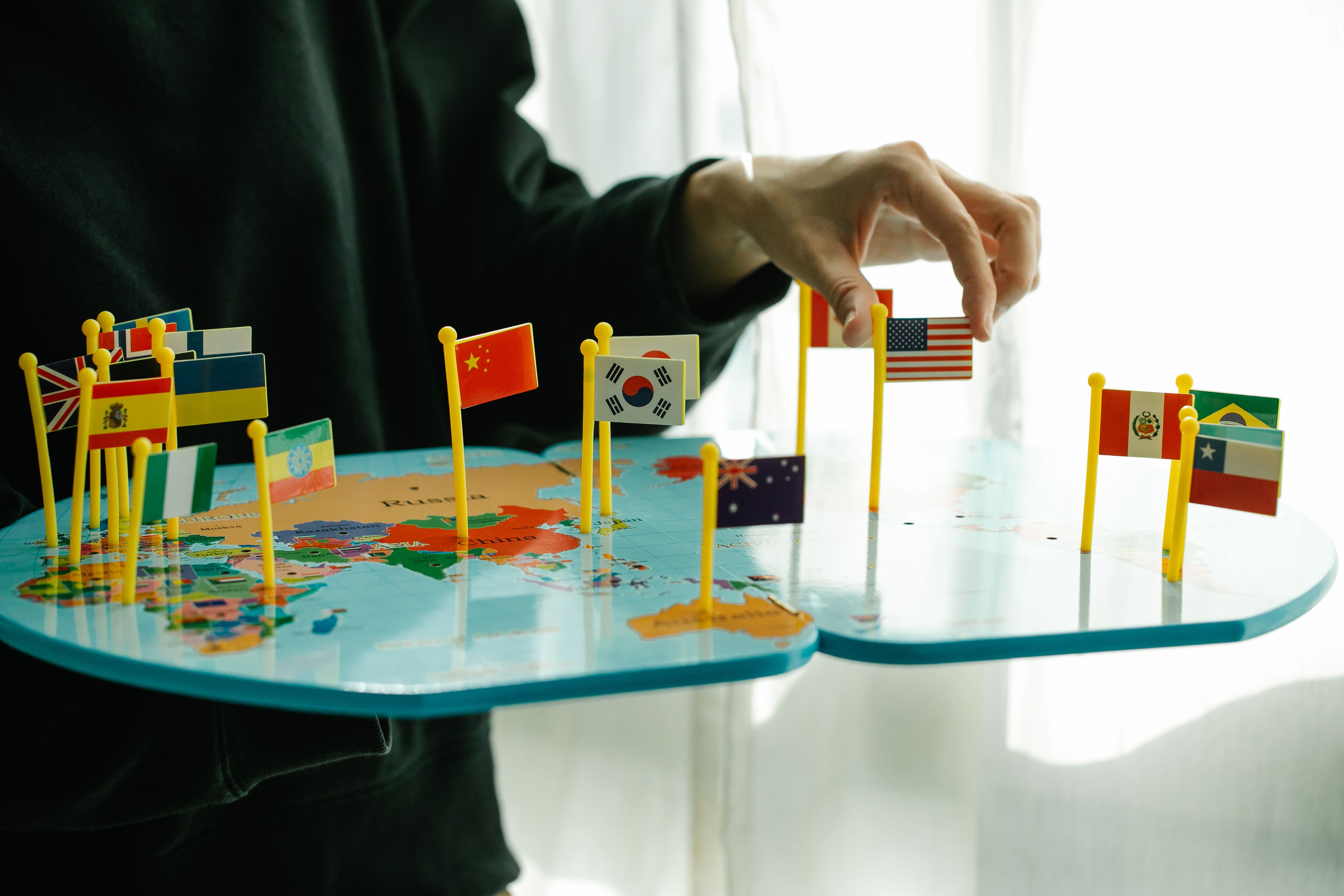
Choose a region you already know or have a reason to explore. It could be your home continent, a previous vacation destination, or somewhere you hope to visit.
If you know where Spain is, locate Portugal to the west and France to the north. If Brazil is your reference point, explore its neighboring countries before moving farther across South America.
Start with five or six countries. Notice their coastlines, borders, and positions relative to larger countries.
Personal interests can make the process easier. For example, our guide to traveling to Iceland for the first time offers a useful reason to locate Iceland in the North Atlantic and examine its position relative to Greenland, Norway, and the British Isles.
Once you can identify the countries in one region without labels, move to the next.
2. Memorize Neighboring Countries and Geographic Landmarks
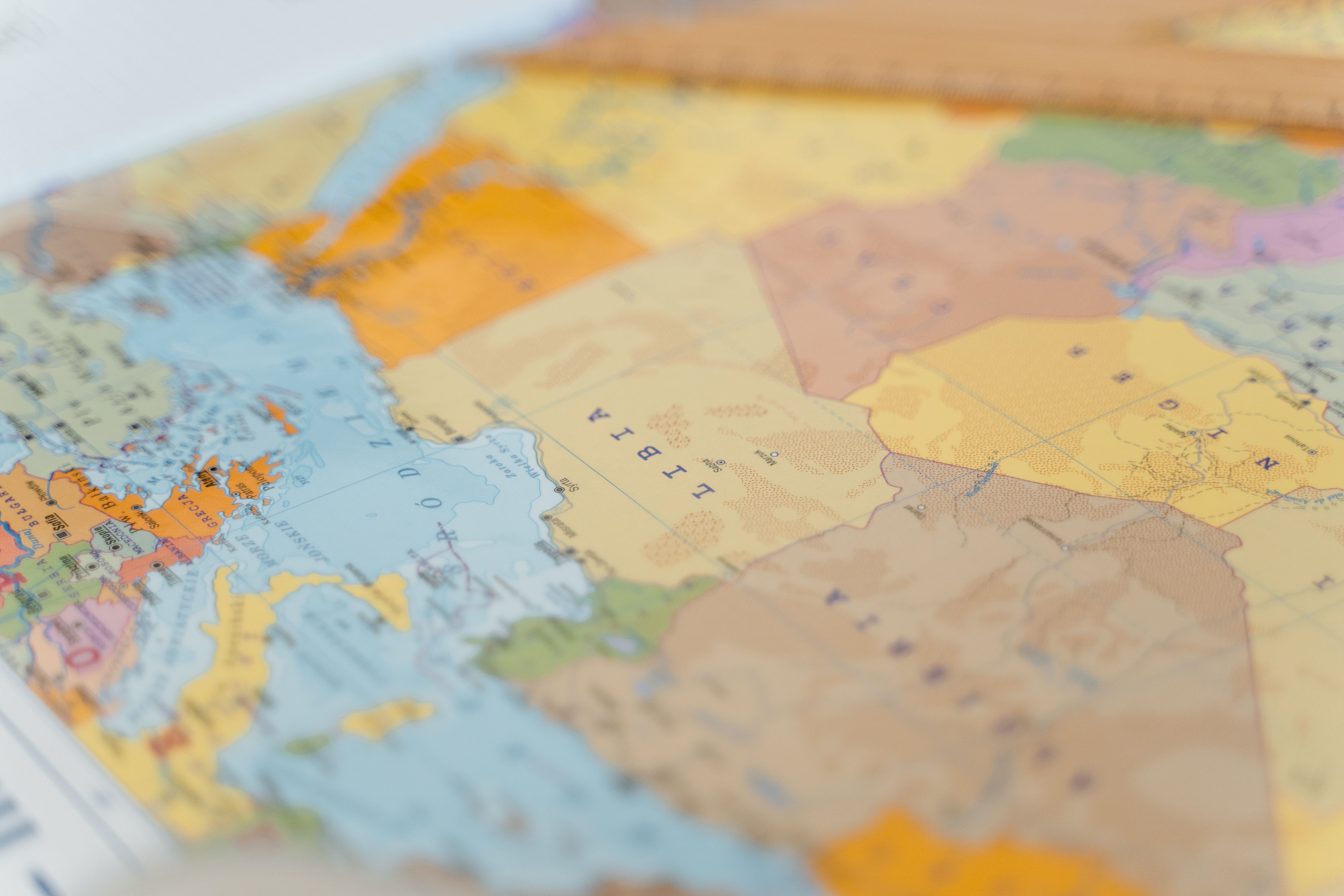
Recognizable shapes provide useful clues. Italy resembles a boot, while Chile forms a long, narrow strip along the western coast of South America. Other countries are easier to remember through their neighbors.
Uruguay lies between Brazil and Argentina, with a coastline on the Atlantic Ocean. Knowing those relationships helps you locate it without memorizing its exact outline.
The Baltic states provide another example. Estonia, Latvia, and Lithuania appear in that order from north to south along the eastern Baltic Sea.
Physical geography offers additional reference points. Mountain ranges, rivers, and coastlines often make borders easier to remember. If you want to explore the physical features behind different landscapes, our article on types of rocks and how they form provides useful background.
Try describing each country’s position in one short sentence. Portugal is west of Spain. Lithuania is south of Latvia. Simple geographic relationships are easier to recall during a map exercise.
3. Practice With a Countries of the World Quiz
After studying a region, test how many countries you can recall without a reference list.
For example, GeographyPin’s countries of the world quiz lets you enter country names and see correct answers appear on the map. Start with untimed practice so you can check each country’s location without pressure.
Pay attention to the countries you miss. You may recognize large nations immediately but struggle with smaller countries in Central America, the Caribbean, or the Pacific.
A quiz also helps reveal the difference between recognizing a country name and knowing its position on a map.
After each attempt, choose one unfamiliar region for your next practice session. A specific goal is more useful than repeating the entire quiz without reviewing your mistakes.
4. Review Countries You Forget With a Simple Map Exercise
When you miss a country, avoid memorizing its name alone. Look for a geographic detail that helps establish its location.
You can create a short reference list with three details:
- Country name
- One neighboring country or nearby body of water
- A distinctive geographic feature
For example, Paraguay is landlocked, borders Brazil and Argentina, and lies near the center of South America.
Return to the list after a day or two. Try to identify each country on a blank map before checking your notes.
Changing the map scale can also help. A close view reveals borders and neighboring countries, while a wider view shows their positions within a continent.
5. Connect World Geography With Travel, Sports, and Everyday Interests
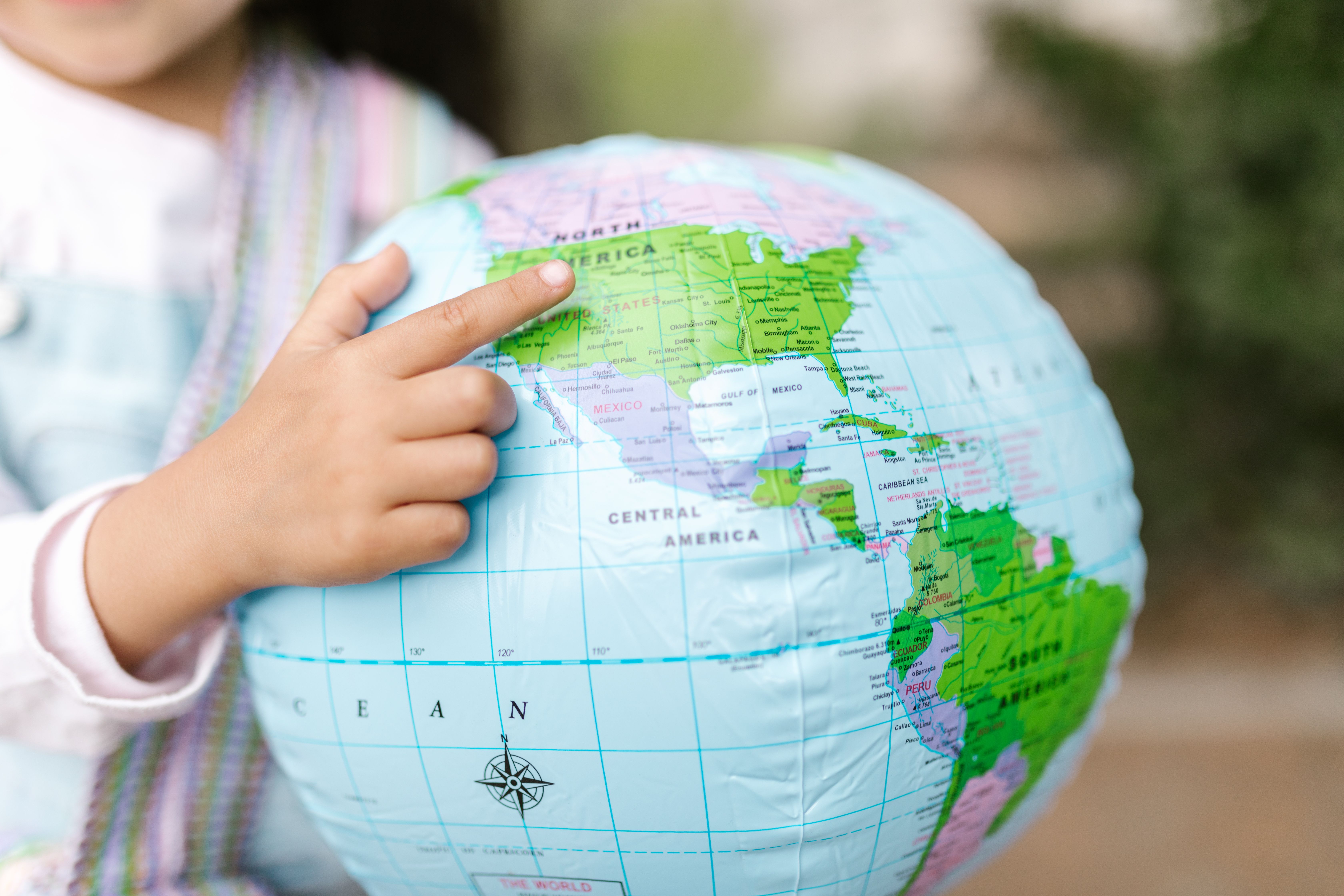
Geography becomes easier to remember when countries appear in activities you already enjoy.
If you follow international football, locate the countries participating in major tournaments. Before a vacation, examine the destination and its neighbors.
Food and cultural events provide similar opportunities. Our article about festivals around the world introduces celebrations in different countries that you can locate on a map.
Try asking a geographic question whenever a country catches your attention. Which nations share its borders? What sea lies nearby? How far is it from another familiar destination?
The next time that country appears in a news report, sports event, or travel video, try to locate it before opening a map.
With regular practice, your knowledge will expand beyond familiar country names. You will gradually recognize their positions, neighbors, and connections across the world.