
Dental implants offer long-lasting advantages that can significantly improve quality of life when compared to traditional methods such as dentures and bridges, which often necessitate regular replacements.
The American Dental Association’s overview of dental implants explains how implants are placed and restored.
If well cared for, dental implants can endure for a lifetime. Dentures, on the other hand, usually require replacement every 5-10 years, while bridges may last around 7-15 years at best.
The process of getting dental implants involves several stages: a consultation, potential bone grafting, the actual implant placement, and a healing phase, critical for proper integration with the jawbone.
Patients frequently describe a boost in confidence and general happiness following their dental implant procedure, a change that can positively influence both personal and work-related interactions.
Insurance may cover various expenses tied to dental implants, like diagnostics and the placement itself; hence, it’s wise for patients to examine their coverage thoroughly.
In Southlake, numerous dental practices present flexible financing solutions to make dental implants more budget-friendly, including in-house financing options and affordable third-party plans. Patients can also review this guide to dental implant financing options.
To ensure the longevity of dental implants, proper care is essential. Patients should adopt daily hygiene practices and consult their dentist whenever they notice any unusual symptoms around the implant area.
Why Choose Dental Implants Over Traditional Options?
Patients considering tooth replacement have a significant choice to make. Selecting between dental implants and traditional solutions like dentures or bridges can greatly affect one’s quality of life. Although dental implants require more intensive initial procedures, they come with numerous advantages that overshadow those tied to standard restorative methods. Experts consistently underscore the importance of considering long-term impacts when making this decision.
Comparing Longevity: How Implants Outlast Dentures and Bridges
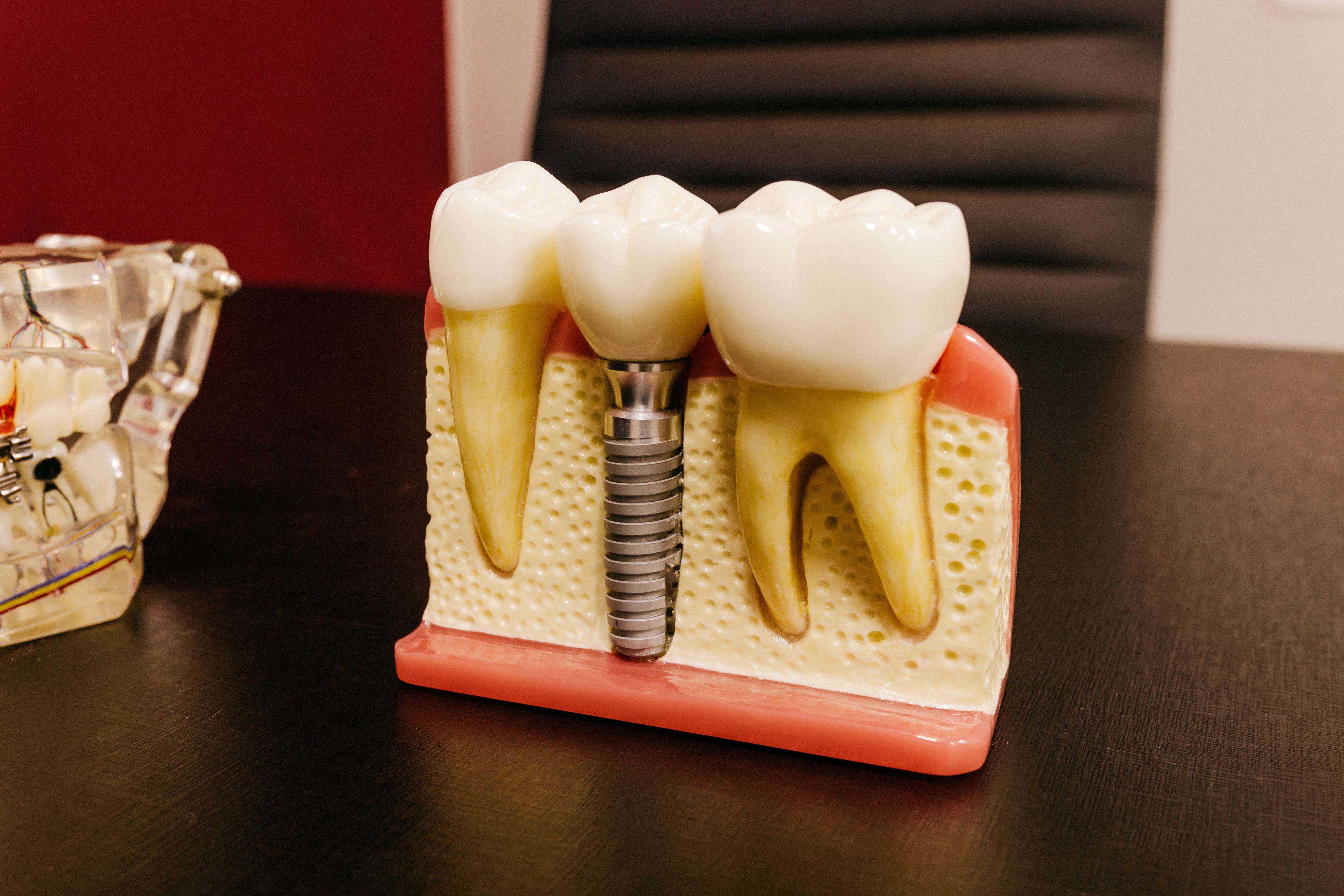
When it comes to durability, dental implants greatly surpass conventional dentures and bridges. Studies reveal that well-maintained implants can last a lifetime, while dentures usually must be replaced every 5-10 years, and bridges enjoy a lifespan of about 7-15 years, influenced by daily wear. This difference raises a compelling question: why settle for temporary solutions when permanent alternatives exist?
The materials utilized in implants are specifically designed to endure the everyday demands of biting and chewing. Titanium posts integrate seamlessly with the jawbone, forming a robust foundation that mimics natural tooth roots. By contrast, dentures and bridges often bring discomfort, slippage, and reliance on adhesives, diminishing the overall user experience.
- Implants can remain viable for decades, frequently a lifetime.
- Dentures necessitate a routine of adjustments and eventual replacements.
- Bridges can compromise the health of surrounding teeth and involve greater maintenance efforts.
Understanding the Surgical Process: What to Expect During Implant Placement
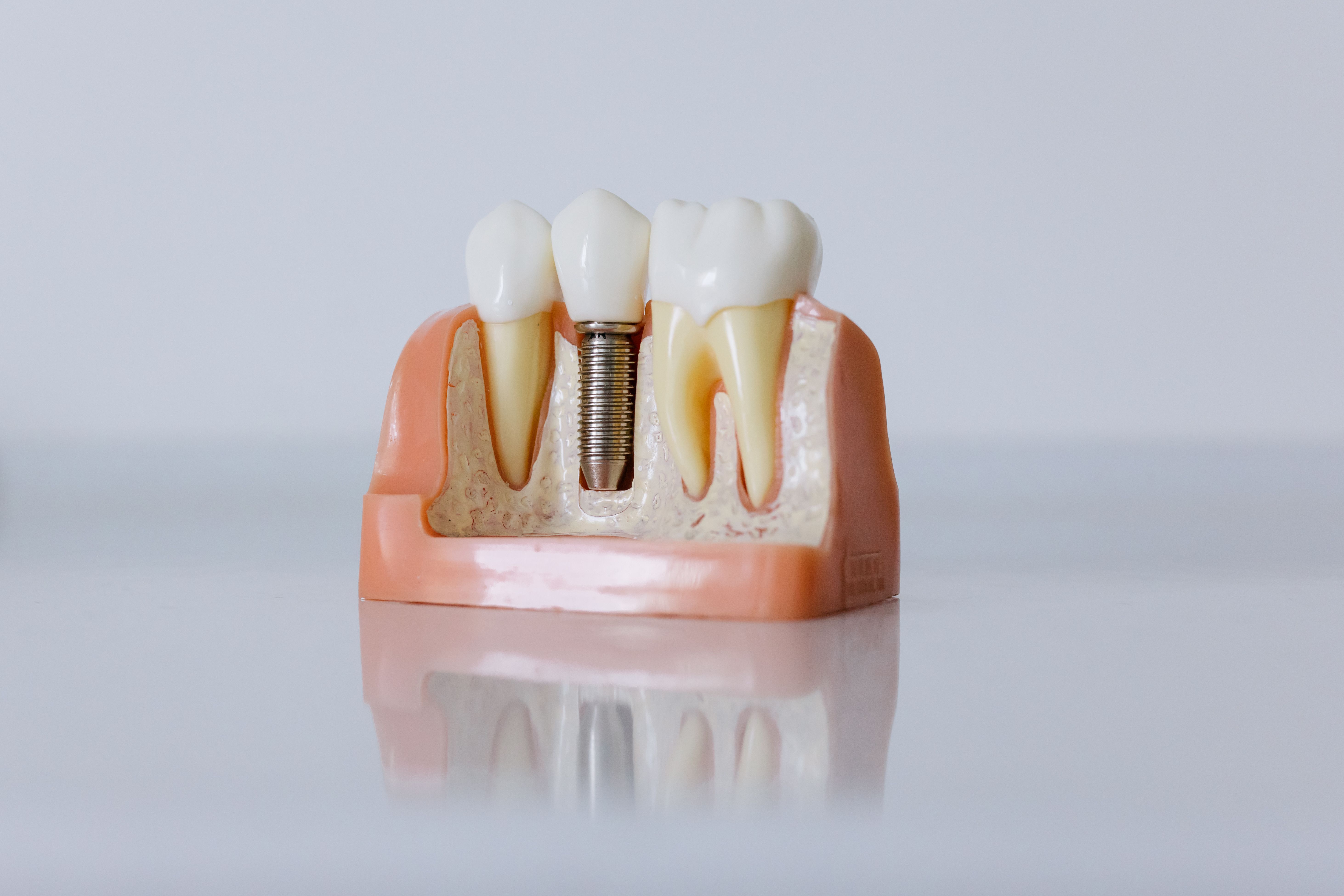
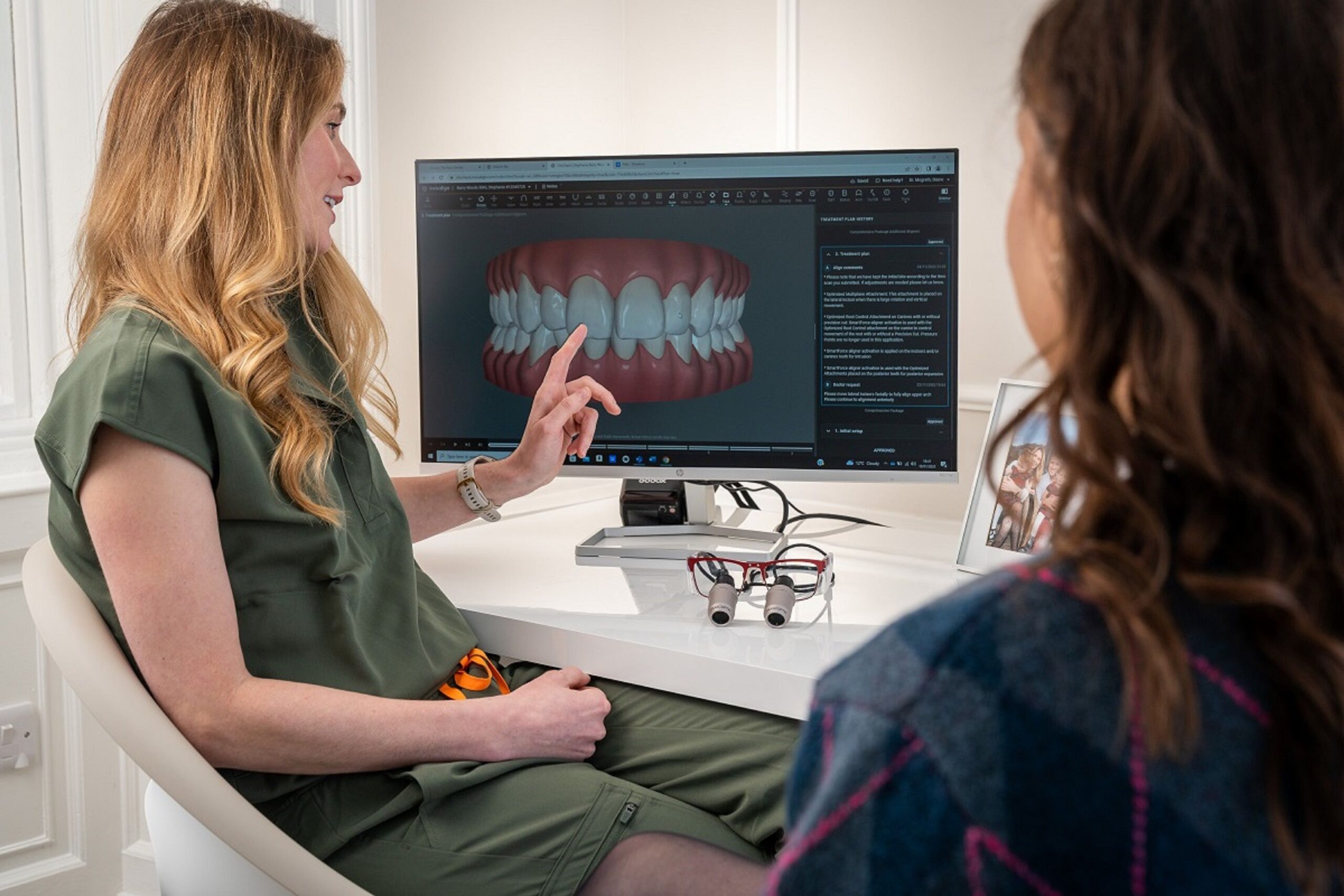
The surgical insertion of dental implants might seem intimidating, but familiarizing oneself with the process can ease concerns. An initial consultation with a dental implants provider in Southlake helps determine candidacy. Evaluations such as X-rays or scans typically assess the density of the bone. If augmentation of the jawbone is necessary, options like bone grafting will be reviewed.
When the time arrives for the implant procedure, patients are generally given local anesthesia or sedation based on their comfort levels. The surgery itself entails a small incision revealing the jawbone, followed by a precise drilling of a hole for the implant. Once placed, the healing process initiates, which can take several months as bone tissue merges with the titanium post. This stage is crucial – the foundation formed is what guarantees the implants’ longevity. Here’s a concise breakdown of the surgical timeline:
- Consultation and evaluation.
- Possible additional procedures (such as grafting).
- Surgical placement of the implant.
- Healing and integration period.
- Placement of the crown following osseointegration.
Grasping these stages can help patients prepare both mentally and physically for the journey ahead.
Real Impact: Powerful Stories from Southlake Residents
Listening to personal experiences can be incredibly moving. Southlake residents who have undergone dental implant procedures frequently share compelling stories that highlight striking transformations. The accounts surrounding these procedures illustrate not just cosmetic improvements but also significant enhancements in self-esteem and overall joy.
Client Spotlights: Before and After Dental Implant Experiences

Consider the case of a local teacher who faced challenges with ill-fitting dentures. Over time, those tools of everyday life turned from a help to a hindrance. Sharing meals with her students or laughing during faculty meetings transformed into sources of anxiety. Upon choosing dental implants, her experience shifted dramatically – comfort increased, and with it, her presence in the classroom thrived.
Numerous similar accounts exist. Many residents of Southlake reflect on how their implants not only revived their smiles but also reignited their passion for life. Before-and-after photos stand as powerful testimonials to the astonishing transformations made possible through this intervention. Patients frequently report feeling:
- Less self-conscious in social settings.
- Optimistic about their appearance.
- Excited to try a wider array of foods.
How Implants Rebuild Confidence in Personal and Professional Life
Numerous clients report a noticeable boost in confidence following their dental implant procedures. Take, for instance, the story of a young professional who believed his smile was holding back his career. After receiving the implants, he described a newfound confidence, enabling him to network and attend conferences with ease. The self-assurance stemming from a full and natural-looking smile impacts numerous aspects of life.
“Dental implants restored not just my smile but my entire outlook on life.” – A Southlake resident
This sentiment resonates with many patients, reinforcing the notion that the benefits of a beautiful smile extend well beyond mere aesthetics. With a restored function and appearance comes enhanced self-esteem, fostering improved social interactions and creating new professional opportunities.
Working through the Financial Aspects of Dental Implants
Financial factors can often influence a patient’s decision-making process regarding dental implants. While some might view the upfront costs as daunting, grasping the financial landscape is essential for clarity. Investing in oral health is critical for overall well-being. Here, the emphasis on long-term value is key.
Insurance Insights: Coverage for Dental Implants Explained
One major factor impacting financial decisions is insurance coverage. A growing number of plans now accommodate dental implants, reflecting their recognition as a long-lasting restorative choice. Patients are encouraged to thoroughly investigate their policies. While coverage can vary greatly, patients should generally expect insurance to include:
- Diagnoses and evaluations.
- Bone grafts if required.
- Partial or full coverage for the placement procedure.
Sometimes, partial coverage options may exist, which can help patients substantially decrease their out-of-pocket expenses. Consulting with knowledgeable office personnel can facilitate navigation through these financial options effectively.
Understanding Payment Plans and Financing Options Available in Southlake
To further alleviate financial concerns, many practices in Southlake offer a range of flexible financing solutions. Monthly payment options can expand access to dental implants for a wider demographic. Here are some commonly available methods:
- In-house financing with customized payment plans.
- Options offered by third-party financiers at low-interest rates.
- Flexible deposit requirements that support staggered payments.
Patients should feel empowered to ask their providers about financing possibilities. Open discussions concerning payment strategies can relieve stress and help more individuals pursue the advantages of dental implants.
Maintaining Your Dental Implants for Long-Lasting Results
Even after the placement of dental implants, the journey doesn’t just stop there. Proper upkeep is vital for maximizing both longevity and function. Professionals recommend establishing a consistent care routine early in the process to guarantee reliability and satisfaction with the implants.
Best Practices: Daily Care Tips for Dental Implants
Maintaining dental implants involves several straightforward yet critical practices. Regular upkeep can prevent complications and ensure that the implants remain visually appealing. A few essential daily care tips include:
- Brush twice daily using a soft-bristle toothbrush.
- Opt for non-abrasive toothpaste to safeguard the crown.
- Floss every day to support gum health around the implant.
- Use an antibacterial mouthwash to help mitigate plaque buildup.
These simple practices can contribute to the functionality and aesthetics of the implants. Developing an easy-to-follow routine lays the groundwork for long-lasting success.
When to Consult Your Dentist: Signs You Need Professional Attention

Despite diligent care, situations may arise that warrant professional input. Regular check-ups are a crucial component of maintaining dental health, yet being aware of specific warning signs is equally important. Patients should contact their dentist if they experience:
- Persistent pain or discomfort surrounding the implant area.
- Swelling or indications of infection, such as pus.
- Shifts in the fit of the implant or crown.
- Unusual sensitivity in adjacent teeth.
Proactively maintaining dental health yields rewards in preserving both the implants and overall oral well-being.
The journey towards dental implants is meaningful, rewarding, and significant. Through informed choices, committed aftercare, and financial insight, patients can reap all the benefits associated with a revitalized smile. Southlake residents keen on exploring this option should reach out to trusted professionals in the field. The potential for transformative change is undoubtedly within reach.
FAQ
What factors determine eligibility for dental implants?
Several factors influence eligibility for dental implants, including one’s overall health, bone density, and oral hygiene. Patients with sufficient jawbone structure generally make the best candidates, though those requiring bone grafts can still seek implants with appropriate treatment.
How long does the healing process take after implant surgery?
Typically, the healing phase spans several months. Osseointegration, which is when the implant fuses with the jawbone, generally takes three to six months, varying with individual health and other personal conditions.
Are there any lifestyle changes recommended after getting implants?
Following surgery, it’s advisable for patients to steer clear of hard or sticky foods during the early healing period. Maintaining a balanced diet can support recovery, while regular dental visits ensure proper monitoring of implant health.
Can dental implants fail, and what causes this?
Though dental implants have a high success rate, failures can occur due to factors like infection, insufficient bone integration, or excessive pressure applied to the implant. Routine check-ups can help identify and address problems early on effectively.
What types of dental implants are available?
There are various types of implants, including endosteal and subperiosteal implants, each designed for distinct patient needs. Endosteal implants are the most prevalent, intended for placement directly within the jawbone. In contrast, subperiosteal implants are positioned beneath the gum but above the jawbone.
How do dental implants affect surrounding teeth?
Dental implants benefit adjacent teeth by relieving pressure and instability linked to missing teeth. Unlike bridges, they do not exert adverse effects on surrounding teeth, thus preserving their structure and health over time.
What role do dentists play after implant placement?
Following placement, dentists play a vital role in monitoring the health of the implants and ensuring appropriate healing. Regular check-ups facilitate ongoing evaluations, provide maintenance tips, and enable necessary adjustments.
Can anyone with missing teeth consider dental implants?
Most individuals with missing teeth are candidates for dental implants, but a comprehensive consultation is required. Factors such as overall health and hygiene will guide the best course of action tailored to each patient’s unique circumstances.