Yes. A celiac genetic test looks for inherited HLA gene variants, so you do not need to eat gluten before a blood sample or cheek swab. That makes it different from the antibody blood tests and intestinal biopsy commonly used to diagnose celiac disease, which can become less reliable after someone stops eating gluten.
Why this test differs from antibody testing
Genetic testing checks for HLA-DQ2 and HLA-DQ8 variants associated with celiac disease. Since these are inherited, your current diet does not change whether you carry them. An at-home celiac genetic test may offer a way to check for these variants without first reintroducing gluten; discuss what the specific test covers and how to interpret it with a healthcare professional.
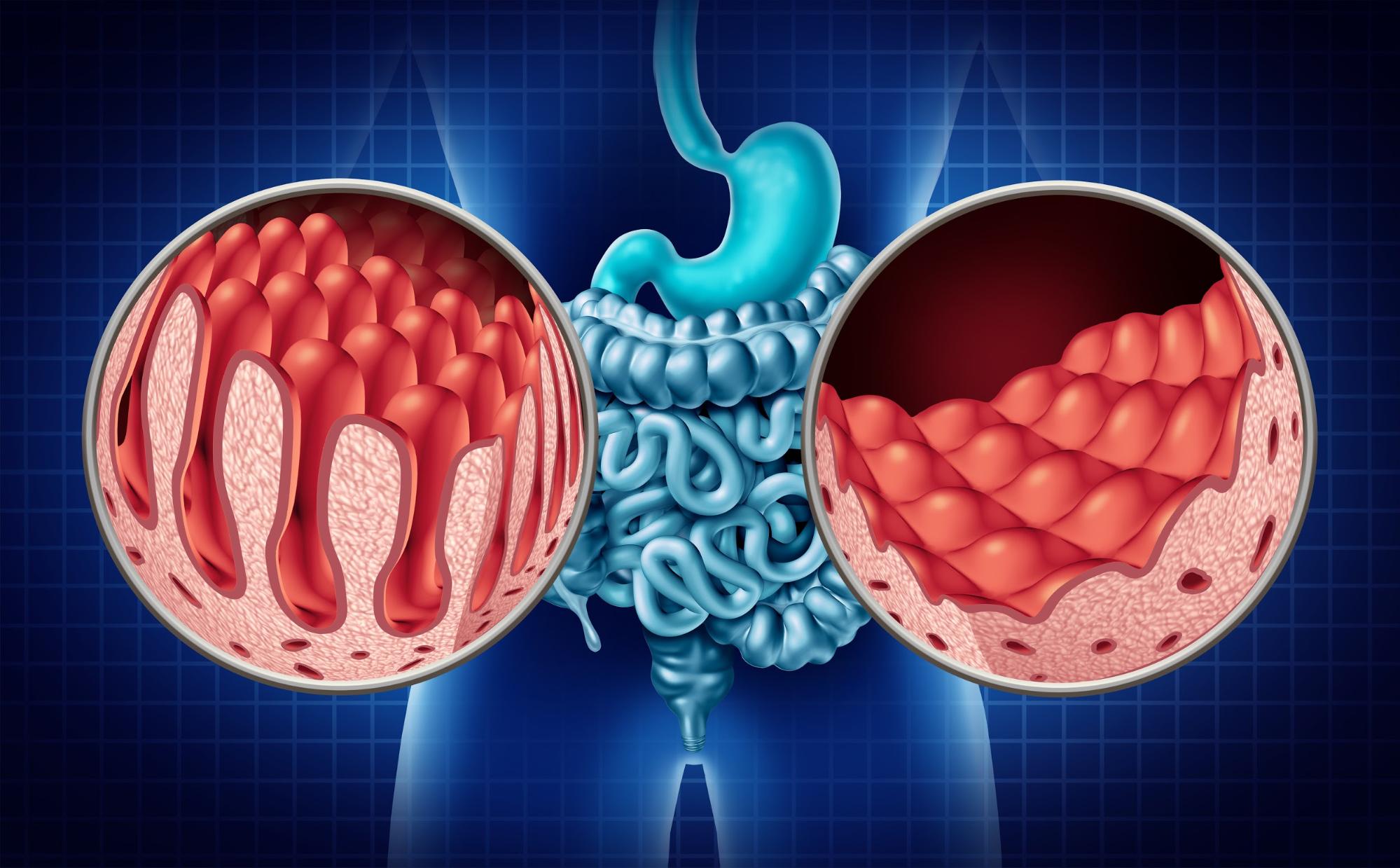
The catch is that a positive result is not a diagnosis. These gene variants are common, and most people who carry them never develop celiac disease. A negative result makes celiac disease very unlikely, although the result should still be interpreted in context, especially if symptoms or prior test results point in another direction. The National Institute of Diabetes and Digestive and Kidney Diseases’ overview of celiac diagnosis explains that genetic testing can help rule out the disease, while a positive result may require other tests.
A positive gene result answers only part of the question
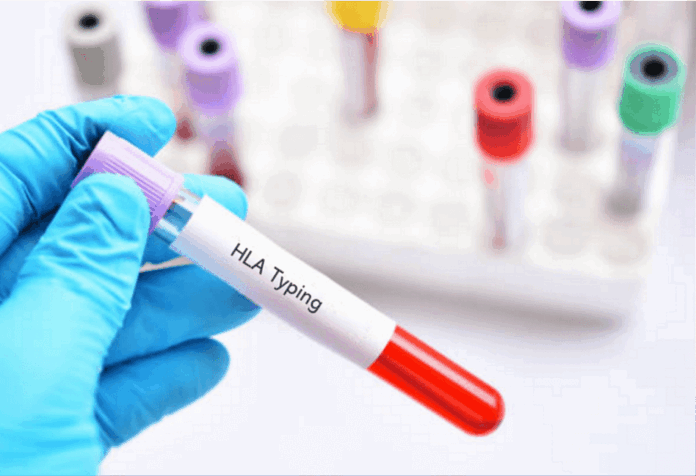
Think of HLA testing as a useful exclusion tool, not a shortcut to confirmation. If you carry a compatible variant, it means celiac disease is possible, not that gluten is harming your intestine. Diagnosis usually relies on celiac-specific blood tests and, when indicated, small-intestine biopsies. For accurate antibody testing, people generally need to be eating gluten.
This distinction matters if you are considering a lifelong gluten-free diet. I would not treat a positive genetic result as permission to self-diagnose: it can create certainty where the test has only shown susceptibility. A clinician can weigh symptoms, family history, prior results, and whether further testing is appropriate. If access is a hurdle, the site’s guide to online medical consultation outlines one way to connect with a health professional.
Already gluten-free? Don’t restart it on your own
If you have already cut out gluten, genetic testing may help your clinician decide whether celiac disease is unlikely enough to rule out. If the result is positive, it cannot confirm the condition; a specialist may discuss a supervised gluten challenge followed by antibody testing or biopsy. The UK National Institute for Health and Care Excellence guidance advises people who have restricted gluten to seek specialist advice rather than attempting diagnosis from a diet change alone.
So, yes: you can take the genetic test without eating gluten. Just keep its role narrow. It can help answer whether celiac disease is very unlikely; it cannot, by itself, tell you that you have celiac disease or whether you should avoid gluten for life.