
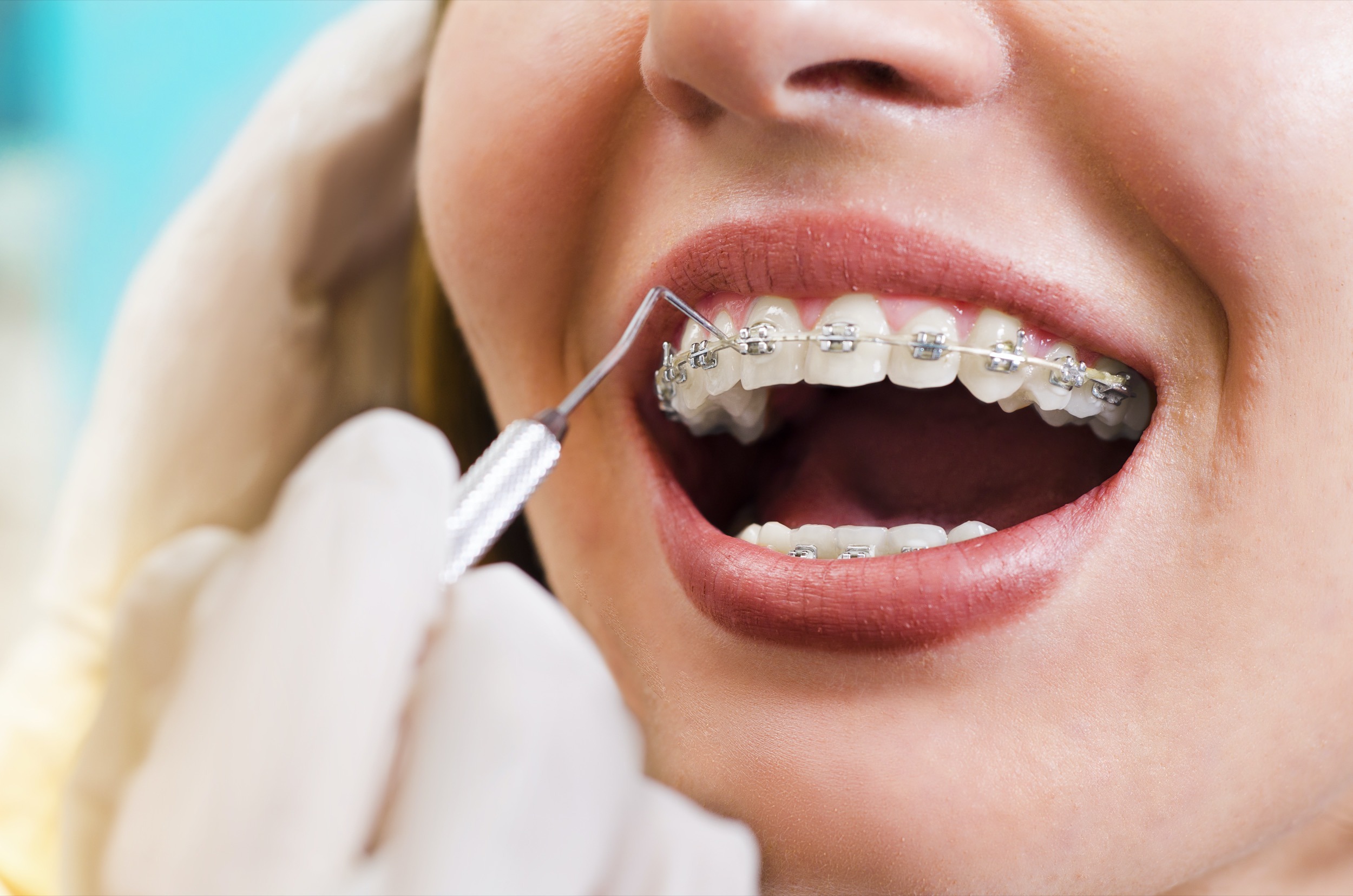
Choosing orthodontic treatment is a meaningful step toward better oral health and confidence. Whether you are considering braces for yourself or your child, understanding how fixed braces work, what they cost, and what the process looks like can make the decision far less overwhelming.
Fixed braces remain one of the most reliable and widely used solutions for correcting misaligned teeth and bite issues. Unlike removable options, fixed braces stay attached to the teeth, allowing for precise, continuous adjustments. This makes them especially effective for complex dental problems.
Let’s break down everything you should know, from benefits to costs and treatment steps, in a clear and practical way.
What Are Fixed Braces and Who Needs Them?
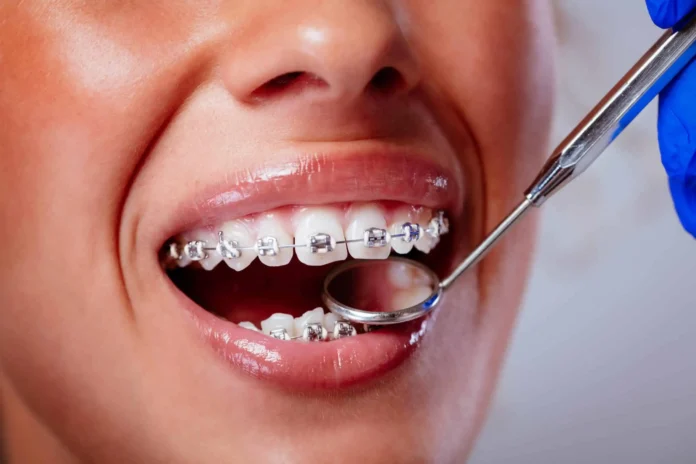
Fixed braces are orthodontic appliances made of brackets and wires that are bonded to your teeth and gradually move them into alignment. They are commonly used for both children and adults dealing with crooked teeth, overcrowding, or bite issues.
Fixed braces are particularly recommended when:
- Teeth require significant movement
- Jaw alignment needs correction
- Long-term stability is a priority
They apply constant pressure, which allows for more controlled and predictable tooth movement compared to removable aligners.
This consistency is one of the main reasons orthodontists still consider them the gold standard for complex cases.
Costs of Fixed Braces for Adults and Children
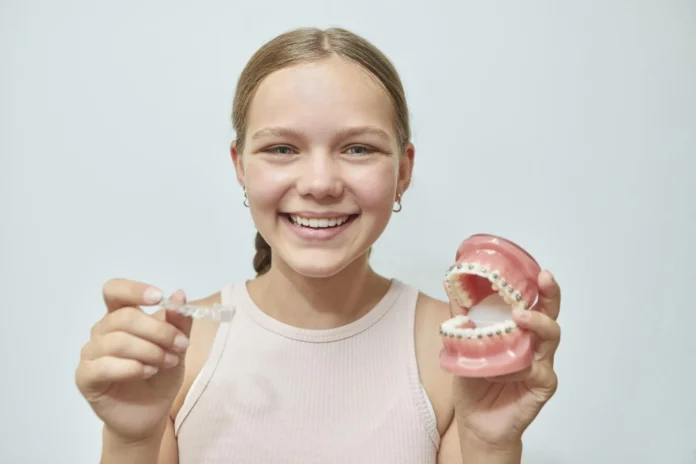
Prices can vary widely depending on complexity, location, and the type of braces used.
Typical Cost Breakdown
| Patient Type | Average Cost Range |
| Children | $3,000 – $7,500 |
| Adults | $3,000 – $10,000+ |
According to a 2025 orthodontic pricing overview, most treatments fall between $2,750 and $10,000, depending on the case and brace type. Children’s treatments tend to be slightly more affordable, while adult treatments may cost more due to longer duration or prior dental work.
Additional cost factors include:
- Type of braces (metal, ceramic, lingual)
- Treatment duration
- Insurance coverage
- Follow-up care like retainers
After treatment, retainers are essential and can cost an additional $100–$500 .
Benefits of Fixed Braces for All Ages
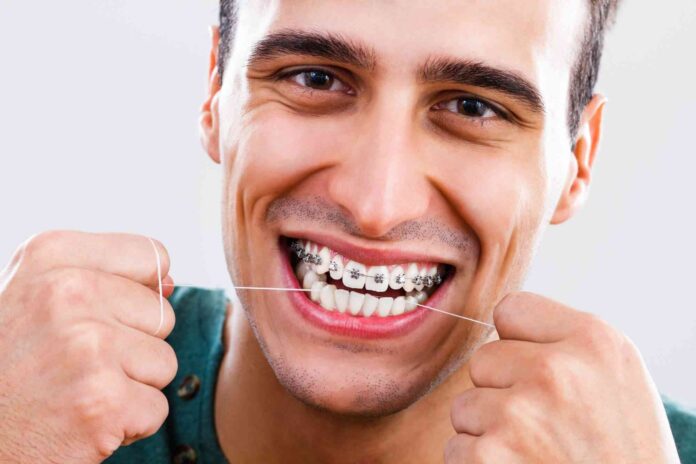
Fixed braces are not just about aesthetics. They offer real, long-term health benefits that go beyond a straight smile.
Key advantages include:
- Improved bite and chewing efficiency
- Easier cleaning and reduced risk of cavities
- Better speech in some cases
- Long-lasting results with proper retention
According to orthodontic research summaries, braces can significantly improve oral function and overall dental health when properly managed .
Did you know?
- Adults now make up a growing percentage of orthodontic patients
- Early treatment in children can guide jaw development and prevent future complications
This means it is never too early or too late to benefit from fixed braces.
Step-by-Step Treatment Process Explained
Understanding the journey can make the experience feel much more manageable. Fixed braces treatment follows a structured process.
- Initial Consultation – Your orthodontist evaluates your teeth, takes X-rays, and creates a personalized plan.
- Braces Placement – Brackets are bonded to your teeth, and a wire is attached to begin the movement process.
- Adjustment Visits – You will visit your orthodontist every few weeks for tightening and progress checks.
- Active Treatment Phase – Teeth gradually shift into position over 12 to 24 months on average.
- Retention Phase – After braces are removed, retainers help maintain results and prevent relapse.
Consistency in attending appointments and maintaining oral hygiene plays a major role in treatment success.
What to Expect During Treatment
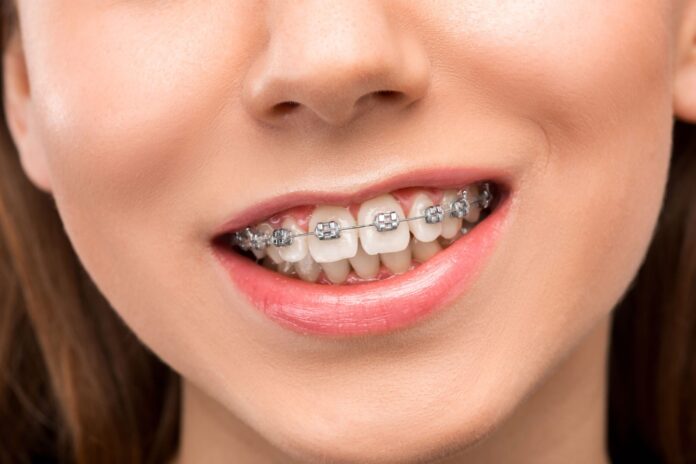
It is natural to wonder what daily life looks like with fixed braces. While there is an adjustment period, most people adapt quickly.
You may experience:
- Mild discomfort after adjustments
- Temporary speech changes
- Dietary restrictions (avoid hard or sticky foods)
Good oral hygiene becomes essential. Brushing after meals and using interdental brushes can help prevent plaque buildup.
Although fixed braces are visible, modern designs are smaller and more comfortable than older versions. Many patients find that the results are well worth the temporary inconvenience.
Conclusion
Fixed braces remain one of the most effective orthodontic solutions for both children and adults. While the cost and commitment may seem significant, the long-term benefits for oral health, confidence, and function are substantial.
By understanding the process, costs, and expectations, you can approach treatment with clarity and confidence. Whether you are planning for your child or considering braces as an adult, the right information makes all the difference.