
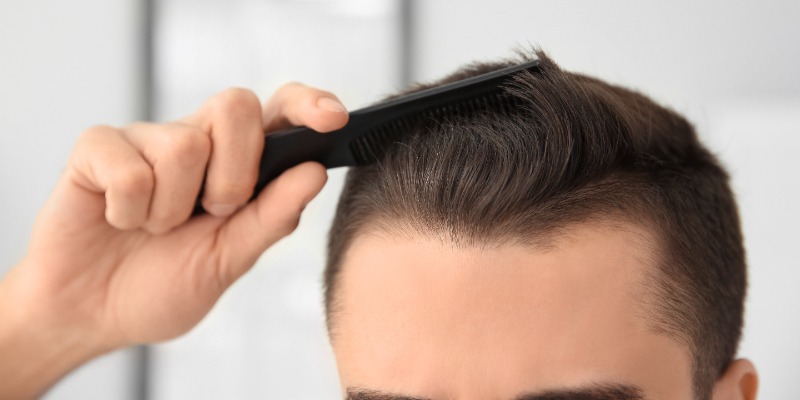
Choosing the right solution for thinning hair can feel overwhelming. Shelves are packed with serums, supplements, and treatments all promising thicker, fuller hair. But not all products deliver real results. Understanding what works, what doesn’t, and why is essential before spending your money.
This guide breaks down the science, marketing myths, and practical tips behind hair growth solutions. By the end, you’ll have a clearer sense of what your hair actually needs and how to choose products that align with both your goals and evidence-based care.
Understanding What Hair Growth Products Really Do
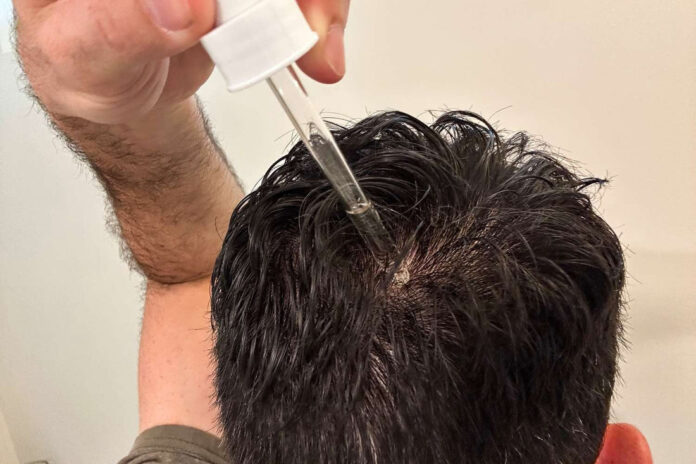
Before buying anything, it helps to reset expectations. Most products don’t magically create new hair overnight. Instead, they support the hair growth cycle or slow hair loss.
Many popular formulas focus on:
- Stimulating follicles
- Improving scalp health
- Strengthening existing strands
Clinically proven treatments are limited. For example, minoxidil is widely recognized as effective for many people and works by improving blood flow and extending the hair growth phase. However, even if it doesn’t work for everyone and requires consistent use.
Important: Many cosmetic products improve appearance rather than actual regrowth. Knowing this distinction helps avoid unrealistic expectations.
Where to Find Reliable Hair Growth Products

With so many options online, choosing trustworthy hair growth products matters just as much as choosing the product itself. High-quality formulations, proper ingredient transparency, and regulatory compliance should always be top priorities.
Look for:
- Clearly listed active ingredients
- Clinical backing or dermatological input
- Transparent sourcing and manufacturing
This step alone can filter out a large portion of ineffective or misleading products.
Key Ingredients
Not all ingredients are created equal. Some have strong evidence, while others are mostly hype.
Evidence-backed ingredients
- Minoxidil: Helps stimulate follicles and is FDA-approved for hair growth
- Finasteride: Reduces DHT, a hormone linked to hair loss
Common but less proven ingredients
- Biotin: Helpful mainly if you’re deficient, otherwise limited evidence
- Collagen and vitamins: May support hair health but unclear impact on regrowth
| Ingredient | Proven Effect | Best For |
| Minoxidil | Strong | Pattern hair loss |
| Finasteride | Strong | Hormonal hair loss (men) |
| Biotin | Limited | Deficiency-related thinning |
| Herbal extracts | Variable | Scalp health support |
Understanding this difference prevents wasting money on trendy but ineffective solutions.
How to Match Products to Your Hair Loss Type

Hair loss is not one-size-fits-all. The cause determines what will actually work.
Common causes include:
- Genetics (androgenetic alopecia)
- Nutritional deficiencies
- Stress or hormonal imbalance
- Medical conditions
For example, genetic hair loss often responds best to treatments like minoxidil or DHT blockers. On the other hand, deficiency-related hair loss may improve with targeted supplementation.
In many cases, hair loss has multiple causes at once, making combination approaches more effective.
If you’re unsure, consulting a professional can save time and prevent trial-and-error frustration.
What Marketing Doesn’t Tell You
The beauty industry thrives on bold claims, but science tells a more nuanced story.
Many products:
- Improve shine and thickness temporarily
- Reduce breakage rather than promote growth
- Rely on ingredients with weak clinical evidence
For example, biotin is widely marketed for hair growth, yet research shows little benefit unless a deficiency exists. Similarly, some serums support scalp health but don’t directly regrow hair.
Consistency also matters more than most people expect. Even effective treatments may take 3 to 6 months before visible results appear.
Understanding these realities helps you stay patient and avoid switching products too quickly.
Practical Tips Before You Buy

Making a smart purchase comes down to a few practical checks.
- Identify your hair loss type first
- Prioritize clinically supported ingredients
- Avoid “miracle cure” claims
- Check for realistic timelines
- Be consistent with usage
Also, consider lifestyle factors. Diet, stress, and overall health play a major role in hair quality. Even the best product cannot fully compensate for poor nutrition or chronic stress.
Taking a holistic approach often leads to better and more sustainable results.
Final Perspective
Hair growth is a gradual process, not a quick fix. The best results come from combining realistic expectations with informed choices.
By focusing on evidence-based ingredients, trustworthy sources, and your specific hair needs, you can cut through the noise and invest in solutions that truly make a difference.