Getting dressed should not feel like a daily decision marathon. Most women want outfits that feel pulled together without requiring an entirely new wardrobe for every occasion.
The key is learning how to build flexible looks that move smoothly between structured workdays and relaxed weekends.
When outfits are based on smart layering, neutral anchors, and a few expressive pieces, dressing becomes easier and far more intuitive.
Instead of chasing trends, the most wearable outfit ideas focus on balance.
Comfortable silhouettes, thoughtful color choices, and pieces that mix well across settings allow you to repeat items without looking repetitive.
This guide breaks down how to approach women’s outfit ideas in a way that feels realistic, adaptable, and genuinely wearable, whether your week includes meetings, errands, or spontaneous plans.
Building a Workday Outfit That Feels Effortless

Work outfits work best when they follow a simple formula: structure plus comfort.
Tailored pieces provide polish, while softer fabrics prevent the look from feeling rigid or dated.
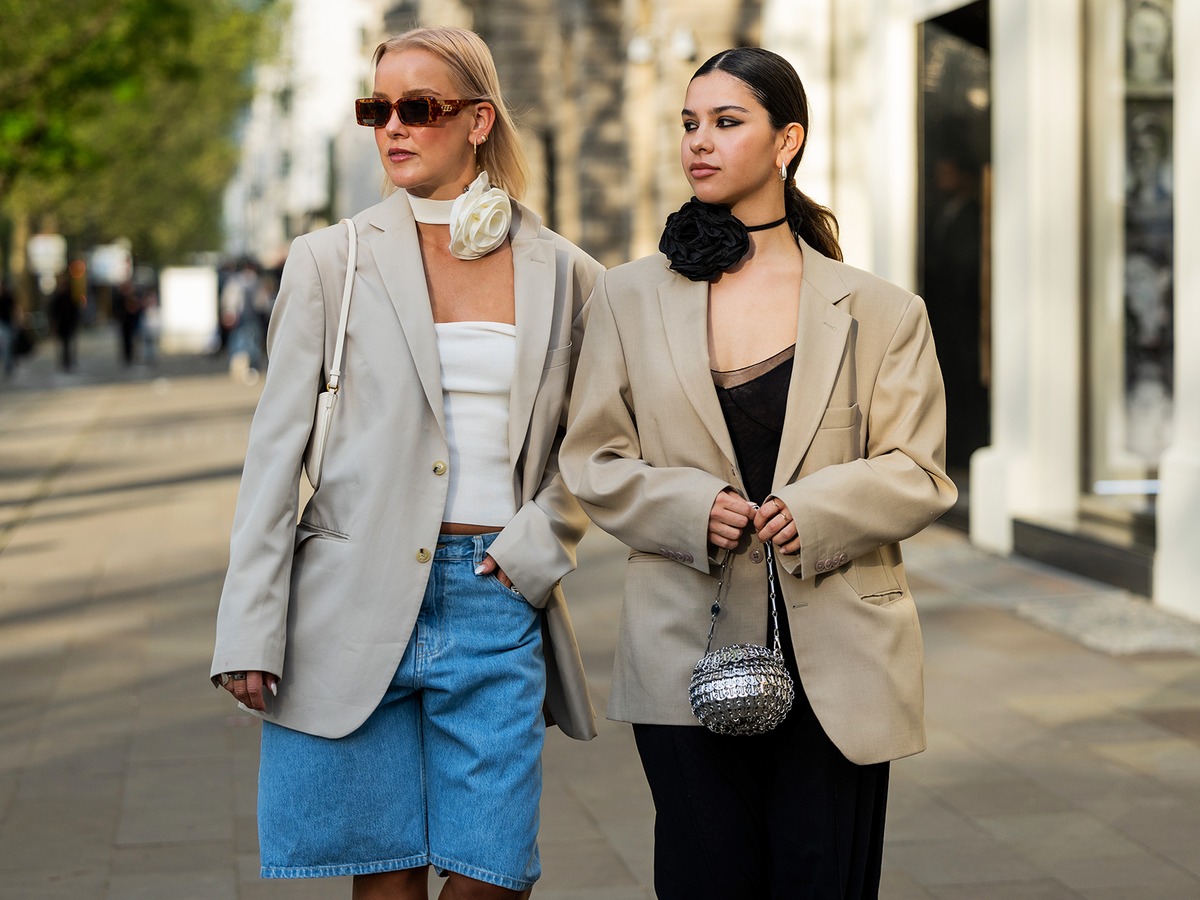
A well-fitted blazer, straight-leg trousers, or a midi skirt instantly sets a professional tone without demanding formality.
Color choice matters more than most people realize. Neutral bases like beige, charcoal, navy, or soft gray make outfits easier to repeat while still looking intentional.
This is also where thoughtful styling brands like Urban Palm Trees come into play.
Their relaxed yet refined aesthetic fits seamlessly into modern work wardrobes, especially for women who prefer clean lines.
Pairing a minimalist top with tailored bottoms and understated accessories creates outfits that feel current and confident, not overly corporate.
Small adjustments such as rolling sleeves, adding a belt, or switching footwear can shift the same outfit from desk-ready to evening-appropriate.
Weekend Outfits That Still Look Put Together
Weekend dressing often leans heavily into comfort, but that does not mean sacrificing style.
The most effective casual outfits are built around elevated basics that feel relaxed yet intentional.
Think soft denim, knit tops, oversized shirts, and comfortable footwear that still has structure.
Instead of defaulting to worn-out staples, focus on proportions.
A loose top works best with a more fitted bottom, while relaxed trousers pair well with a defined neckline or cropped jacket. Fabric choice matters too.
Natural materials like cotton, linen, and soft knits tend to drape better and wear more attractively over time.
Weekend outfits should feel easy, but they still benefit from cohesion. Keeping a consistent color palette helps pieces work together effortlessly.
When everything mixes naturally, you can get dressed quickly while still looking like you planned the outfit.
Core Wardrobe Pieces That Work Across Settings
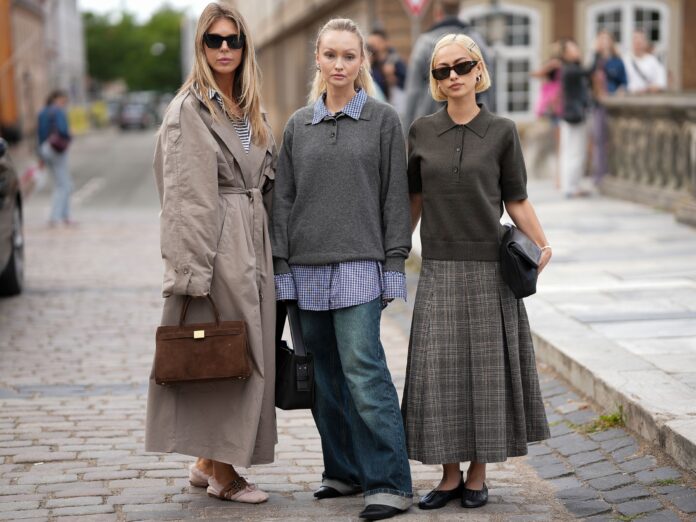
A versatile wardrobe relies on a small set of adaptable items rather than endless choices.
These core pieces form the foundation of both workday and weekend outfits.
- A tailored blazer that works with jeans as well as trousers
- Neutral knit tops that layer easily without bulk
- Straight or wide-leg trousers that feel polished but comfortable
- Quality denim in a classic wash
- Simple dresses that can be styled up or down
The value of these items lies in repetition. Wearing the same piece multiple ways is not a limitation, it is a styling advantage.
When your core wardrobe is strong, experimenting with accessories, shoes, or layers becomes much easier.
This approach reduces decision fatigue while keeping your outfits fresh.
How Color Palettes Simplify Outfit Planning
Choosing a consistent color palette is one of the most practical styling strategies.
When most of your wardrobe shares complementary tones, outfits practically assemble themselves.
This does not mean limiting yourself to neutrals only, but rather choosing a few accent colors that work well together.
A balanced palette might include two base neutrals, one warm tone, and one cool accent.
This structure allows flexibility without chaos.
Color coordination also makes layering more effective, especially when transitioning outfits between seasons.
Below is an example of how color planning can support both work and weekend looks:
| Base Neutrals | Accent Colors | Best Use |
| Beige, Gray | Olive, Soft Blue | Everyday layering |
| Black, White | Camel, Burgundy | Office-focused looks |
| Navy, Cream | Rust, Sage | Transitional outfits |
When colors work together naturally, outfits look intentional even when built quickly.
Layering Techniques That Add Versatility
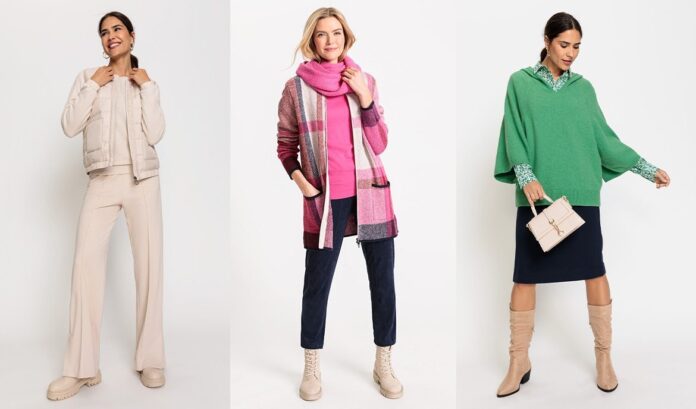
Layering is one of the most underused tools in women’s outfit planning. The right layers can completely change how an outfit feels without requiring new pieces.
Lightweight jackets, cardigans, vests, and structured overshirts add depth while serving a practical purpose.
For workdays, structured layers create authority and balance. A blazer over a soft top instantly sharpens the look.
On weekends, looser layers soften silhouettes and add ease. The trick is choosing layers that complement rather than overwhelm the base outfit.
A good rule of thumb is to vary textures. Pairing a smooth top with a knit layer or structured outerwear creates visual interest without clutter.
Thoughtful layering extends the lifespan of each outfit, making your wardrobe feel larger and more adaptable.
Shoes and Accessories That Change the Mood
Footwear and accessories are often what determine whether an outfit reads as professional or casual.
The same outfit can feel entirely different depending on what you pair it with. Clean sneakers, ankle boots, loafers, or minimal sandals each set a distinct tone.
Accessories should support the outfit rather than compete with it. Structured bags, jewelry, and simple belts tend to age better than statement-heavy pieces.
When accessories stay understated, outfits remain wearable across more situations.
A helpful principle is choosing one focal accessory per outfit. Whether it is a bag, pair of shoes, or piece of jewelry, keeping the rest simple maintains balance.
This approach keeps outfits feeling polished without appearing overstyled.
Why Fit Matters More Than Trends
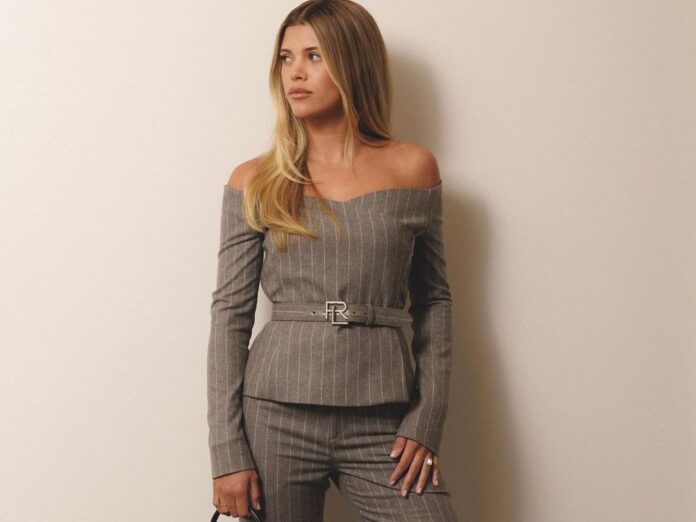
No styling trick works if the fit is off. Clothes that fit well automatically look more expensive and intentional, regardless of brand or trend.
Understanding your proportions allows you to choose silhouettes that flatter rather than follow fashion cycles blindly.
Well-fitting clothing moves naturally with your body, which improves both comfort and confidence.
This matters especially for outfits meant to last all day, from work responsibilities to evening plans.
Small tailoring adjustments can transform affordable pieces into wardrobe favorites.
Style Fact: Studies in fashion psychology show that well-fitted clothing improves perceived confidence and professionalism more than trend-driven styling choices.
When fit becomes the priority, trends become optional rather than necessary.
Creating Outfit Formulas You Can Rely On
The easiest way to simplify daily dressing is by developing outfit formulas.
These are repeatable combinations that work every time, adjusted slightly based on context or season.
For example, a fitted top, relaxed trousers, and a structured layer can function year-round with minor changes.
Outfit formulas reduce decision fatigue and help maintain consistency. Once you know what works, getting dressed becomes quicker and less stressful.
Over time, these formulas create a recognizable personal style rather than a collection of unrelated outfits.
Instead of chasing new ideas daily, refining a few reliable combinations leads to a wardrobe that feels intentional, wearable, and genuinely yours.
Final Thoughts
The most effective women’s outfit ideas are not about having more clothes. They are about choosing better combinations, prioritizing fit, and building flexibility into your wardrobe.
When outfits are designed to adapt between workdays and weekends, dressing becomes simpler and more enjoyable.
By focusing on core pieces, cohesive colors, thoughtful layering, and subtle accessories, you can create looks that feel effortless without sacrificing style.
A well-planned wardrobe works with your life, not against it, making every outfit feel like a natural extension of your day rather than a challenge to solve.