
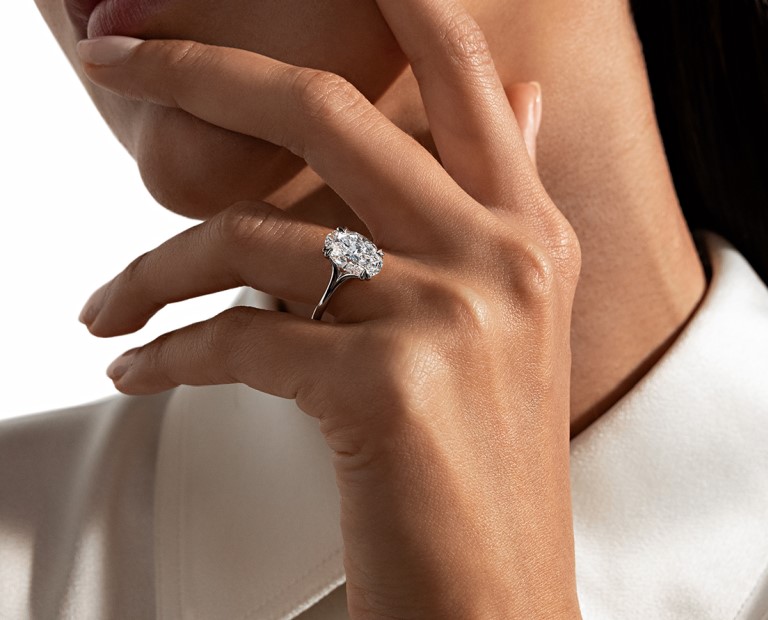
What was once viewed as a category outside of traditional luxury is now firmly positioned within it. Couples are no longer choosing lab-grown for practicality alone. They are choosing it for design, proportion, and the ability to shape a ring without compromise.
The fine jewelry landscape has shifted in recent years, and nowhere is that change more visible than in the rise of lab diamond engagement rings
As expectations evolve, so does the definition of what makes an engagement ring refined. Craftsmanship, structure, and balance matter more than origin alone. This is where modern engagement rings have begun to reflect a new perspective.
A Design-First Approach
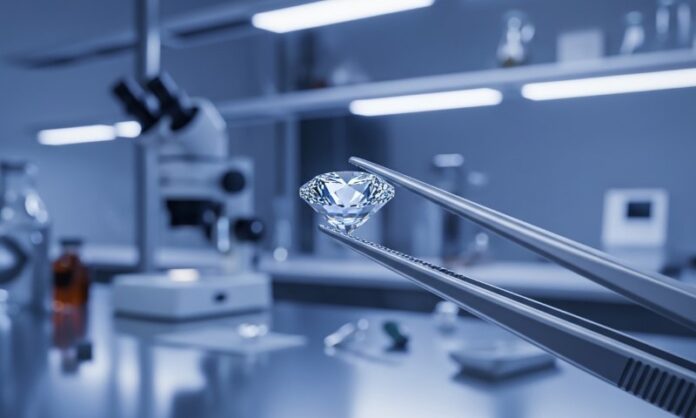
The growth of the lab-grown engagement ring category has encouraged designers to rethink structure and proportion. When constraints around access and scale are reduced, the emphasis shifts toward architecture. The relationship between the center diamond and the setting becomes more deliberate. Silhouettes become more disciplined.
Jean Dousset has been at the forefront of this movement. Working exclusively with lab-grown diamonds, the brand applies heritage-informed craftsmanship to a modern category. The result is a collection defined by structure rather than excess.
The Elle Solitaire Engagement Ring reflects this philosophy clearly. Its double-prong setting is engineered to provide unobstructed views of the center diamond while maintaining a strong architectural frame. It also comes with dual band option, offering dimensional variation without complicating the silhouette.
Expanding What Is Possible
One reason lab diamond engagement rings have gained traction is flexibility. Buyers are able to prioritize proportion and carat size without sacrificing balance in the design. This freedom allows them to focus on what feels aligned with their style rather than adjusting expectations to fit traditional limitations.
For those drawn to dimension, the Alyssa Seamless Halo® Engagement Ring offers a controlled interpretation of a halo setting. Its prongless halo surrounds both the top and side of the center diamond, integrating depth into the structure rather than layering it on.
This level of integration is what defines fine jewelry today. The design reads as cohesive because every element is intentional.
Modern Silhouettes With Lasting Relevance
As lab-grown diamonds have become more popular in fine jewelry, they have influenced the broader category of engagement rings for women. The emphasis has shifted toward clean profiles and thoughtful scale rather than overt ornamentation.
The Hayden Solitaire Engagement Ring illustrates this evolution. Defined by its quarter-round band and available in multiple widths, Hayden allows the wearer to determine the level of presence that feels natural. The structure is controlled and streamlined, reinforcing the idea that modern design does not require excess.
This balance between access and discipline is what continues to shape the market.
A Collection Built Around Intention
The rise of lab diamond engagement rings is not about replacing tradition. It is about expanding it. Fine jewelry now accommodates innovation without compromising craftsmanship.
Jean Dousset’s full engagement rings collection reflects this shift. By working exclusively with lab-grown diamonds and applying consistent standards of proportion, setting precision, and structural clarity, the brand demonstrates how modern fine jewelry can remain disciplined while embracing change.
The category’s growth signals more than a trend. It marks a broader redefinition of what refinement means in contemporary bridal design.