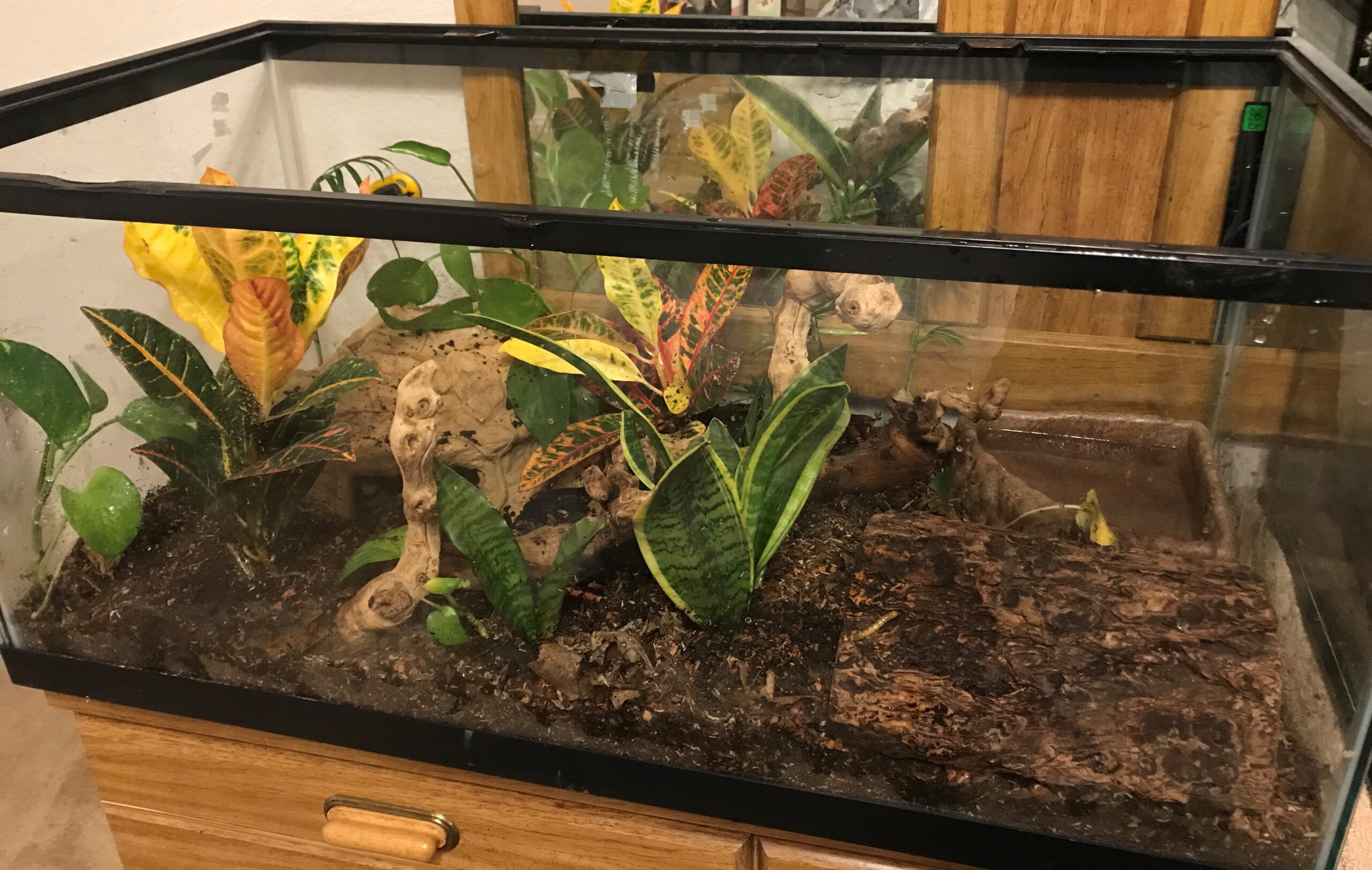
A fully bioactive terrarium is more than a display enclosure. It functions as a small, self-regulating ecosystem where plants, microorganisms, and animals interact in balance. When built correctly, it reduces daily maintenance, supports natural behaviors, and improves long-term health for frogs and small reptiles.
Many keepers switch to bioactive setups after realizing that sterile enclosures often create stress, humidity instability, and recurring cleaning issues. A natural system solves many of those problems by letting biology do the work.
This guide walks through each step with clarity, focusing on function first, visuals second.
What Makes a Terrarium Truly Bioactive
A bioactive terrarium relies on living processes rather than constant human intervention. Waste is broken down biologically, moisture cycles naturally, and plants contribute to air quality and structural complexity.
This type of setup is especially beneficial for amphibians and small reptiles that evolved in dense, humid environments. Instead of replacing substrate every few weeks, a properly built system matures over time.
Core components that define a true bioactive enclosure include:
- A layered substrate that supports drainage and root growth
- Live plants suited to humidity and lighting levels
- A cleanup crew of invertebrates that process waste
- Stable temperature and humidity gradients
A bioactive enclosure is not maintenance free, but maintenance becomes targeted rather than constant.
Choosing Species That Thrive in Bioactive Systems
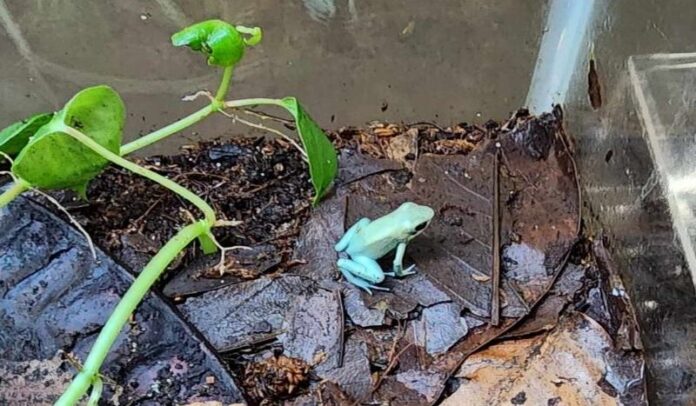
Not all frogs and reptiles adapt well to bioactive environments. Species selection should come before enclosure design, not after.
Small tropical frogs, geckos, and forest-dwelling reptiles are ideal candidates. They benefit from leaf litter, climbing structures, and microhabitats that bioactive systems naturally provide.
If you are looking for dart frogs for sale, it usually means you are already considering species that require stable humidity, clean water cycles, and a low-stress environment. Poison dart frogs, in particular, respond poorly to sterile setups where waste accumulates quickly and microclimates fluctuate.
A properly established bioactive terrarium supports their needs by maintaining moisture through natural evaporation, processing waste biologically, and providing visual cover that reduces stress.
Species commonly suited for bioactive terrariums include:
- Poison dart frogs and other small tropical frogs
- Mourning geckos and small day geckos
- Anoles and micro-skinks
Always confirm individual species requirements before finalizing your setup.
Enclosure Size, Ventilation, and Layout Planning
Enclosure design determines whether a bioactive system succeeds or struggles. Size, airflow, and orientation all matter more than decoration.
Vertical enclosures work best for climbing species, while horizontal tanks suit terrestrial frogs. Glass enclosures with front-opening doors are often preferred because they allow better access without disturbing the habitat.
Key layout considerations include:
- Cross-ventilation to prevent stagnant air
- Space for plant growth and root expansion
- Clear separation between wet and dry zones
Avoid overcrowding the enclosure. Empty space is not wasted space. It allows airflow, thermal gradients, and animal movement.
Planning layout on paper before building reduces costly redesigns later.
Building the Substrate and Drainage Layers
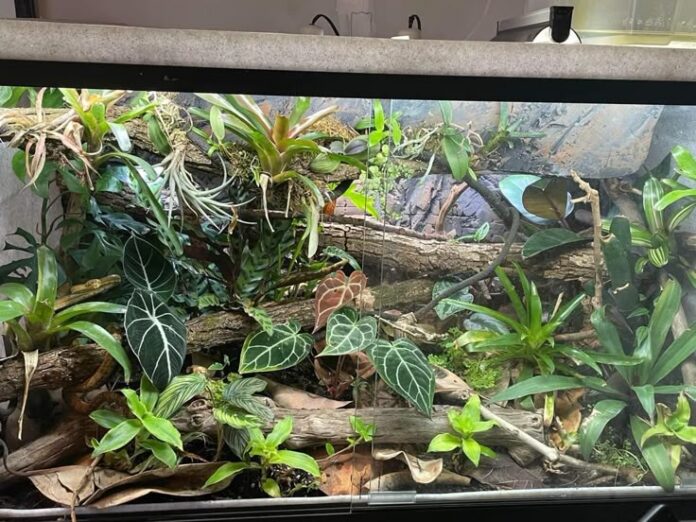
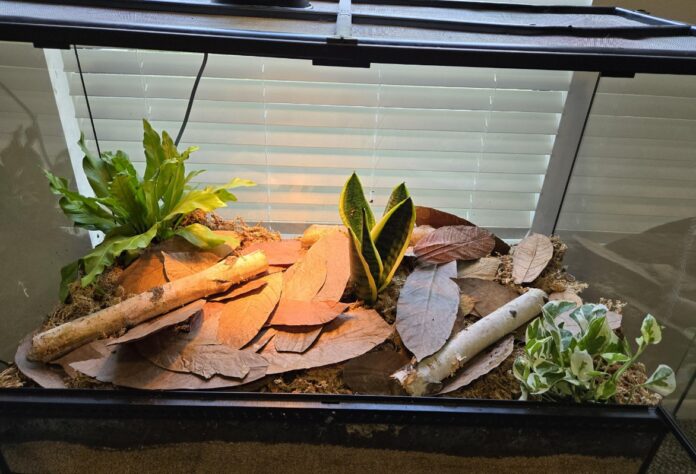
Substrate construction is the foundation of every bioactive terrarium. Without proper drainage, even the best plants and cleanup crews fail.
A layered system prevents waterlogging while maintaining humidity at the surface. Each layer serves a specific role in moisture management and biological activity.
Typical bioactive substrate layers include:
- Drainage layer made of expanded clay or gravel
- Barrier mesh to separate soil from standing water
- Nutrient-rich soil mix suitable for plants
- Leaf litter layer for microfauna and cover
The soil mix should retain moisture without compacting. Avoid garden soil or sand-heavy mixes, which restrict airflow to roots.
Once established, the substrate becomes biologically active and improves over time rather than degrading.
Live Plant Selection and Placement Strategy
Plants do more than improve appearance. They stabilize humidity, absorb waste byproducts, and create hiding zones.
Plant choice should match enclosure conditions rather than personal taste. Low-light, high-humidity plants outperform decorative species in these environments.
Reliable bioactive terrarium plants include:
- Pothos and philodendrons for climbing and coverage
- Bromeliads for water retention and frog perches
- Mosses and ferns for ground-level humidity
Place larger plants first, then fill gaps with smaller species. Leave space near the front glass to monitor substrate health.
Plants may struggle initially. Growth improves once roots establish and the cleanup crew begins processing waste.
Cleanup Crew Species and Their Functional Roles
The cleanup crew is the engine of a bioactive terrarium. Without it, waste accumulates and the system collapses.
Most setups rely on springtails and isopods, each playing a different role. Springtails focus on mold control, while isopods break down organic debris.
A balanced cleanup crew includes:
- Tropical springtails for fungus management
- Small isopods suited to humidity levels
- Leaf litter to sustain invertebrate populations
Introduce cleanup crews before animals. This allows populations to stabilize and prevents early nutrient overload.
A healthy cleanup crew reduces odor, slows algae growth, and keeps substrate biologically active.
Lighting, Heating, and Humidity Control
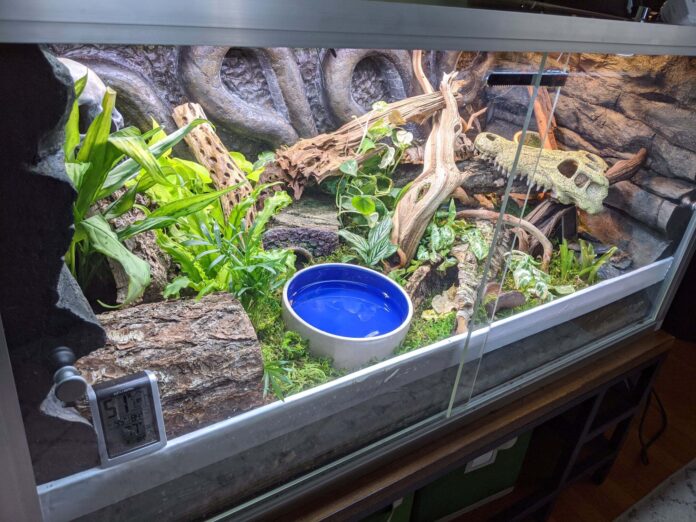
Environmental control ties all components together. Plants, animals, and microorganisms all depend on stable conditions.
Lighting should support plant growth without overheating the enclosure. Full-spectrum LED lighting works well for most tropical bioactive setups.
Environmental factors to manage include:
- Consistent day-night light cycles
- Gentle heat gradients rather than hotspots
- Humidity maintained through misting and substrate moisture
Avoid constant saturation. Wet does not equal healthy. Airflow and evaporation matter as much as moisture input.
Monitoring tools such as digital hygrometers and thermometers are essential for long-term stability.
Establishment Period and Initial Monitoring
A bioactive terrarium needs time to mature. The first four to six weeks are critical.
During this period, plants root, microorganisms multiply, and moisture cycles stabilize. Animals should only be introduced once conditions remain consistent.
Focus on observation rather than intervention. Minor mold growth is normal early on and usually resolves as springtail populations increase.
Signs the system is ready include:
- Stable humidity readings
- No standing water in the substrate
- Visible cleanup crew activity
Patience during this phase prevents most long-term problems.
Long-Term Maintenance and System Adjustments
Bioactive does not mean hands-off. It means targeted care instead of constant cleaning.
Maintenance tasks shift from cleaning waste to monitoring balance. Over time, plant trimming and population control become the primary responsibilities.
Long-term maintenance includes:
- Trimming overgrown plants
- Adding leaf litter as it decomposes
- Monitoring cleanup crew populations
Avoid deep substrate disturbance. This disrupts biological layers and microbial networks.
When balanced, a bioactive terrarium becomes easier to maintain with age rather than harder.
Common Mistakes That Undermine Bioactive Setups
Many failures trace back to rushing the process or overloading the system early.
Common mistakes include overwatering, using unsuitable plants, or adding animals too soon. Another frequent issue is underestimating airflow needs.
Problems to avoid:
- Skipping the drainage layer
- Using fertilizers or treated wood
- Overstocking animals
Correcting mistakes early is possible, but prevention is far easier than repair.
A slow, methodical approach produces the most stable results.
Why Bioactive Systems Support Natural Behavior
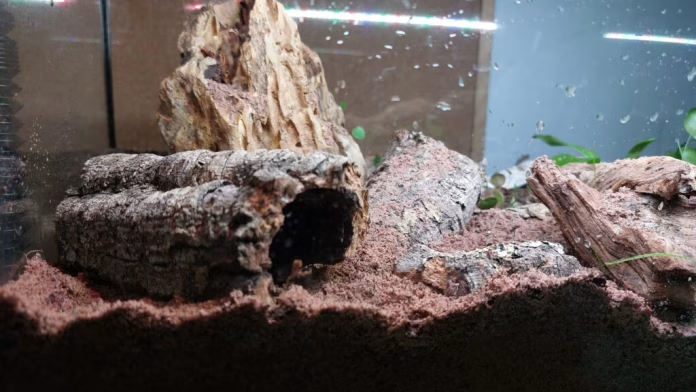
Beyond convenience, bioactive terrariums change how animals behave. Frogs call more often, reptiles explore more confidently, and stress-related behaviors decline.
Natural textures, varied microclimates, and biological cues encourage instinctive movement and feeding patterns.
Behavioral benefits often observed include:
- Increased activity during natural cycles
- Improved feeding response
- Reduced hiding and defensive behavior
When the environment aligns with evolutionary instincts, animals do not need constant adjustment to thrive.
Final Thoughts on Building a Living System
A bioactive terrarium is not a shortcut. It is a commitment to biological balance.
When built thoughtfully, it rewards keepers with healthier animals, fewer emergencies, and a deeper understanding of natural systems. Each enclosure becomes unique, shaped by time rather than constant intervention.
Approach the process as ecosystem building, not enclosure decorating. The difference shows in every long-term result.
Frequently Asked Questions
Can bioactive terrariums work without live plants?
True bioactive systems require plants. Without them, waste processing and humidity regulation become unstable.
How long does it take for a cleanup crew to establish?
Most populations stabilize within two to four weeks under proper moisture and food availability.
Is a bioactive setup safe for juvenile frogs or reptiles?
Yes, if humidity, temperature, and prey size are appropriate. Avoid large isopods with very small juveniles.
Do bioactive terrariums smell over time?
When balanced, they produce little to no odor. Persistent smell usually indicates drainage or airflow issues.
Can different frog species share one bioactive enclosure?
Mixed species housing is risky and usually discouraged due to stress, disease transmission, and competition.