

Buying a used car can be an excellent first step for anyone seeking value and practicality.
Lower purchase prices and slower depreciation help stretch a budget further.
Risks do exist, yet careful preparation and informed choices can minimise surprises and lead to a confident purchase.
Let’s talk about it.
Start the Search

A well-planned search helps reduce stress and makes each step clearer. A buyer gains confidence once sources are compared, risks are spotted early, and expectations are realistic.
Franchised dealers usually offer inspected stock along with warranties that support peace of mind. Cars sold through these outlets often receive background checks and mechanical preparation before they reach customers, so surprises are less common.
Independent garages tend to provide competitive prices along with basic checks. Many operate with smaller teams, so communication feels more direct. Asking for service documents or inspection notes helps reveal how each car has been prepared.
Private sellers often offer lower costs, but caution is essential due to limited protection. Buyers must rely on their own judgement, so extra care during inspection, paperwork review and test driving becomes vital.
Online platforms like eBay, AutoTrader and Facebook Marketplace offer a wide range of options along with quick filtering tools. Buyers gain access to many regions at once, giving a broader view of pricing and availability.
Auction houses create chances for bargains but demand experience, so beginners should proceed carefully. Cars usually arrive with shorter viewing windows, meaning faults may go unnoticed without practised inspection skills.
Research the Right Models

A smart purchase begins with model selection. Every car has its own strengths and weaknesses, and researching them early helps avoid unreliable choices and unexpected running costs.
Review sites, owner forums and reliability indexes such as WhatCar? and RAC help identify dependable options. Drivers share real-world experiences, allowing patterns in faults or maintenance needs to become more visible.
Insurance group ratings, repair frequency and parts availability play an important role in long-term costs. Higher insurance brackets, rare parts or complex engines can increase expenses, so buyers should compare several models before building a shortlist.
Shortlist, Inspect and Test
A clear shortlist brings focus. Once a few promising cars are identified, inspection and testing reveal condition, history and suitability for daily use.
Vehicle History Checks
Accurate history helps prevent financial and safety risks. Buyers gain valuable confidence when records show consistency and care.
Full service history and MOT records reveal how well a car has been maintained. Gaps in records can indicate periods of neglect or previous issues that went unaddressed.
Online tools such as RAC and HPI help identify outstanding finance, previous insurance write-off categories and stolen status. These checks protect buyers from legal complications or unsafe cars.
For motorcycle purchases, it is crucial to puxar chassi de moto, consult the chassis number (VIN), to verify the bike’s true identity. Platforms like Ver Placa allow buyers to quickly check for theft, clone fraud, unpaid debts, and past accidents.
In-Person Checks (10-Point Walkaround)
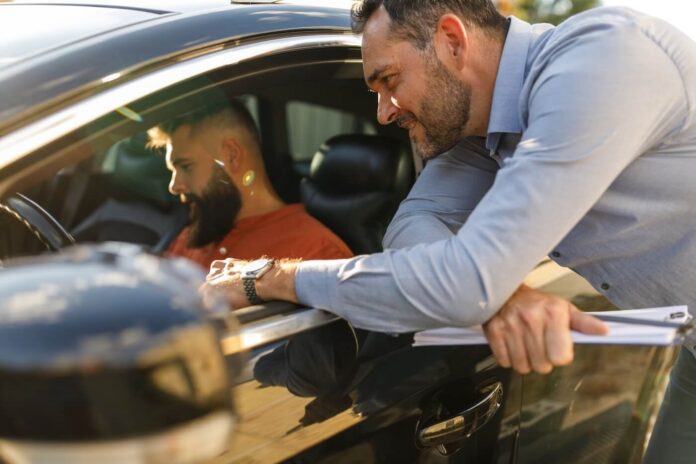
A structured inspection approach helps avoid missed problems. Key areas that require attention include:
- Tyres, bodywork, glass, lights and upholstery
- Fluid levels, under-bonnet condition and signs of leaks
- Crash indicators such as uneven panel gaps or mismatched paint
- VINs on chassis, dashboard and documents, which must align perfectly
Any inconsistencies in these areas suggest the car needs further evaluation or a professional inspection.
Take a Test Drive
A drive reveals mechanical behaviour that visual checks cannot uncover. A buyer should create a short checklist before setting off, covering several important areas:
- Braking, steering response, clutch action and acceleration
- Cold-start performance, which highlights engine health
- Behaviour on steep roads, exposing clutch or gearbox strain
- Cabin comfort, visibility and noise levels
Sellers who decline test drives create a strong warning sign and should be avoided immediately.
Know the Paperwork

Clear documentation protects a buyer and confirms the legitimacy of the car. Time spent reviewing each item prevents costly mistakes after payment is made.
Documents You Must See
Several items must be presented before committing to a purchase:
- V5C logbook confirming the registered keeper
- MOT certificates and full service records
- Warranty documents when included
- Receipt or invoice with VIN, price and date
Missing documents should prompt further questions or a decision to walk away.
Your Legal Rights
Legal protection varies depending on the source of purchase. Dealer transactions benefit from consumer law, while private deals require much more caution.
Consumer Rights Act 2015 offers a 30-day refund window along with repair rights during the first six months when buying through a dealer.
Private sales provide far less protection, so careful inspection and verification are essential.
Unroadworthy vehicles cannot legally be sold and must be rejected immediately.
Negotiating and Making the Deal

A confident approach helps secure a fair price. Preparation is key, as most sellers expect buyers to negotiate.
Price comparisons across listings strengthen bargaining power.
Mentioning visible issues or concerns can justify a discount.
Polite firmness and willingness to step away often secure a fair result.
Discuss Payment Methods
A safe payment method reduces risk. Several options suit different comfort levels:
- Bank transfers create a secure and traceable option
- Credit cards provide certain protections for large purchases
- Cash should be avoided for expensive deals due to safety concerns
- A written receipt is always required
Before You Drive Away
Final tasks must be completed before the car leaves the seller’s possession. Doing these immediately ensures legal compliance and avoids penalties.
Insurance must be arranged before taking possession, either temporary or annual.
Car tax can be completed online through DVLA or at a Post Office.
Asking for additions such as fuel, fresh MOT or minor service work can add useful value.
After the Purchase

First actions after buying help establish secure ownership and set a foundation for reliable use.
Immediate Actions
A smooth transition into ownership depends on completing several essential tasks shortly after taking possession. Prompt action helps avoid administrative issues and keeps the car legally recognised.
Ownership registration with DVLA should be completed using the V5C, which confirms the new keeper and updates official records.
Swift submission prevents delays in receiving tax reminders and avoids penalties that arise when details remain outdated.
Accurate registration also protects the buyer if future legal or insurance questions arise.
Service reminders and MOT alerts help maintain future compliance by keeping important dates visible. Digital calendars, mobile apps or garage reminder systems make these checks easier to track.
Regular scheduling prevents last-minute rushes, reduces the chance of missed appointments and supports a consistent maintenance pattern.
Ongoing Care
Continuous attention to the car’s condition helps preserve value and reliability. Responsible ownership involves more than simple repairs; it requires active monitoring and good organisation.
A maintenance log helps track repairs and servicing by recording dates, mileage and work completed.
Clear documentation reveals patterns in wear, assists when diagnosing new faults and increases buyer confidence during future resale.
Keeping receipts, job sheets and garage notes alongside the log creates a full record.
Running costs should be monitored to identify developing issues early.
Rising fuel consumption, unexpected noise, irregular tyre wear or higher-than-normal oil usage often signal upcoming mechanical problems.
Closing Thoughts
A first used car can be a smart and rewarding acquisition when approached with careful planning and attention to detail.
Staying alert, organised and methodical helps create a confident start to motoring independence.