
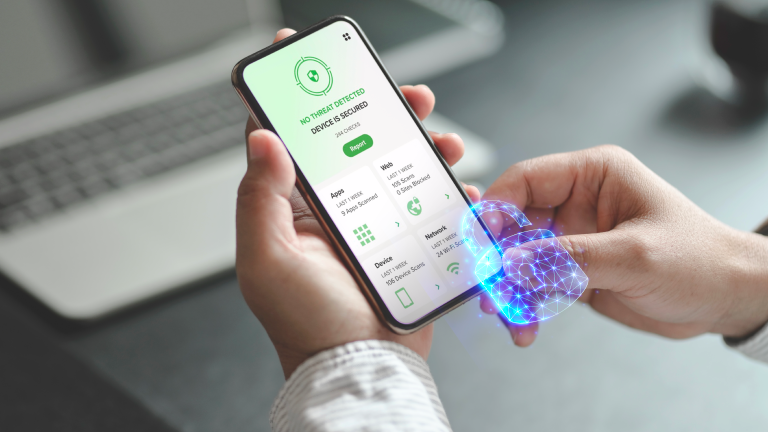
The phones are becoming an extension of who you are. People check them before sleep and first thing in the morning. The discussions, photos, bank account information, work documents, and private secrets are all stored there. However, the majority of people only use a simple password to secure their phones.
Mobile devices are constantly at risk from hackers, and criminals, along with malicious software in the increasingly perilous digital world. The mobile threat defense is crucial for your digital life; it’s not just technical jargon. Strong mobile security should be your first concern for the following compelling reasons.
1. Your Personal Information is Pure Gold to Criminals
Your phone gathers a ton of personal information every day. A comprehensive picture of your life is created by contact lists, email addresses, location information, surfing patterns, buying choices, and social connections. In underground markets, criminals handle this information like money. They bundle and sell personal information to fraudsters, identity thieves, and con artists all around the world.
Your phone turns into a treasure trove if you don’t have the right defenses. Robust mobile security keeps prying eyes out of your personal space like a vault door. Identity theft, financial fraud, and reputational harm are just a few of the long-term effects of having your personal information compromised.
2. Financial Transactions
The way people manage money has changed thanks to mobile banking and payment apps. Simple screen taps are used to check account balances, pay bills, transfer money, and purchase online. There are significant responsibilities associated with this convenience. Financial malware and banking trojans primarily target mobile devices in an effort to steal money straight from accounts by intercepting login credentials.
Savings accumulated over years can be depleted by a single successful attack. Mobile threat defense continuously scans financial apps to identify questionable activity before transactions are finalized. It ensures that only lawful actions take place by erecting protective walls around sensitive apps. These unseen protectors work relentlessly behind the scenes to ensure your financial well-being.
3. Workplace Data Lives on Personal Devices
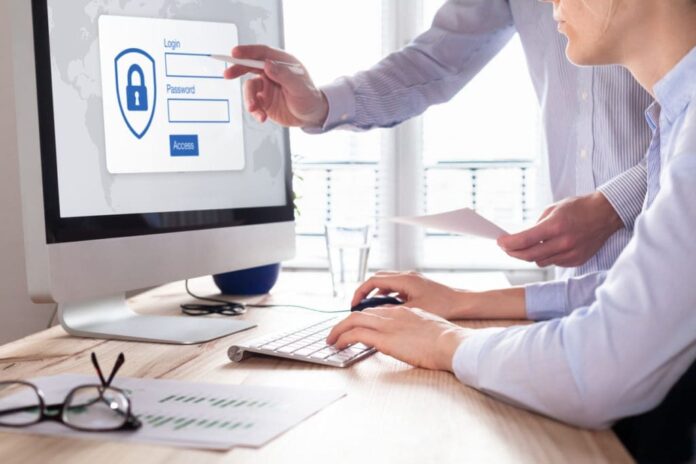
The boundaries between personal and more than professional life have been blurred. Employees always make calls on their own phones with company emails, papers, and presentations among other data. The policy of bringing your own device presents businesses with great security threats.
Trade secrets, client databases, and strategic plans may be exposed by a compromised personal phone that serves as a backdoor to business networks. Mobile threat defense simultaneously safeguards the assets of your organization and your own interests. It guarantees the security of work-related data even when it is kept on personal devices. Effective maintenance of this digital security barrier can have a significant impact on career paths and professional reputations.
4. Malicious Apps Hide in Plain Sight
Application stores have millions of programs and not all of them pass through the carefully paid attention to security checks. Essentially evil computer software is camouflaged by clever criminals as legitimate software, like games, utilities, productivity packages, or even security software. Using secretly recorded conversations, access to a camera or a place tracking, or losses through the theft of credentials, these malicious applications demand too much.
After installation, they function silently and steal data without causing any noticeable symptoms. Applications are examined both before and after installation by mobile threat defense, which also flags unusual activity and analyzes behavior trends. It serves as a discriminating gatekeeper, enabling the complete operation of only reliable programs. Devastating breaches that start with seemingly benign downloads are prevented by this monitoring.
5. Public Networks

Free wireless internet is available at coffee shops, airports, hotels, and restaurants; it may seem convenient, but there are significant risks. Cybercriminals are always taking advantage of public networks to launch sophisticated assaults in addition to intercept unencrypted communications. They build phony networks with names that sound real in order to deceive users into connecting willingly.
Everything you send, including passwords, messages, and images, along with documents, passes through systems under the control of the attacker once you’re connected. Before sensitive data is transferred over compromised connections, mobile threat protection alerts users to potentially hazardous network situations. It can recommend safer options or automatically encrypt communications. Recognizing that ease of use does not equate to security aids in defending against these prevalent yet destructive attack methods.
6. Phishing Schemes
Phishing emails have become sophisticated tactics tailored to mobile devices. Instant chat apps, social media sites, and text texts all send misleading messages intended to install malware or steal login information. Claiming delivery problems, account concerns, security alerts, or prize victories, these mails seem urgent. When they are opened, the malicious links or attachments they contain cause infections.
Examining communications on mobile displays is challenging, and hurried people are more likely to become victims. Before consumers click on risky links, mobile threat protection examines incoming communications to spot warning indicators of phishing attempts. Threats that human judgment could overlook during hectic, distracted times are detected by this protective layer.
7. Location Tracking Reveals Dangerous Patterns
Location data is being sent by your phone in a number of ways. The place where you live, work, shop, exercise, and worship and they also relate to others are also disclosed through applications, network connections and metadata. These trends help criminals involve themselves in physical crimes like kidnapping, stalking, burglary or targeted assaults.
Even the apps that appear innocuous, collect and share location data with third parties unknown to the user. By keeping an eye on which apps use location services and when, mobile threat security warns users of any suspicious tracking activity. By keeping digital breadcrumbs from disclosing daily routines or bringing dangers right to your door, it contributes to the maintenance of physical safety.
Conclusion
These days, mobile threat security is a must for anyone using a smartphone. The risks are real, ever-changing, along with daily targeting of regular people. Mobile security is a serious matter that you can never afford to ignore when it comes to your personal information, money, career fame, as well as physical security.
Waiting to get something bad to happen is unnecessary. Invest in complete doverunner protection now to live in a connected world with true peace of mind.