The University of South Carolina brings thousands of students, faculty members, employees, and visitors into Columbia every day. As the university grows, so does the activity surrounding its campus. New student housing, busier commercial areas, and larger campus events all contribute to changing traffic patterns in nearby neighborhoods.
For drivers, this means sharing the road with more pedestrians, cyclists, rideshare vehicles, and motorists who may be unfamiliar with the area. Some streets experience particularly heavy activity during class changes, while others become congested during football games and major university events. These changes create practical traffic-safety concerns for people who travel through the area regularly and those visiting for the first time.
A Busier Campus Means More Traffic
A growing student population brings more daily trips throughout the university district. While many students walk or use public transportation, others drive to campus or depend on rideshare services. University employees, delivery drivers, and visitors add to the volume.
The busiest periods often coincide with morning classes, afternoon departures, and evening activities. Streets near campus entrances and popular student destinations can become crowded as vehicles compete for space with pedestrians crossing between buildings and nearby businesses.
Even familiar roads can become less predictable under these conditions. Drivers may encounter sudden stops, congested intersections, and pedestrians who are difficult to see around parked vehicles. The additional activity also affects surrounding neighborhoods, as motorists look for alternative routes when major roads become backed up.
Student Housing Changes Neighborhood Traffic
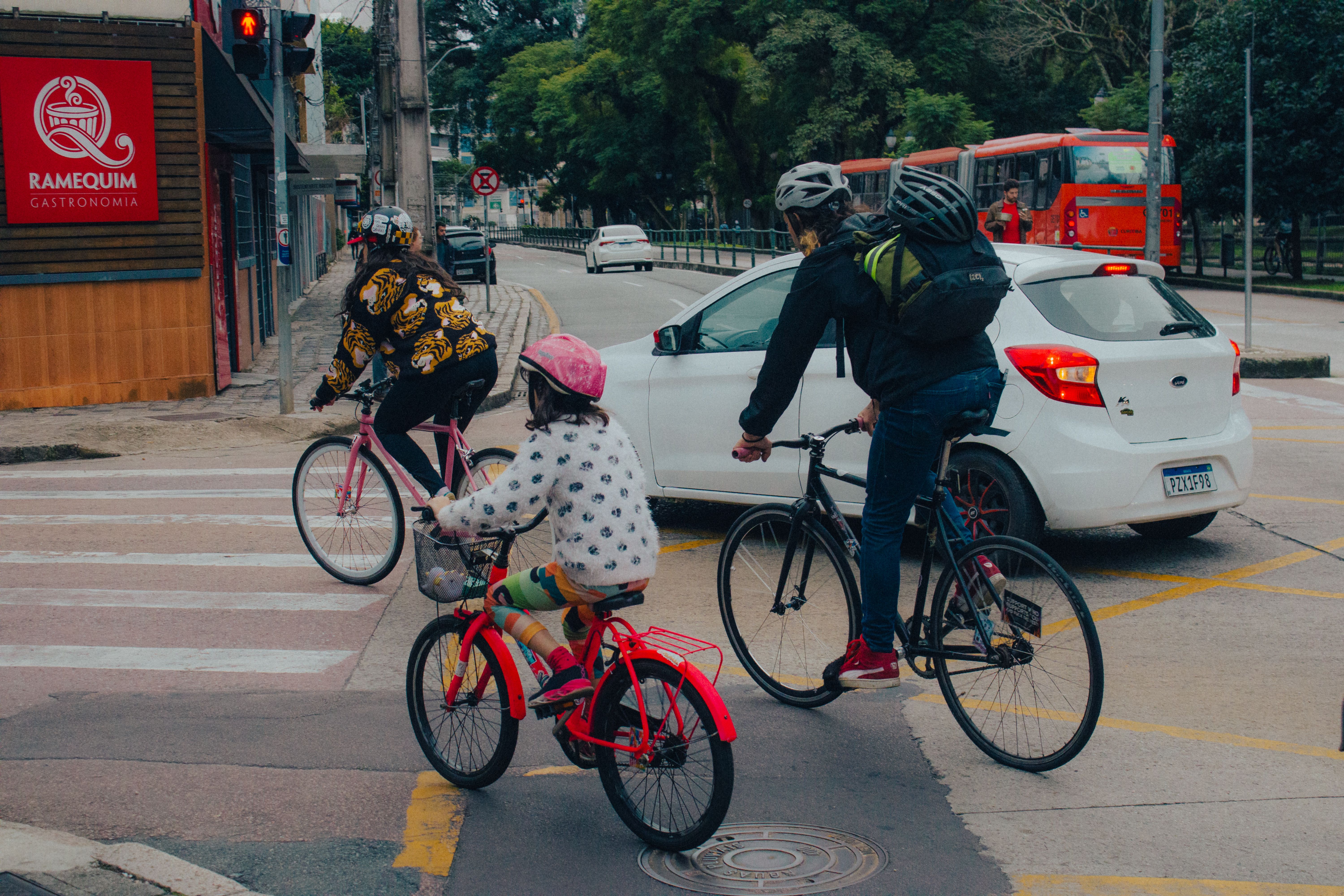
The expansion of student housing has brought more activity to residential areas surrounding USC. Apartment complexes and other developments create additional demand for parking, access roads, and nearby intersections.
Parking can be a particular concern. When apartment complexes have limited spaces, residents and visitors may turn to street parking. Vehicles lining both sides of a road can narrow travel lanes and make it harder to see pedestrians, cyclists, or approaching traffic.
These neighborhoods also experience considerable foot traffic. Students regularly walk between their apartments, campus, restaurants, and entertainment venues. Residential streets that once saw relatively little pedestrian activity may now serve as regular walking routes.
The way new developments connect to existing roads matters as well. Poorly positioned entrances, limited visibility, and inadequate pedestrian access can make it more difficult for everyone to navigate the area safely.
Rideshare Activity Creates New Challenges
Rideshare services are a common transportation option for students, particularly those who do not own vehicles or prefer not to drive around campus. However, the steady movement of rideshare vehicles can complicate traffic on already crowded streets.
Pickup and drop-off locations are not always convenient. Drivers may stop near campus entrances, along narrow streets, or in areas where other vehicles are trying to move through. Even a brief stop can force approaching motorists to slow down or change lanes unexpectedly.
Passengers create another concern. Someone exiting a vehicle may step directly into a travel lane, while people waiting for rides may cross streets while watching for their driver rather than approaching traffic.
These situations are especially common during evening hours, when students are traveling between campus, apartments, and nearby businesses. Clearly designated pickup areas can help, but they are only effective when drivers and passengers use them consistently.
Game Days Bring More Drivers and Pedestrians
Football games at Williams-Brice Stadium bring some of the heaviest traffic conditions of the year to the USC area. Thousands of visitors travel into Columbia, many of whom are unfamiliar with local roads and parking arrangements.
Congestion often begins well before kickoff and continues after the game. Visitors search for parking, follow navigation apps through surrounding neighborhoods, and navigate temporary traffic restrictions. Local streets can become crowded with vehicles trying to avoid delays on major routes.
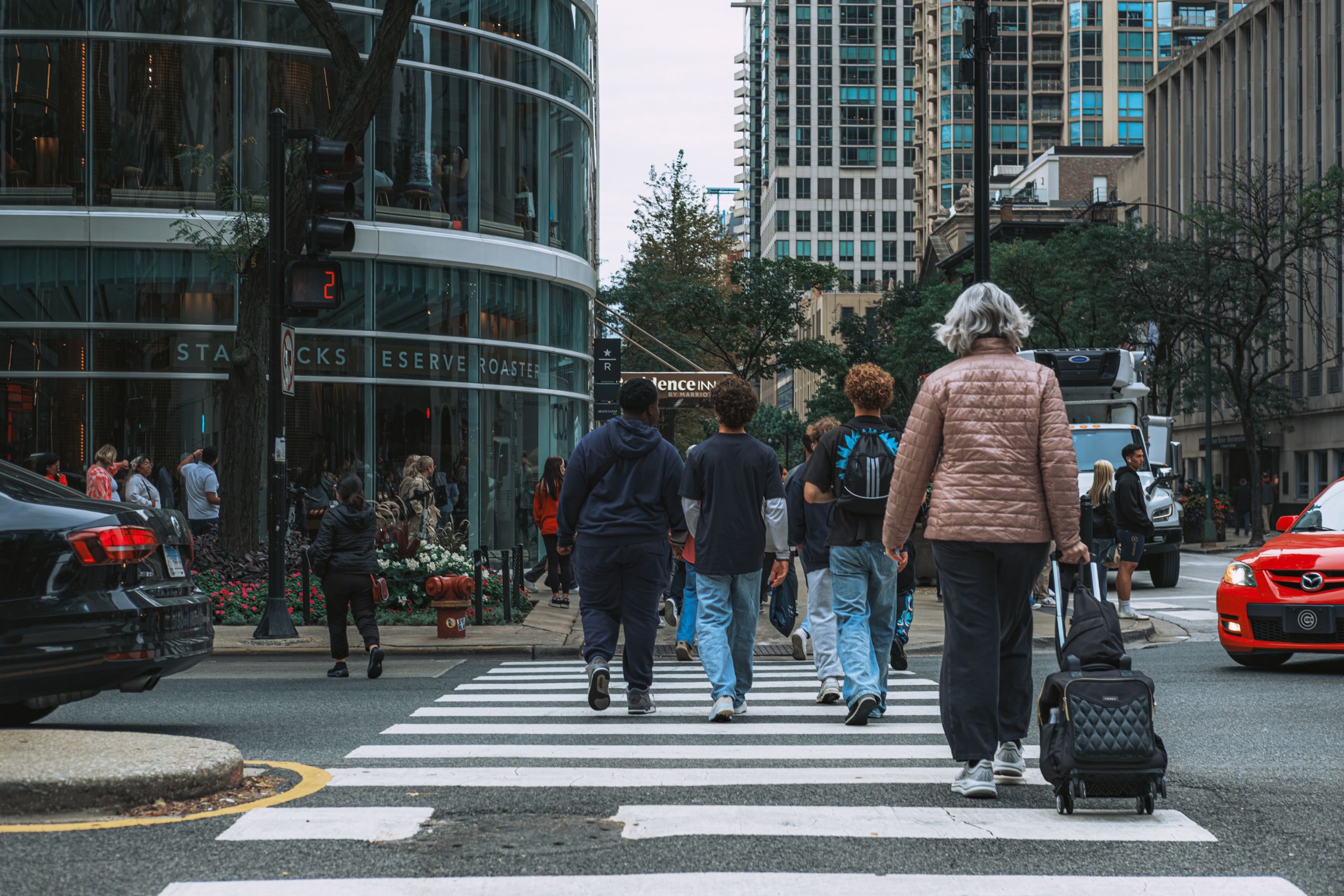
Pedestrian activity increases considerably, too. Fans walk between parking areas, restaurants, campus facilities, and the stadium. Large groups may cross streets at once, sometimes outside designated crosswalks when traffic slows.
The hours after a game can present additional concerns. Fatigue, alcohol consumption, and impatience can affect driving decisions, while pedestrians may be moving through crowded streets in low-light conditions. These factors make it particularly important for motorists to remain alert and avoid assuming that other road users will behave predictably.
Pedestrian Safety Around Campus
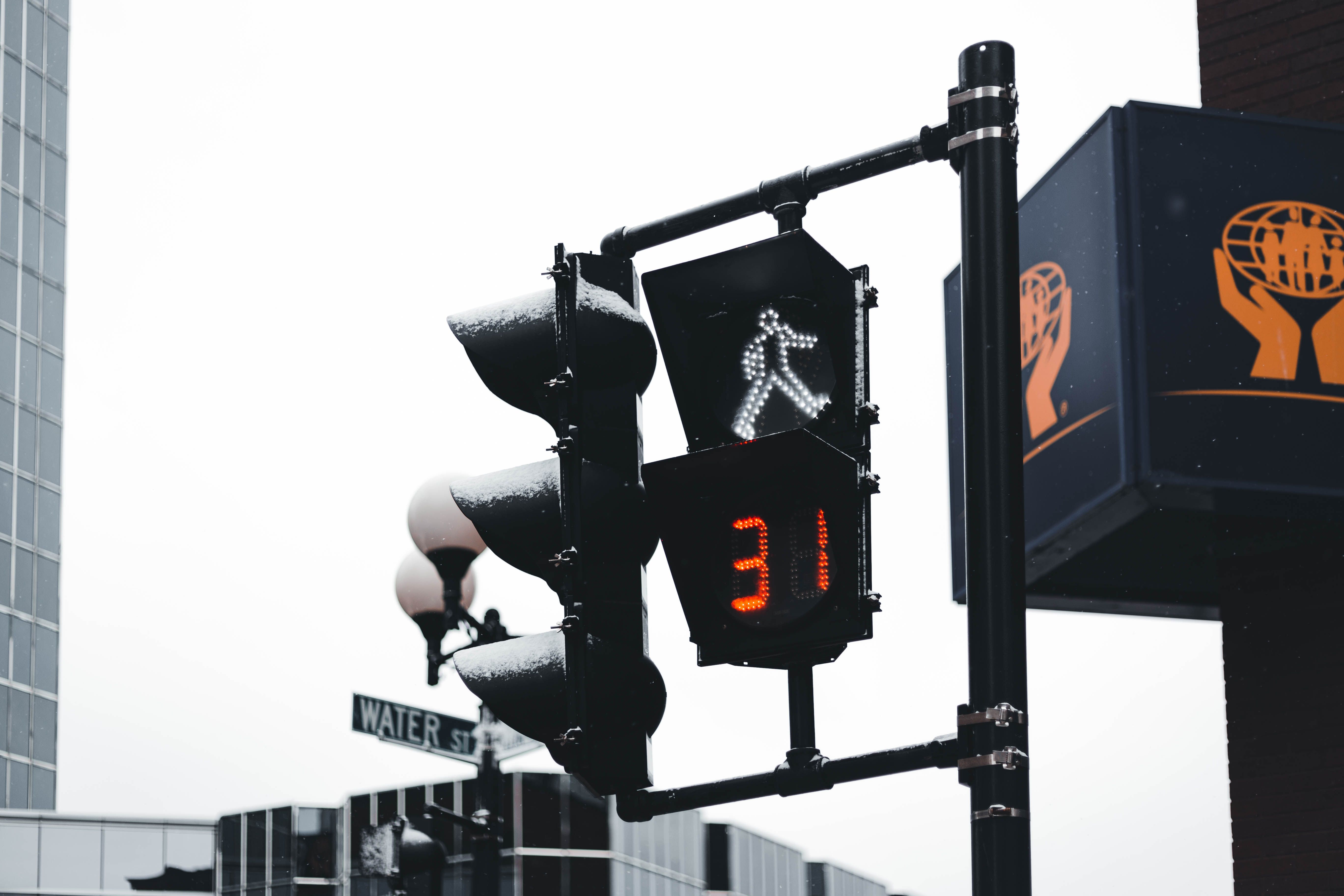
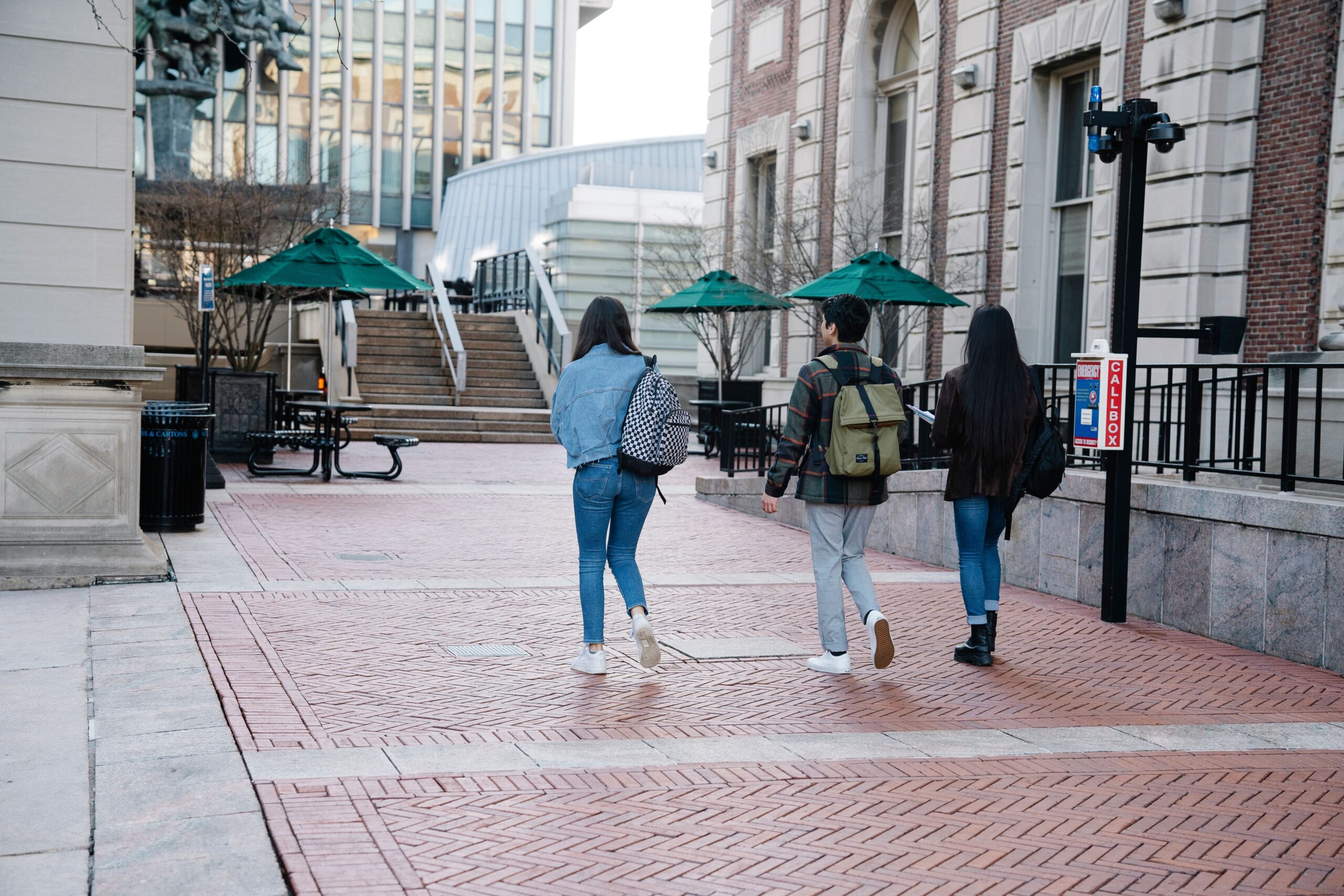
Pedestrians are part of the everyday traffic environment around USC, not just a concern during major events. Students regularly move between classes, residence halls, libraries, and nearby businesses. This activity is concentrated around campus entrances and streets connecting the university to surrounding neighborhoods.
Crosswalks and pedestrian signals help organize movement, but they do not eliminate the possibility of collisions. Drivers distracted by navigation systems, parking searches, or congested traffic may overlook someone entering a crosswalk. Parked vehicles and delivery trucks can also obstruct sightlines, leaving motorists with less time to react.
When a pedestrian is struck, the circumstances surrounding the collision can have a significant bearing on how responsibility is determined. Whether a driver had a clear view of the crosswalk, how quickly a pedestrian entered the roadway, and whether nearby traffic or parked vehicles limited visibility are all details that may come into play. These are the kinds of questions that can arise in a Columbia car accident lawyer’s assessment of a pedestrian injury claim, particularly in an area where vehicle and foot traffic regularly intersect.
Keeping Pace With Campus Growth
As USC continues to attract students and expand its presence in Columbia, transportation planning will need to keep pace. Adding more housing and accommodating larger campus events can put pressure on roads that already serve a mix of residential, commercial, and university traffic.
Some improvements are relatively straightforward. Better street lighting, clearly marked crosswalks, updated traffic signals, and designated rideshare zones can address specific problems. Parking policies and event traffic plans also play a role in keeping vehicles from spilling into nearby residential streets.
Planning should account for more than the number of cars on the road. Pedestrians, cyclists, public transportation users, and rideshare passengers all need safe ways to move through the same areas. New developments should be evaluated with those different needs in mind.
The Road Ahead for Columbia
USC’s growth is changing more than the university’s physical footprint. It is reshaping how people travel through the surrounding neighborhoods and placing new demands on Columbia’s roads. Student housing, rideshare activity, pedestrian traffic, and major sporting events each contribute to a more complicated driving environment.
These changes are unlikely to slow as the university continues to develop. Maintaining safe streets will require practical infrastructure improvements, thoughtful planning, and greater awareness from everyone using the roads. For Columbia, accommodating a growing campus means making sure the surrounding transportation network can support the people who depend on it every day.