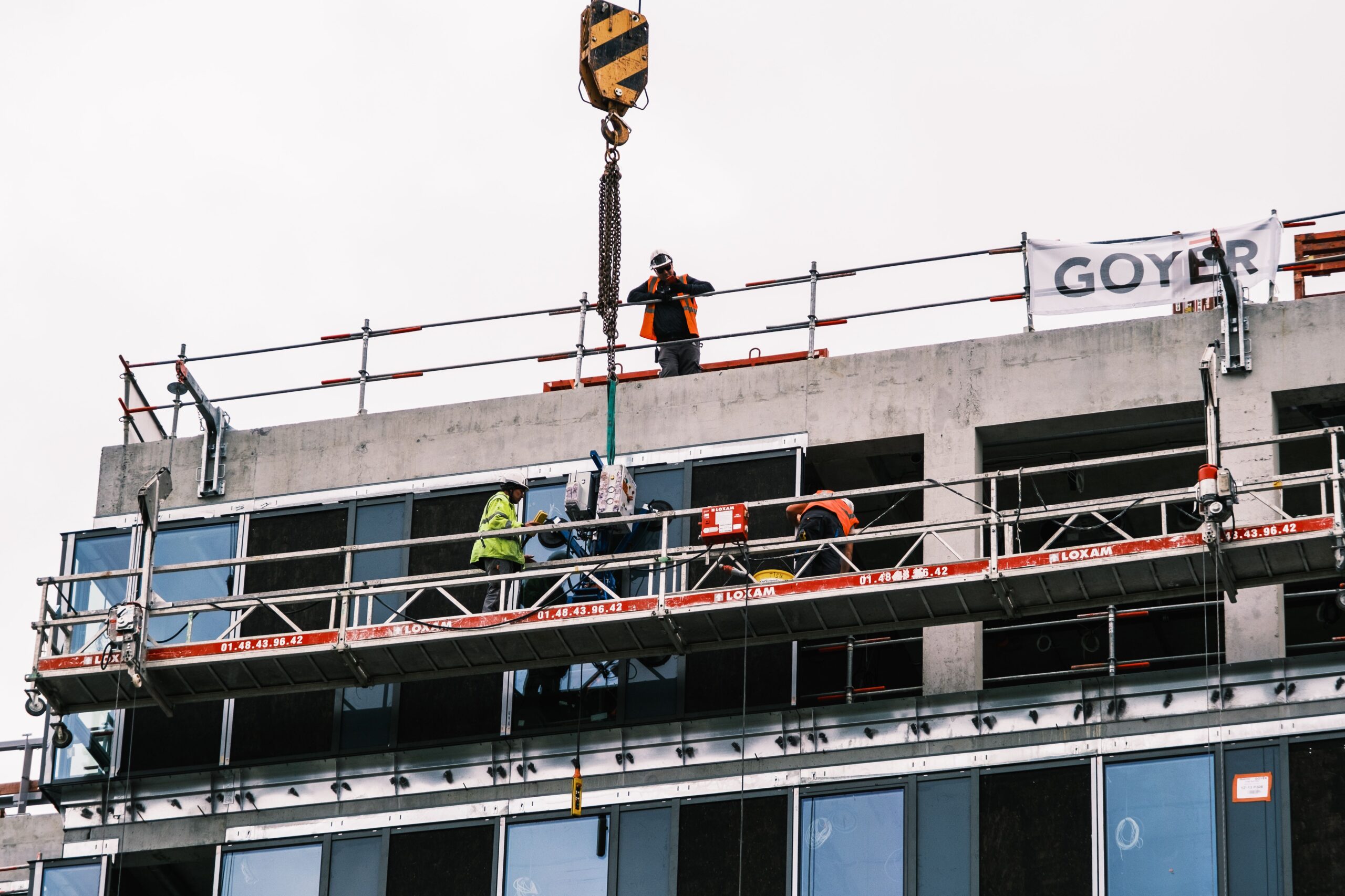
A construction site can have several companies working within a relatively small area. One subcontractor may be installing electrical systems while another moves materials or operates heavy machinery nearby. Each company has its own employees and equipment, but their work often overlaps. When a worker is injured by machinery operated by someone from another company, determining who is responsible can become a complicated process.
On Miami construction projects, these situations can raise questions about more than just the actions of the equipment operator. The injured worker’s employer may be responsible for workers’ compensation coverage, while another contractor, equipment owner, or manufacturer could have played a part in causing the accident. Understanding how those responsibilities differ is important when evaluating the available options.
The Injured Worker’s Own Coverage
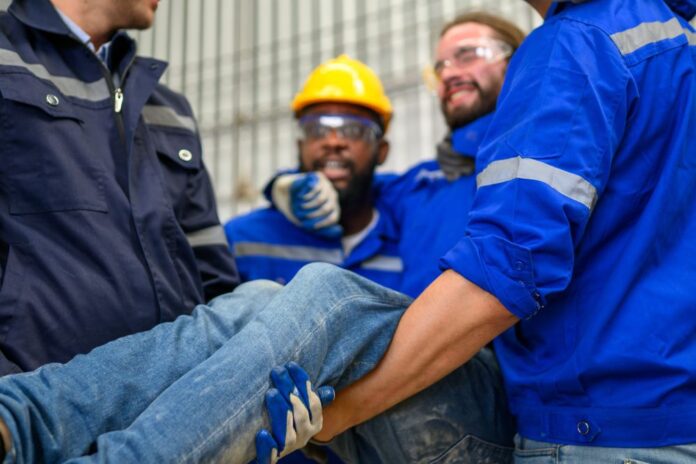
Florida workers’ compensation generally covers employees who suffer injuries while performing their jobs, regardless of who caused the accident. If a subcontractor’s employee is struck by a forklift operated by another company’s worker, the injured employee would typically turn to their own employer’s workers’ compensation insurance for benefits.
Those benefits can cover necessary medical treatment, a portion of lost wages, and compensation for certain lasting impairments. The injured worker generally does not have to prove that their employer was careless to receive coverage.
Construction projects can complicate this arrangement, however. Florida law includes special provisions for contractors and subcontractors, particularly when a subcontractor does not maintain the required workers’ compensation insurance. Under certain conditions, a contractor may become responsible for providing coverage to the subcontractor’s employees. This makes the relationship between the companies relevant when determining which insurance applies.
When the Other Contractor Is Responsible
Workers’ compensation generally prevents employees from bringing ordinary negligence lawsuits against their own employers. However, that restriction does not necessarily apply to an unrelated contractor whose actions caused the injury.
Consider a worker who is unloading materials when a forklift operated by another subcontractor backs into them. If the operator failed to check behind the vehicle or was moving too quickly for the conditions, the operator’s employer could potentially face a negligence claim. Similar issues can arise when a contractor leaves machinery in a walkway, fails to secure equipment, or allows an inadequately trained employee to operate it.
The distinction is important because the injured worker may have both a workers’ compensation claim and a separate claim against the company responsible for the accident. Receiving benefits through one employer does not automatically settle questions about another company’s conduct.
When the Equipment Is the Problem
Not every equipment-related injury comes down to operator error. A machine may malfunction because it was poorly maintained, improperly repaired, or manufactured with a defective component. When that happens, the company operating the equipment may not be the only business worth examining.
Consider a construction worker injured when a rented lift suddenly drops. The investigation might reveal that the lift had a hydraulic problem that should have been caught during an earlier inspection. Depending on the circumstances, responsibility could involve the contractor using the lift, the rental company responsible for maintaining it, or the manufacturer of a defective part.
Equipment ownership is particularly relevant on large projects, where machinery is frequently rented or shared between subcontractors. Maintenance records, inspection reports, repair histories, and rental agreements can help establish who was responsible for keeping a particular machine in working condition.
Does the General Contractor Share Responsibility?
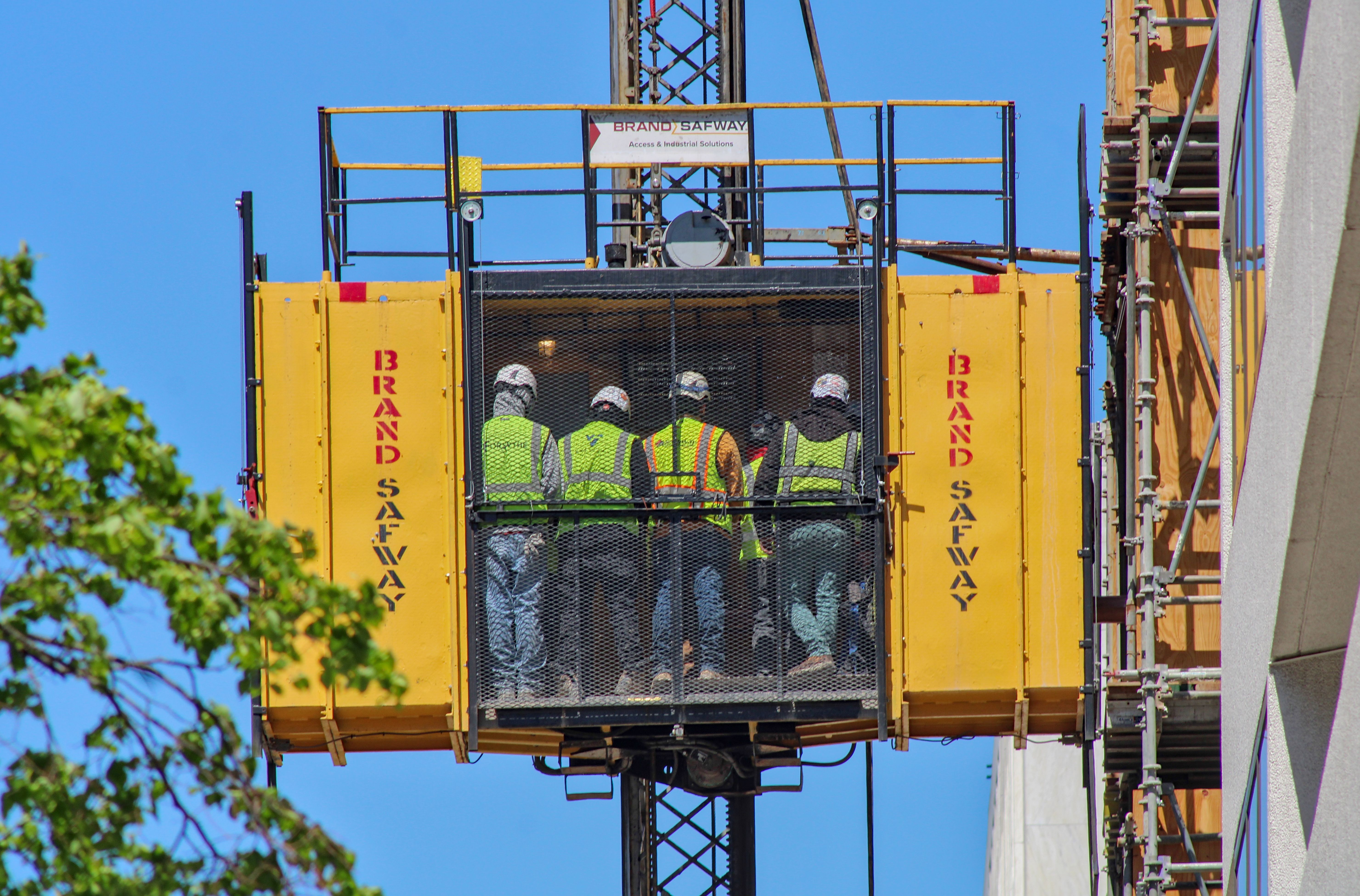
The general contractor’s involvement can also become an issue, especially when an accident results from the way different crews are scheduled or supervised. General contractors often coordinate deliveries, assign work areas, and establish rules for moving equipment around the site.
For example, a general contractor might allow one subcontractor to move heavy materials through an area where another company’s employees are performing work. If the activities aren’t properly coordinated and a worker is struck by the moving equipment, questions may arise about whether the general contractor contributed to the unsafe conditions.
That doesn’t mean the general contractor automatically becomes responsible whenever a subcontractor’s employee is injured. Its obligations depend on the work it controlled, the responsibilities it accepted, and whether its own conduct contributed to the accident. A subcontractor’s independent mistake and a general contractor’s failure to address a known site hazard are two different issues, though both could be relevant to the same incident.
How Different Claims Affect Each Other
Workers’ compensation and third-party claims can provide different types of recovery. Workers’ compensation generally covers medical expenses and a portion of lost income, but it does not provide damages for pain and suffering. A successful claim against another responsible company may allow an injured worker to pursue those additional damages.
For example, when a construction worker is injured by another subcontractor’s machinery, a Miami Workers’ Comp lawyer may need to examine not only the worker’s eligibility for benefits but also whether the circumstances support a claim against another company. The distinction matters because the two claims involve different insurance policies, legal responsibilities, and potential sources of compensation.
There are also rules governing how workers’ compensation insurers are reimbursed when an injured employee receives money from a third-party claim. Florida law provides for certain lien and reimbursement rights, so a settlement does not necessarily mean the injured worker keeps the entire amount recovered. The workers’ compensation benefits already paid can affect how the proceeds are distributed.
Piecing Together What Happened
When several contractors share a construction site, an equipment accident may involve more than one mistake. The operator might have failed to follow safety procedures, but the equipment could also have been poorly maintained or the work area inadequately managed.
Incident reports, photographs, surveillance footage, witness accounts, and equipment maintenance records can help establish how the accident occurred. Contracts between the general contractor and subcontractors may also clarify which company was responsible for operating, inspecting, or maintaining the machinery.
Ultimately, the question isn’t simply who was behind the controls when the accident happened. It is whether another company contributed to the conditions that caused the injury and what responsibilities each business had on the job site. That distinction can determine whether an injured construction worker’s recovery involves workers’ compensation alone or additional claims against other parties.