
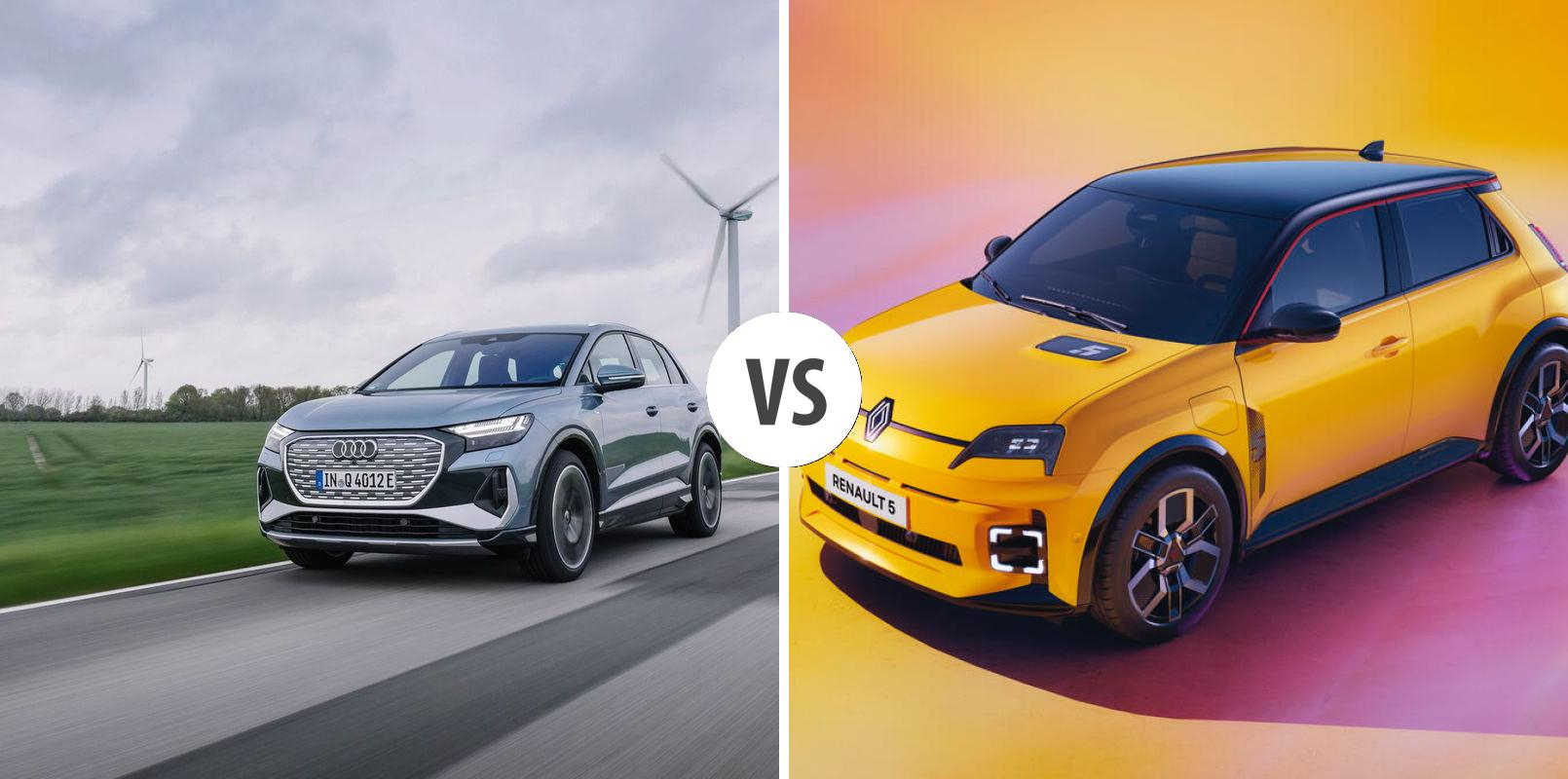
Choosing between a used Audi e-tron and a new Renault 5 E-Tech looks simple at first. One is a premium electric SUV that has already taken a depreciation hit. The other is a brand-new, smaller electric hatch designed to be affordable and efficient.
The real question is not which car is better. It is which one gives you more for your money based on how you actually drive and live.
What “value for money” really means here
Before comparing specs, it helps to frame what value actually looks like in this situation. You are not just buying range or performance. You are buying the full ownership experience over the next few years.
Here is how most people should look at it:
- upfront cost and depreciation matter more than badge
- daily usability often matters more than peak performance
- running costs quietly shape long-term value
- size and practicality depend on your real lifestyle
If you focus on those points, the decision becomes clearer quite quickly. It stops being about which car looks better on paper and becomes about which one fits your daily routine with fewer compromises.
Where a used Audi e-tron starts to make sense
If you are browsing platforms like saka.fi, you will notice that used Audi e-tron models often sit in a price range that overlaps with new mid-range EVs. That changes the conversation completely.
Instead of choosing between premium and budget, you are choosing between used premium and new mainstream.
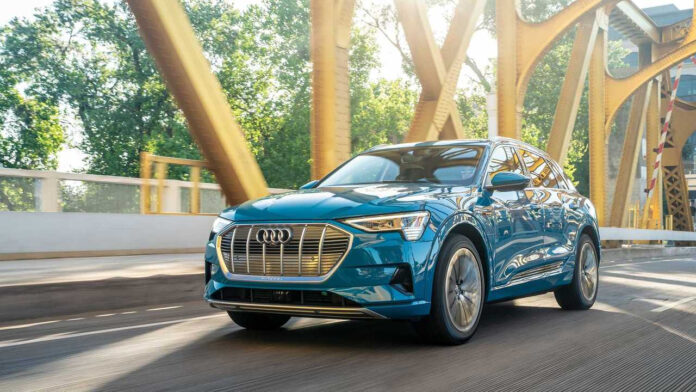
What you get with the Audi e-tron
The e-tron still feels like a high-end car, even after a few years on the road. That matters more than people expect once you start using it daily.
You get things like:
- noticeably better cabin materials and insulation
- more space for passengers and luggage
- smoother ride quality over long distances
- higher real-world comfort on highways
A typical e-tron also offers strong range figures for its class. Larger Audi electric models can reach well over 600 km WLTP depending on version, which is significantly more than small EVs .
That makes a difference if you drive longer routes regularly.
The trade-offs you need to accept
There is no way around the downsides. A used premium EV still carries premium running expectations.
Costs show up in areas like:
- higher electricity consumption than smaller EVs
- more expensive tires and maintenance
- potential battery degradation concerns depending on age
- faster depreciation if the market shifts
None of these are deal breakers, but they are real. You need to go in with clear expectations.
Why the Renault 5 E-Tech feels like the smarter everyday option

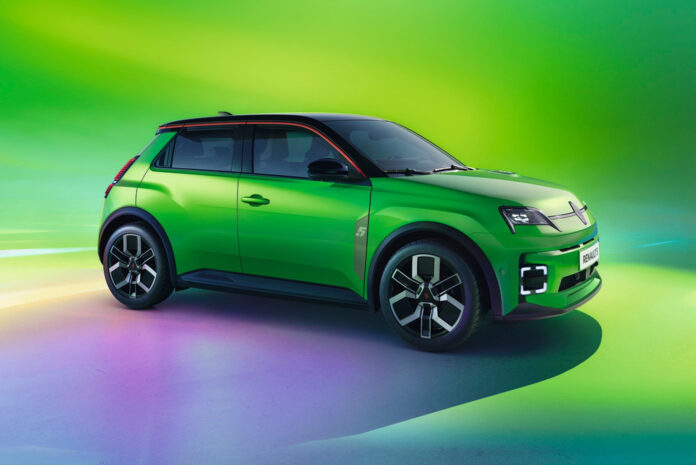
The Renault 5 E-Tech takes a very different approach. It is not trying to compete with large premium EVs. It is designed to be efficient, compact, and easy to live with.
That focus shows up immediately when you look at pricing. Entry versions sit around the €20,000 to €25,000 range depending on market and spec.
What works in its favor
The Renault 5 does a lot of things right for real-world use, especially if your driving is mostly urban or mixed.
Key strengths become obvious quickly:
- significantly lower purchase price
- better energy efficiency in daily driving
- lighter weight, which improves agility
- simpler ownership with fewer expensive components
Efficiency is a good example. Smaller EVs like the Renault 5 consume less energy per 100 km compared to larger Audi models, which directly reduces running costs over time .
That difference adds up if you drive often.
Where it falls short
You will feel the compromises, especially if you step out of a larger car.
The main limitations are straightforward:
- tighter rear seat space for passengers
- smaller boot capacity compared to SUVs
- shorter range, typically around 300 to 400 km WLTP
- less refined ride on long motorway journeys
None of these are surprising. The Renault 5 is built as a compact city car, not a long-distance cruiser.
Side-by-side: what you are really comparing
At this point, it helps to step back and look at the differences clearly.
| Category | Used Audi e-tron | New Renault 5 E-Tech |
| Price | Mid-range used premium | Lower entry price |
| Range | Up to 600 km+ depending on model | Around 300 to 400 km |
| Efficiency | Higher consumption | More efficient |
| Space | Large SUV practicality | Compact hatchback |
| Comfort | Strong highway comfort | Better in city driving |
| Ownership cost | Higher overall | Lower overall |
What stands out is how different these cars actually are. This is not a direct like-for-like comparison. It is more about choosing a type of ownership experience.
A cheaper purchase price does not always mean better value. The real cost shows over time through energy use, maintenance, and depreciation.
Driving experience: where expectations shift
Driving both cars back to back changes your perspective quickly.
The Audi feels heavier but more stable. It suits long drives, highway cruising, and carrying people comfortably. The weight and size are noticeable in city traffic.
The Renault 5 feels light and responsive. It is easier to park, easier to maneuver, and more relaxed in tight urban conditions. On longer drives, it feels less substantial.
That difference is not about which one is better. It depends entirely on where you spend most of your time driving.
Ownership over three years: the hidden factor
Most people focus too much on the purchase price. What matters more is what happens after you buy the car.
With the Audi e-tron:
- depreciation may continue, but slower than when new
- running costs stay relatively high
- resale value depends heavily on battery condition
With the Renault 5:
- depreciation starts from new, but from a lower base
- running costs stay consistently low
- warranty coverage gives more peace of mind
If you plan to keep the car for a few years, the Renault often ends up being easier to manage financially.
So which one actually gives more for the money
There is no single answer that fits everyone, but there is a clear pattern.
If you value comfort, space, and long-distance capability, the used Audi e-tron gives you more car for the money. You are getting a higher class vehicle at a reduced price.
If you care about lower costs, simplicity, and daily usability, the Renault 5 E-Tech offers better value. It is easier to live with and cheaper to run.
The decision comes down to how you use your car most days. Not what looks better on paper.
Final thoughts
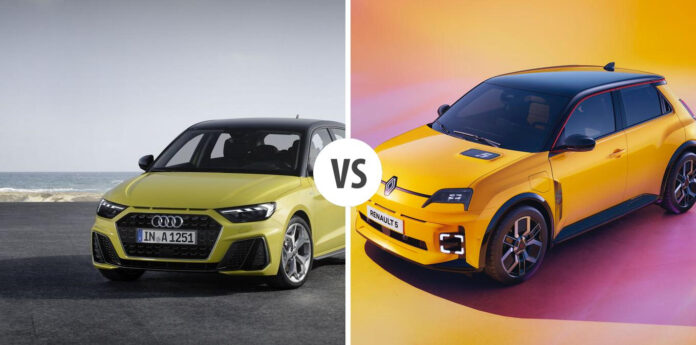
If your driving is mostly city based with occasional longer trips, the Renault 5 makes more sense financially and practically. It does the basics well and keeps ownership simple.
If you regularly drive longer distances or need more space, the Audi e-tron still feels like a step up. Even used, it delivers a level of comfort and refinement that smaller EVs cannot match.
The key is being honest about your needs. That is where the real value shows up.
FAQs
Is a used Audi e-tron reliable long term
Most models are generally reliable, but battery health and warranty coverage are important factors. Always check service history and battery condition before buying.
Does the Renault 5 E-Tech qualify as a family car
It can work for small households, but rear space and boot size limit its practicality for larger families.
Which car is cheaper to charge
The Renault 5 is more efficient, so it typically costs less per kilometer in electricity.
Is depreciation worse on a new Renault 5
It will depreciate faster initially, but from a much lower starting price compared to a premium EV.
Can the Audi e-tron still feel modern inside
Yes. The interior quality and tech still feel competitive, especially compared to smaller, budget-focused EVs.