
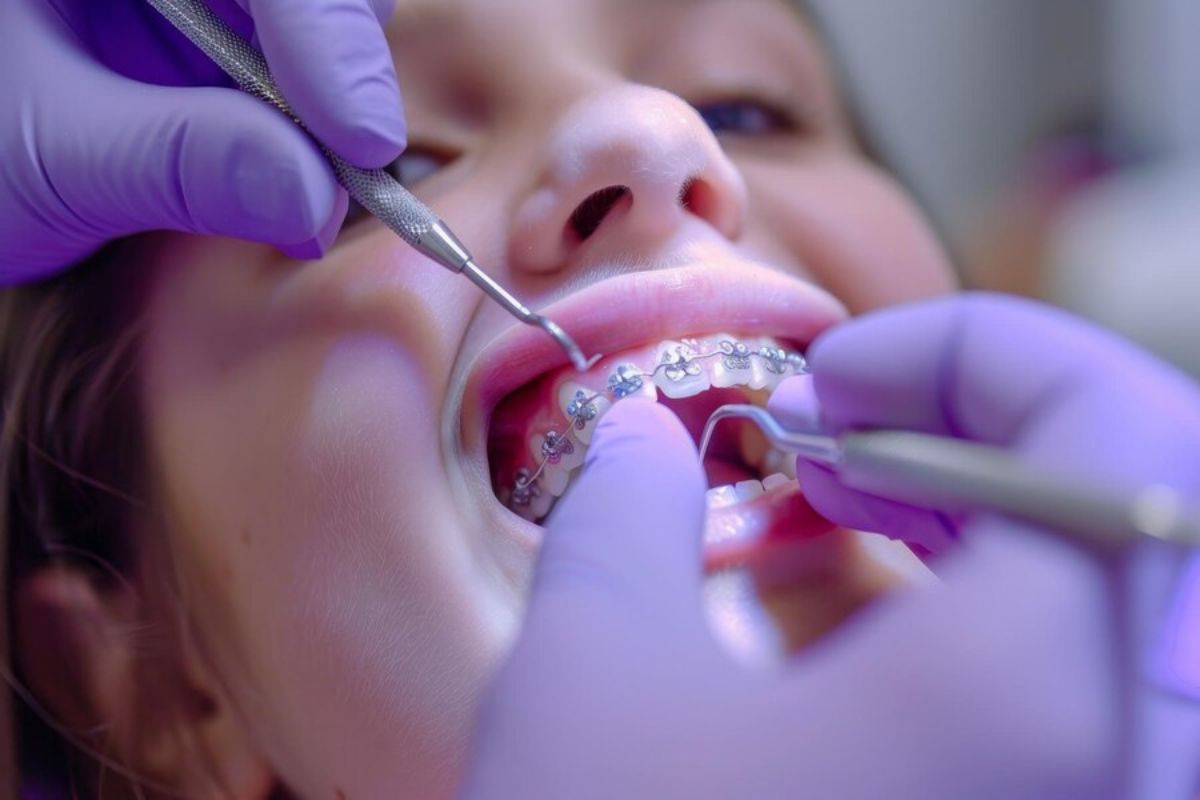
Helping your child achieve a healthy, confident smile is a journey that often starts earlier than many parents expect. Orthodontic care is not just about straight teeth, it also supports proper jaw development, speech, and long-term oral health.
Understanding when to begin, what treatment options exist, and how much it may cost can make the process feel far less overwhelming.
This guide walks you through each stage with clarity, so you can make informed decisions without second-guessing.
When Should Children Start Orthodontic Care?
Many parents assume braces come into play only during the teenage years, but early evaluation is key. The American Association of Orthodontists recommends that children have their first orthodontic checkup around age 7. At this stage, a mix of baby and permanent teeth allows orthodontists to detect developing issues.
Early visits do not always mean immediate treatment. Instead, they help monitor growth and plan ahead. Some children benefit from early intervention, while others may wait until more teeth erupt.
Understanding the Timeline of Treatment
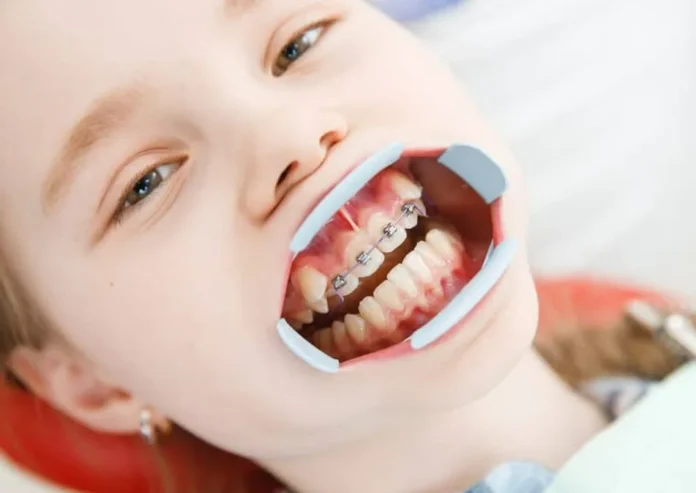
Orthodontic treatment for children typically happens in phases, depending on their needs and development. Not every child requires both phases, but understanding the structure helps set expectations.
| Phase | Age Range | Purpose |
| Phase 1 (Early) | 7–10 years | Correct jaw growth and severe issues |
| Resting Period | 10–12 years | Monitor development |
| Phase 2 (Full treatment) | 11–15 years | Align permanent teeth |
Phase 1 focuses on guiding jaw development, while Phase 2 addresses alignment and bite correction once permanent teeth are in place.
After treatment, retainers are essential to maintain results.
Early orthodontic intervention can reduce the likelihood of tooth extractions later by creating enough space for permanent teeth to grow properly.
This structured timeline ensures treatment is both efficient and tailored to your child’s growth.
Types of Orthodontic Treatment Available
Modern orthodontics offers several options, making treatment more comfortable and discreet than ever before. Choosing the right solution depends on your child’s needs, lifestyle, and age.
When exploring solutions, many parents begin by researching trusted providers of orthodontic treatment to better understand personalized care plans and available technologies.
Common treatment options
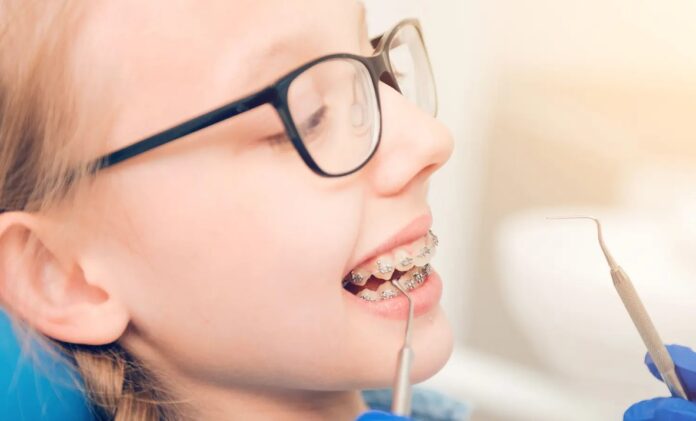
- Traditional metal braces
Durable and effective for complex cases - Ceramic braces
Less visible, blend with tooth color - Clear aligners
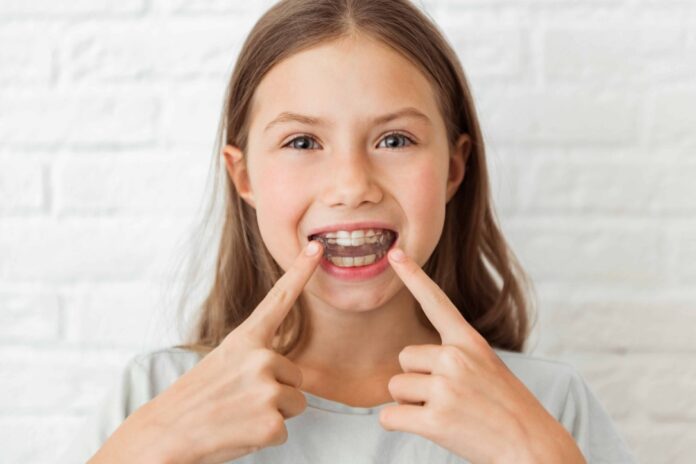
Removable and nearly invisible, best for mild to moderate cases - Functional appliances
Used in younger children to guide jaw growth
Each option has advantages, and an orthodontist will recommend the most effective approach based on clinical needs rather than aesthetics alone.
Costs and What Influences Them
The cost of orthodontic treatment for children varies widely, typically ranging between $3,000 and $7,000 depending on complexity, duration, and location. While this may seem significant, understanding what drives these costs helps you plan better.
Key factors affecting cost
- Severity of the dental issue
- Type of braces or aligners chosen
- Length of treatment
- Geographic location of the clinic
- Experience of the orthodontist
Many clinics offer flexible payment plans, and some insurance policies partially cover orthodontic care.
Did you know?
According to the American Dental Association, orthodontic treatment is considered medically necessary in many cases, which is why some insurance plans include partial coverage.
Discussing financing options early can make treatment far more manageable.
Frequently Asked Questions
1. At what age is it too late for early orthodontic treatment?
Early orthodontic treatment is most effective between ages 7 and 10, but if this window is missed, treatment can still be successful later. Orthodontists can adapt plans for older children and teens, though early intervention may reduce complexity.
2. How often will my child need to visit the orthodontist?
Most children visit the orthodontist every 4 to 8 weeks during active treatment. The exact schedule depends on the type of appliance used and how the teeth are responding.
3. Are there any risks associated with orthodontic treatment?
Orthodontic treatment is generally safe, but poor oral hygiene can lead to issues like cavities or gum inflammation. Following care instructions minimizes these risks significantly.
4. Can my child continue playing sports with braces?
Yes, children can safely play sports while wearing braces. It is recommended to use a mouthguard to protect both the braces and teeth from potential injury.
5. What foods should be completely avoided during treatment?
Hard foods like nuts, popcorn, and ice, as well as sticky items like caramel or chewing gum, should be avoided because they can damage braces or get stuck in them.
6. Will orthodontic treatment affect my child’s speech?
There may be a short adjustment period, especially with appliances like aligners or expanders, but speech typically returns to normal quickly as the child adapts.
Conclusion
A thoughtful approach to orthodontic care can set your child up for a lifetime of healthy smiles. By understanding the timeline, available treatment options, and the factors that influence costs, you can make well-informed decisions with confidence.
Early evaluation, the right choice of treatment, and consistent support throughout the process all play a key role in achieving the best possible results.
With the right guidance and planning, orthodontic care becomes not just a necessity, but a valuable investment in your child’s long-term health, comfort, and self-esteem.