
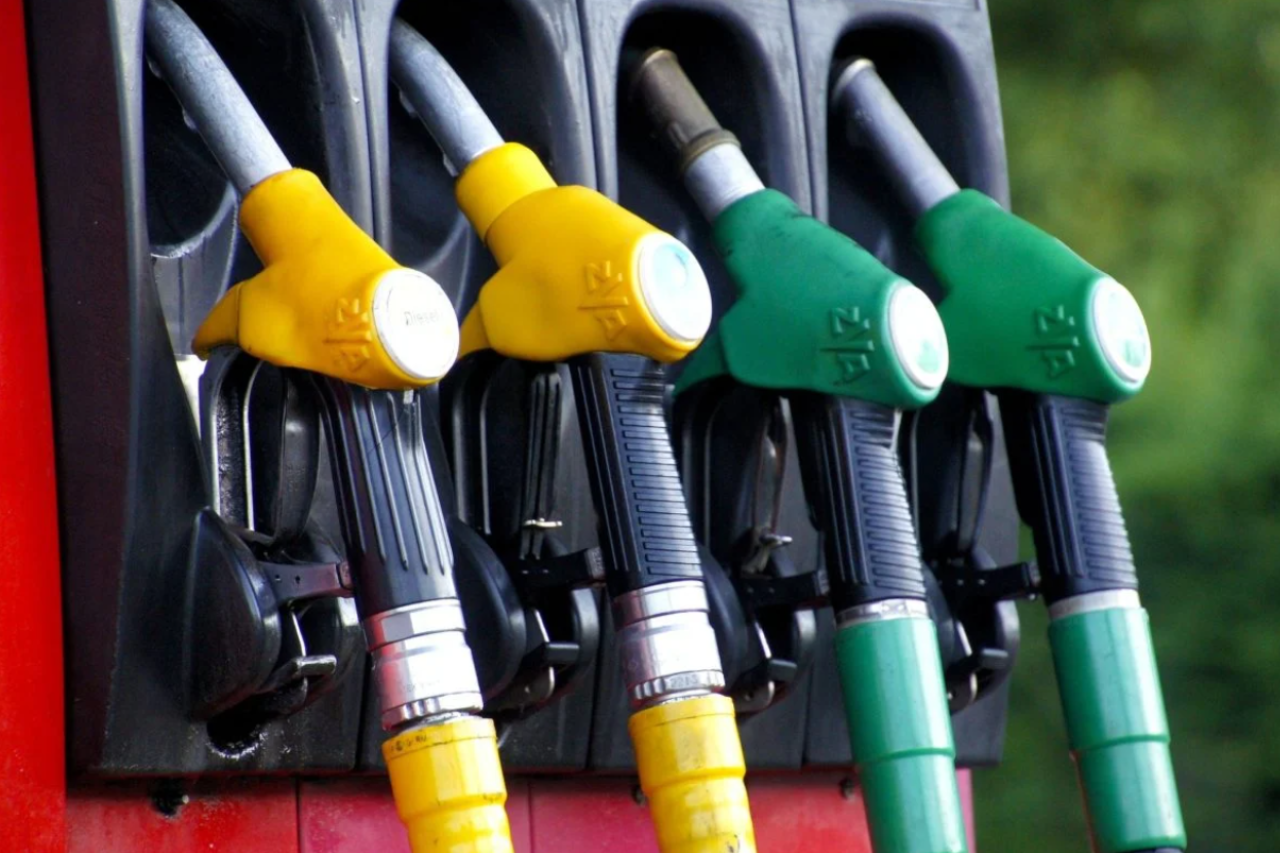
Did you know diesel fuel stored in tanks can degrade or become contaminated within months if storage conditions are poor? Exposure to water, heat, and microbes can significantly reduce fuel quality and damage engines over time. A number of studies on fuel storage highlight microbial contamination as a persistent issue in diesel tanks, especially when moisture enters the system.
If your construction site, farm equipment, or backup generator relies on diesel, the timing and preparation of fuel delivery matter more than many operators realize. Scheduling a drop might seem straightforward. A truck arrives, fills the tank, and leaves. In practice, several operational details must align to make the process smooth and safe.
Before placing an order, it helps to understand how fuel type, site access, storage capacity, and delivery logistics work together. Good preparation prevents contamination, reduces downtime, and keeps equipment running without interruption.
Confirm the Type of Diesel You Need
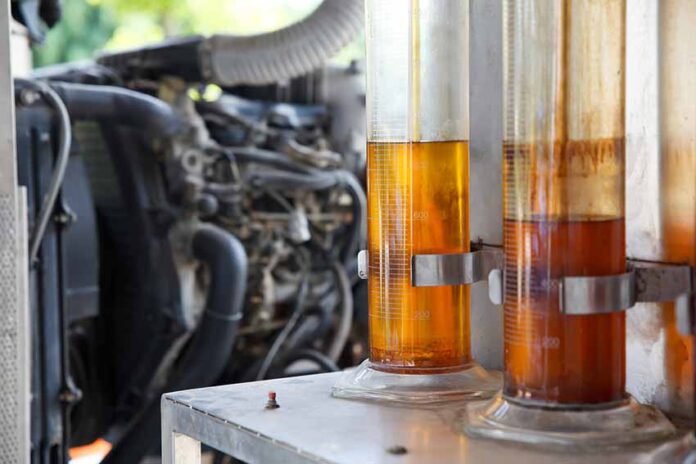
Not all diesel fuel is the same, and ordering the wrong type can cause mechanical or regulatory issues. The fuel required depends on how and where your equipment operates.
A short overview helps clarify the differences:
- Clear diesel is used for on-road vehicles such as trucks and commercial fleets.
- Red dye diesel is intended for off-road equipment like tractors, construction machines, and generators.
- Specialized generator diesel may be treated differently depending on long-term storage needs.
Mixing these fuels is more than a minor mistake. Using dyed fuel in on-road vehicles can violate tax regulations, while using the wrong fuel grade may affect engine performance.
When planning diesel delivery, double-check the specification your equipment requires. This step avoids compliance problems and ensures the fuel performs as expected.
Calculate the Correct Fuel Volume
Ordering diesel delivery without calculating consumption is a common mistake in busy operations. A delivery that arrives too early wastes capacity. One that arrives too late can stop work entirely.
Several factors influence the right order size:
- Total tank capacity available on site
- Average daily fuel consumption from equipment
- Delivery frequency allowed by your supplier
Some managers keep a simple consumption chart to estimate weekly usage.
| Equipment Type | Average Daily Fuel Use |
| Excavator | 40–60 liters |
| Tractor | 20–40 liters |
| Generator | 15–30 liters |
Tracking these numbers helps determine whether a delivery should be scheduled weekly, biweekly, or monthly.
Businesses that regularly coordinate drops often work with experienced suppliers such as Anytime Fuel Pros because reliable scheduling reduces the risk of running out of fuel during critical operations. Proper planning keeps fleets moving and generators ready when power is needed.
Make Sure Your Storage Tank Is Ready
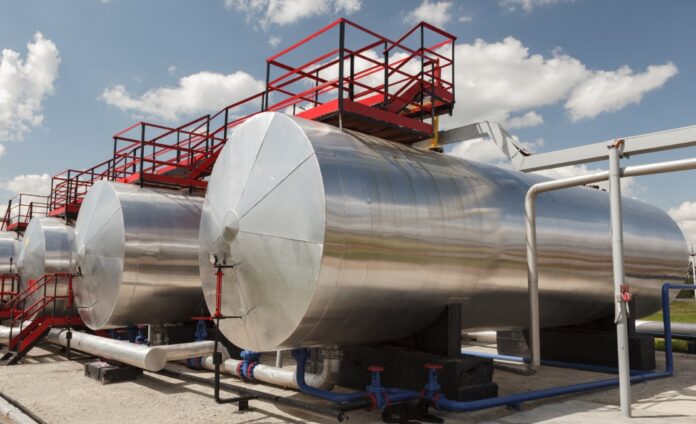
Before scheduling diesel delivery, inspect the storage tank that will receive the fuel. Even small issues can lead to contamination or leaks during filling.
A proper tank inspection usually includes the following checks:
- Exterior condition of the tank
- Operational valves and vents
- Secure fittings and hoses
- Adequate remaining capacity
Diesel fuel should be stored in clean, sealed tanks made from corrosion resistant materials to avoid chemical reactions or contamination.
If tanks are poorly maintained, contaminants can enter through damaged seals or fittings. Maintenance teams often check fill points and vents to ensure they remain tightly sealed.
Routine inspections make delivery day faster and safer for both operators and drivers.
Provide Clear Access for the Delivery Truck
Fuel delivery trucks are large vehicles that require proper maneuvering space. When access is restricted, deliveries may be delayed or rescheduled.
Site managers should evaluate the approach route ahead of time. Important factors include:
- Road width and surface condition
- Turning space for large trucks
- Gate clearance and access codes
- Delivery hours permitted on site
On farms and construction areas, muddy or uneven ground can prevent a truck from reaching the tank safely. Some companies adjust truck size depending on site conditions, but clear access remains essential.
Preparing the site in advance helps drivers complete the transfer safely and prevents operational disruptions.
Understand Fuel Storage Safety Rules
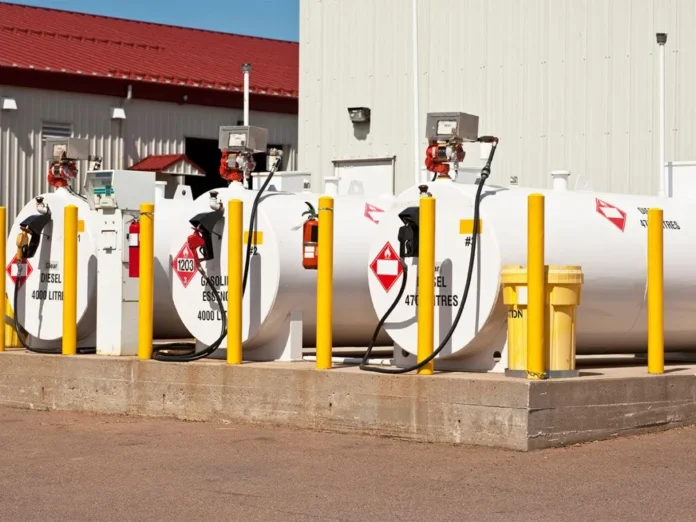
Diesel is less volatile than gasoline, but it still requires careful storage practices. Many regions enforce regulations on tank placement and containment.
Basic safety guidelines often include:
- Tanks positioned away from ignition sources
- Secondary containment systems for spill prevention
- Stable, level surfaces for tank placement
For example, certain fuel storage guidelines recommend maintaining distance between tanks and buildings to reduce fire risks and environmental damage.
Failure to follow these rules may result in regulatory penalties or environmental hazards. Reviewing local storage regulations before ordering diesel delivery helps ensure compliance.
Prevent Fuel Contamination
Fuel contamination is one of the most common problems in diesel storage systems. Water, dirt, and microbial growth can reduce fuel quality and damage engines.
Contamination often occurs when moisture enters the tank through condensation or poor sealing. Temperature changes allow humid air to enter tanks, where water condenses and settles into the fuel.
Several practices help reduce contamination risk:
- Inspect tank seals and access points regularly
- Drain accumulated water from tank bottoms
- Use filtration systems when necessary
Even small amounts of water can create conditions for microbial growth in diesel fuel systems, leading to clogged filters and engine problems.
Maintaining clean tanks protects both fuel quality and equipment reliability.
Plan the Delivery Schedule

Fuel deliveries should align with operational demand. Random ordering can cause shortages during busy periods or unnecessary storage during slow periods.
Most facilities analyze seasonal fuel demand,generator backup requirements and fleet fueling cycles, when planning deliveries.
For example, construction sites often schedule deliveries around heavy equipment usage. Farms may increase diesel delivery during planting or harvest seasons.
Recurring delivery schedules allow suppliers to plan routes efficiently and ensure fuel arrives before tanks run low.
Prepare Spill Containment and Safety Equipment
Even with experienced drivers, safety precautions remain essential during diesel transfer.
Delivery teams usually follow standard procedures, but site operators should also prepare basic safety tools. Common examples include:
- Spill containment kits
- Absorbent pads
- Fire extinguishers nearby
During fueling, operators often monitor the tank level while the driver controls the pump. This shared oversight prevents overfilling.
Clear safety procedures help reduce environmental risks and protect workers during the delivery process.
Track Fuel Usage
Monitoring diesel consumption provides valuable operational insights. Without tracking systems, it becomes difficult to detect fuel loss or unexpected demand changes.
Modern fuel management systems include digital tank sensors, remote monitoring software and manual fuel logs.
These tools help identify patterns such as increased consumption from aging equipment or potential fuel theft.
Tracking usage also improves delivery planning. Managers can forecast when the next diesel delivery should occur based on real consumption data rather than estimates.
Final Thoughts
Diesel delivery may look simple from the outside, but successful fuel logistics depend on preparation. Confirming fuel type, calculating usage, inspecting tanks, and maintaining safe storage conditions all contribute to reliable operations.
Businesses that plan deliveries carefully avoid common problems such as contaminated fuel, delayed drops, or unexpected downtime. When storage systems, site access, and delivery schedules are coordinated properly, diesel supply becomes a predictable part of daily operations rather than a last minute concern.