
Building an online store today is relatively easy. Building one that consistently generates revenue for years is something else entirely. The difference lies in how well your store is designed for growth, trust, and repeat business. Long-term sales are not driven by one tactic but by a system that combines strong foundations, smart marketing, and customer-focused experiences.
Modern ecommerce success relies on balancing three core levers: traffic, conversion, and retention. When all three work together, your store evolves from a simple website into a reliable revenue engine. The sections below break down how to create that kind of store from the ground up.
Start With a Scalable and Strategic Foundation
Before thinking about marketing or ads, your store needs a solid base that can grow with your business. This means choosing the right platform, structuring your site properly, and planning for long-term operations.
One of the most overlooked aspects of online store creation is scalability. If your store cannot handle growth in traffic, products, or transactions, you will hit a ceiling quickly. Platforms designed specifically for ecommerce offer built-in tools like inventory management, payment systems, and mobile optimization, all essential for sustainable growth.
Key elements to prioritize early:
- Mobile-friendly design
- Fast loading speeds
- Secure and simple checkout
- Clear product categorization
A well-built foundation directly impacts user experience, and that experience plays a major role in whether customers buy or leave.

Build for Conversions, Not Just Traffic
Getting visitors to your store is only half the job. Turning them into paying customers is where real growth happens. This is where conversion-focused design becomes essential.
Conversion marketing focuses on turning visitors into buyers by improving usability, messaging, and overall experience.
Every detail on your site should guide users toward making a purchase. From product images to checkout flow, small improvements can lead to significant gains.
High-impact conversion strategies:
- Use high-quality product visuals and detailed descriptions
- Simplify checkout with fewer steps
- Add trust signals like reviews and guarantees
- Offer clear return policies
Customer experience plays a major role in conversions. Even minor friction, such as slow loading or confusing navigation, can cause potential buyers to abandon their carts.
Invest in SEO and Long-Term Traffic Channels
Paid ads can bring quick wins, but sustainable growth comes from organic traffic. Search engine optimization helps your store attract high-intent customers who are already looking for what you sell.
SEO is not just about rankings. It improves site structure, content quality, and user experience, all of which contribute to higher conversions and long-term visibility.
Core SEO practices for ecommerce:
- Optimize product pages with relevant keywords
- Create helpful blog content around your niche
- Improve technical performance like speed and indexing
- Encourage customer reviews for fresh content
Unlike paid traffic, SEO compounds over time. The more you invest in it, the more consistent and cost-effective your traffic becomes.

Use Data and Goals to Guide Growth
A successful online store is not built on guesswork. It is built on measurable goals and continuous improvement. Tracking the right metrics allows you to identify what works and what needs adjustment.
Below is a simple framework for key ecommerce metrics:
| Metric | What It Measures | Why It Matters |
| Conversion Rate | % of visitors who buy | Indicates effectiveness of your store |
| Average Order Value | Revenue per purchase | Helps increase profitability |
| Customer Retention | Repeat purchases | Drives long-term growth |
| Traffic Sources | Where visitors come from | Optimizes marketing strategy |
Clear goals help you focus on meaningful improvements rather than random changes. Businesses that track and refine performance consistently make better decisions and achieve steady growth.
Focus on Customer Retention and Loyalty
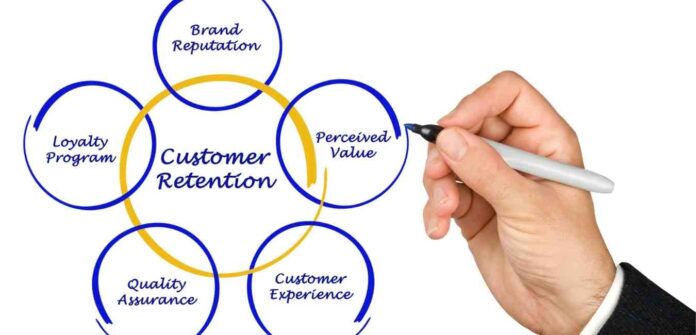
Many store owners focus heavily on acquiring new customers, but long-term sales come from keeping the ones you already have. Retention is one of the most powerful drivers of profitability.
Did you know?
Increasing customer retention by just 5% can boost profits significantly, sometimes up to 95%.
Returning customers tend to spend more, trust your brand, and convert faster.
Ways to improve retention:
- Email marketing with personalized offers
- Loyalty and rewards programs
- Excellent post-purchase support
- Product recommendations based on behavior
Building relationships with customers transforms one-time buyers into repeat customers, which stabilizes your revenue over time.
Create a System That Evolves With Your Business
An online store that supports long-term sales is never static. It evolves based on data, customer behavior, and market trends. Flexibility is key.
Successful ecommerce brands continuously:
- Test new ideas and optimize performance
- Expand into new channels like social commerce
- Personalize experiences for different audiences
- Adapt to changing customer expectations
Growth is not about one big strategy. It is about refining multiple small systems that work together.
Conclusion
In the end, building an online store that supports long-term sales is less about quick wins and more about creating a system that compounds over time. When your foundation is strong, your customer experience is smooth, and your marketing is intentional, growth becomes predictable rather than random.
The real advantage comes from retention. Even a small improvement can dramatically impact profitability, with studies showing that increasing retention by just 5% can boost profits by up to 95%. Focus on consistency, listen to your customers, and keep optimizing.
Over time, these small, deliberate improvements turn your store into a sustainable and scalable business.