Did you know that a significant number of commercial fire extinguishers fail inspections not because they were ever used, but because they were improperly stored, expired, or never serviced correctly in the first place? Fire protection equipment is often treated as a “buy it and forget it” purchase, yet it is one of the few safety tools expected to work perfectly after years of inactivity.
That reality is exactly why many buyers start asking a very practical question: is it safe, legal, and cost-effective to buy refurbished or used fire extinguishers instead of brand-new ones? If you are responsible for a workplace, rental property, warehouse, or even a small business, this decision carries more weight than it might seem at first glance. Below is a clear, experience-driven guide to what you should actually know before making that choice.
Refurbished versus used: understanding the difference that matters
At first glance, the terms “used” and “refurbished” may sound interchangeable, but in fire safety they are not. This distinction directly affects legality, performance, and inspection outcomes.
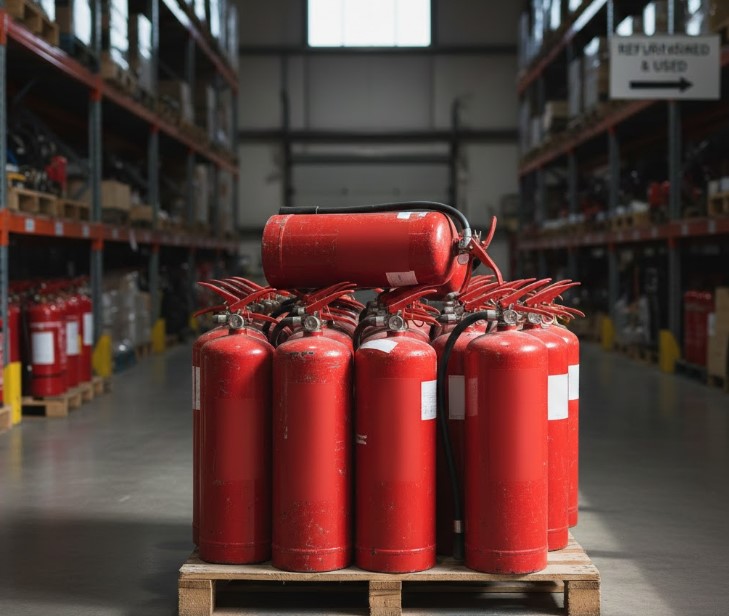
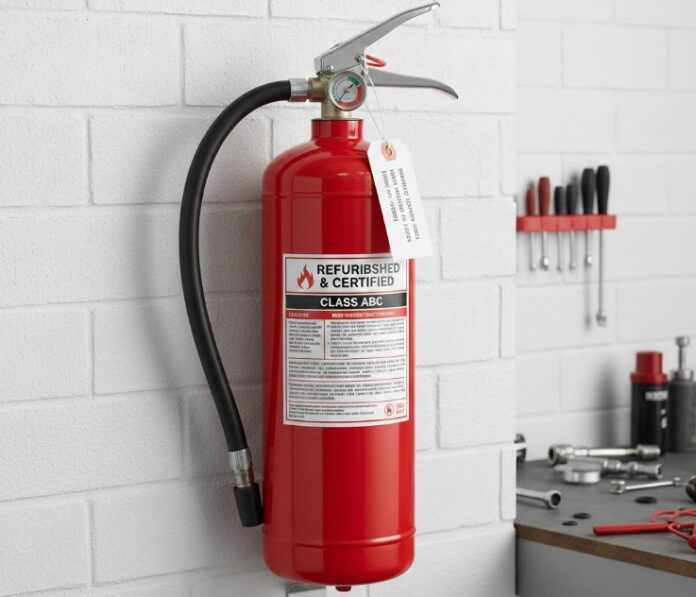
A refurbished fire extinguisher typically goes through a defined servicing process that includes internal inspection, pressure testing, valve replacement if needed, recharging, and relabeling. A used extinguisher, on the other hand, may simply be removed from a previous location with little to no verification of its internal condition.
To make the difference clearer:
- Refurbished units are disassembled, inspected, and tested according to safety standards.
- Used units may look intact externally but have unknown pressure integrity.
- Refurbished extinguishers are usually certified for redeployment.
- Used extinguishers often lack documentation or inspection tags.
The takeaway is simple. The value is not in the age of the extinguisher, but in the quality and traceability of the service work done on it.
Legal and compliance considerations you cannot ignore
Before buying anything, you need to understand the regulatory environment where the extinguishers will be installed. Fire safety laws vary by region, but most jurisdictions align with recognized standards such as NFPA guidelines or local fire authority codes.
In many cases, refurbished fire extinguishers are permitted, but only if they meet the same testing and labeling requirements as new units. Inspectors typically look for service tags, hydrostatic test dates, pressure readings, and visible certification markings.
Important compliance note: An extinguisher that has passed hydrostatic testing and has a current service tag is often treated the same as a new unit during inspection, regardless of its manufacturing date.
What is rarely acceptable is equipment with missing tags, expired test dates, or unclear service history. Buying a cheaper unit that fails inspection can end up costing more once replacement, fines, or downtime are factored in.
What a proper refurbishment process should include
Not all refurbishment is created equal. A reputable refurbishment process follows a structured checklist rather than cosmetic cleaning alone. Understanding these steps helps you evaluate sellers more effectively.
A complete refurbishment usually includes:
- Internal cylinder inspection for corrosion or damage
- Hydrostatic pressure testing when required
- Replacement of worn valves, hoses, or seals
- Proper recharging with the correct extinguishing agent
- New inspection tags and compliance labels
This process ensures that the extinguisher is mechanically sound, not just visually acceptable. If a seller cannot explain or document these steps, that is a warning sign. Transparency is often the easiest way to separate professional refurbishment operations from casual resellers.
Cost comparison: refurbished versus new extinguishers
Price is often the starting point, but it should not be the only factor. Refurbished units are usually less expensive upfront, but the real comparison is lifecycle cost.
| Aspect | Refurbished extinguisher | New extinguisher |
| Initial purchase cost | Lower | Higher |
| Compliance readiness | High if properly serviced | High |
| Expected service life | Moderate to long | Long |
| Environmental impact | Reduced waste | New manufacturing |
| Inspection risk | Low with documentation | Very low |
The table shows why refurbished options appeal to cost-conscious but compliance-aware buyers. When refurbishment is done correctly, the functional gap between refurbished and new units narrows significantly.
How to evaluate a seller before you buy
Choosing the right supplier matters more than choosing the right extinguisher model. A trustworthy seller should treat refurbishment as a safety service, not a clearance sale.
When evaluating a seller, look for:
- Clear explanation of refurbishment steps
- Proof of pressure testing and inspection dates
- Willingness to answer compliance questions
- Alignment with recognized fire safety standards
If communication feels vague or evasive, trust that instinct. Fire protection equipment is not the place for assumptions. A credible seller understands that buyers may be cautious and welcomes detailed questions.
Risks of cutting corners with uncertified used equipment
The biggest risks of buying uncertified used extinguishers are invisible until something goes wrong. Pressure loss, internal corrosion, or compromised discharge mechanisms are not obvious from the outside.
Common problems with uncertified units include:
- Slow discharge or failure to activate
- Incorrect pressure levels
- Internal rust that weakens the cylinder
- Missing or falsified inspection records
These risks do not just affect safety, they affect liability. In the event of a fire, non-compliant equipment can expose property owners and managers to legal consequences beyond the fire damage itself.
Environmental and sustainability considerations
There is also a sustainability angle worth acknowledging. Fire extinguishers are heavy steel cylinders with chemical contents. Extending their usable life through professional refurbishment reduces waste and lowers demand for new manufacturing.
For organizations with environmental goals, refurbished equipment can align with broader sustainability policies without compromising safety. The key is ensuring refurbishment meets the same technical standards as new production.
This is one of the few cases where cost savings and environmental responsibility can realistically overlap, provided quality controls are respected.
Who should and should not buy refurbished fire extinguishers
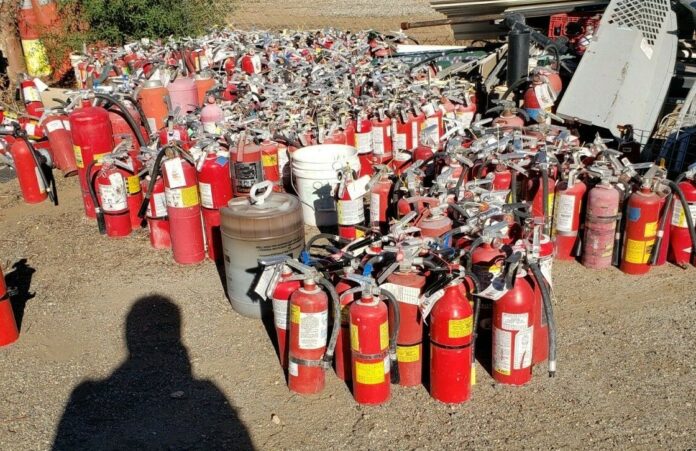
Refurbished extinguishers are not a universal solution, but they fit many real-world scenarios.
They are often suitable for:
- Small businesses and offices
- Warehouses and storage facilities
- Rental properties and apartment buildings
- Temporary or seasonal installations
They may be less appropriate for:
- High-risk industrial environments
- Specialized suppression systems
- Locations with unusually strict local codes
Matching the equipment to the risk profile is always more important than chasing the lowest price.
Final thoughts
Buying refurbished or used fire extinguishers is not inherently risky, but buying blindly is. The safest approach is to focus on documentation, testing, and seller credibility rather than age or appearance.
If a refurbished unit has been properly inspected, pressure tested, and certified, it can perform just as reliably as a new one in many settings. On the other hand, uncertified used equipment introduces unnecessary uncertainty into an area where certainty matters most.
Before you purchase, take the extra time to verify standards, ask direct questions, and think beyond upfront cost. Fire safety equipment exists for rare moments when everything else has gone wrong. When that moment comes, the extinguisher needs to work, not just look like it should.