
Every year, preventable workplace incidents quietly cost businesses far more than fines or insurance premiums. Lost productivity, staff turnover, legal exposure, and damaged trust often linger long after an injury report is closed. Many employers believe they understand workplace health and safety, yet in practice, it is still treated as a compliance exercise rather than a core business responsibility.
For employers, the real meaning of workplace health and safety is not found in policies alone. It shows up in how work is designed, how risks are managed, and how people are protected day after day. This article looks at what employers actually need to understand, beyond paperwork, to protect workers while maintaining stable and efficient operations.
Moving past checklists and compliance thinking

Workplace health and safety is often misunderstood as a collection of rules to satisfy regulators. In reality, it is a system designed to prevent harm by aligning procedures, behaviors, and decision-making. Employers who rely only on compliance documents tend to miss how work truly happens on the ground.
Real protection starts with understanding everyday tasks, pressure points, and human behavior. When systems are disconnected from reality, risks slip through unnoticed. This is why many organizations seek outside guidance to assess gaps objectively. Working with a safety advisor Brisbane businesses rely on, can help translate legal duties into practical controls that actually fit the workplace, rather than generic templates.
Compliance sets the baseline. Effective protection goes further by adapting to changing conditions, new equipment, and evolving workforce needs.
Employer duties under workplace health legislation
Employers carry a legal duty of care that cannot be delegated away. This responsibility requires taking reasonable steps to prevent injury or illness connected to work activities. Laws vary by region, but the underlying obligation remains consistent across industries.
Key employer responsibilities typically include:
- Providing work environments that minimize foreseeable harm
- Maintaining equipment and systems that support safe operation
- Identifying hazards before they cause incidents
- Offering clear instruction and adequate supervision
- Consulting workers when risks or processes change
Failing to meet these duties exposes businesses to penalties, prosecutions, and civil claims. More importantly, it places workers at unnecessary risk. Legal responsibility evolves as the business grows, meaning yesterday’s controls may no longer be adequate tomorrow.
Key definition: “Reasonably practicable” means balancing the likelihood and severity of harm against available control measures, cost, and feasibility.
Why leadership behavior shapes workplace outcomes

Protective systems are only as strong as the leadership behind them. When managers treat risk prevention as secondary to deadlines or output, workers receive a clear message about priorities. Conversely, visible leadership involvement reinforces that worker wellbeing matters.
Leadership influence is reflected in:
- How quickly hazards are addressed
- Whether unsafe work is stopped without backlash
- How incidents are discussed and investigated
- Whether workers feel heard when raising concerns
Workplace health and safety outcomes improve when leaders actively participate rather than delegate responsibility entirely to HR or compliance teams. Culture is built through consistent action, not slogans.
Risk management as an everyday business process
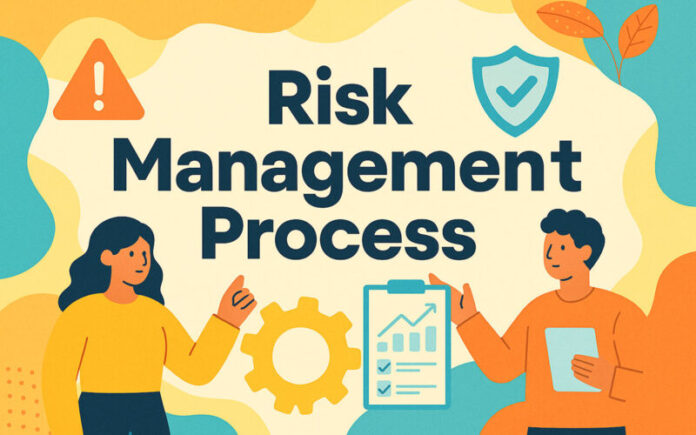
Risk management is not a one-off exercise completed during audits. It is a continuous process embedded into daily operations. Employers must understand where harm could occur and how likely it is under real conditions.
Common risk categories include:
- Physical strain, machinery, and moving equipment
- Exposure to hazardous substances or environments
- Fatigue, workload pressure, and poor communication
- Environmental factors such as heat or confined spaces
| Risk stage | Practical focus | Business benefit |
| Identification | Spotting hazards early | Prevents incidents |
| Assessment | Evaluating severity and likelihood | Prioritizes resources |
| Control | Reducing exposure | Protects workers |
| Review | Monitoring effectiveness | Supports improvement |
Without structured risk management, incidents become predictable rather than preventable.
Training alone does not guarantee capability
Many employers assume training completion equals readiness. In practice, attendance does not ensure that workers can perform tasks correctly under pressure. Capability develops through reinforcement, supervision, and experience.
Effective learning systems include:
- Task-specific instruction tied to real scenarios
- Observation and feedback during work activities
- Refresher sessions when conditions change
- Verification that workers can apply knowledge
Employers must ensure that workers understand not just what to do, but why controls exist. This understanding reduces shortcuts and improves consistency across teams.
Psychological health as part of workplace responsibility

Workplace health extends beyond physical injury prevention. Psychological strain, fatigue, and stress directly affect concentration, decision-making, and error rates. Ignoring these factors undermines all other protective efforts.
Employers are increasingly expected to address:
- Excessive workloads and unrealistic deadlines
- Poor communication or role ambiguity
- Workplace conflict or isolation
- Long hours without adequate recovery
Did you know?
Organizations that actively manage psychological risks report lower absenteeism and improved operational reliability, not just better morale.
Supporting mental wellbeing does not require complex programs. It often starts with realistic planning, respectful leadership, and access to support when pressures rise.
Learning from incidents instead of assigning blame
How employers respond to incidents shapes reporting behavior. Blame-driven responses discourage openness, while learning-focused approaches strengthen prevention systems.
Effective incident management involves:
- Encouraging early reporting of near misses
- Investigating underlying causes rather than individuals
- Sharing lessons across teams
- Updating procedures where gaps are found
Near misses are particularly valuable signals. Treating them seriously allows employers to intervene before someone is harmed.
Measuring protection beyond injury statistics
Relying only on injury rates provides a narrow view of workplace conditions. These figures reflect past outcomes, not future risk. Employers benefit from tracking indicators that show how well systems are functioning in real time.
Useful leading indicators include:
- Frequency of hazard reporting
- Completion of workplace inspections
- Participation in training updates
- Follow-through on corrective actions
Combining leading and lagging indicators provides a clearer picture of organizational health and resilience.
Why protecting workers supports long-term business stability

Strong workplace health and safety systems protect more than employees. They stabilize operations, reduce costly disruptions, and build trust with clients and regulators. Businesses that invest in prevention experience fewer shutdowns, lower insurance exposure, and stronger workforce retention.
Employers who integrate protection into everyday decision-making move beyond compliance and into operational maturity. When workers feel protected and supported, performance becomes more consistent and sustainable.
Ultimately, workplace health and safety is not a side obligation. It is part of how responsible employers run resilient, ethical, and effective organizations.