
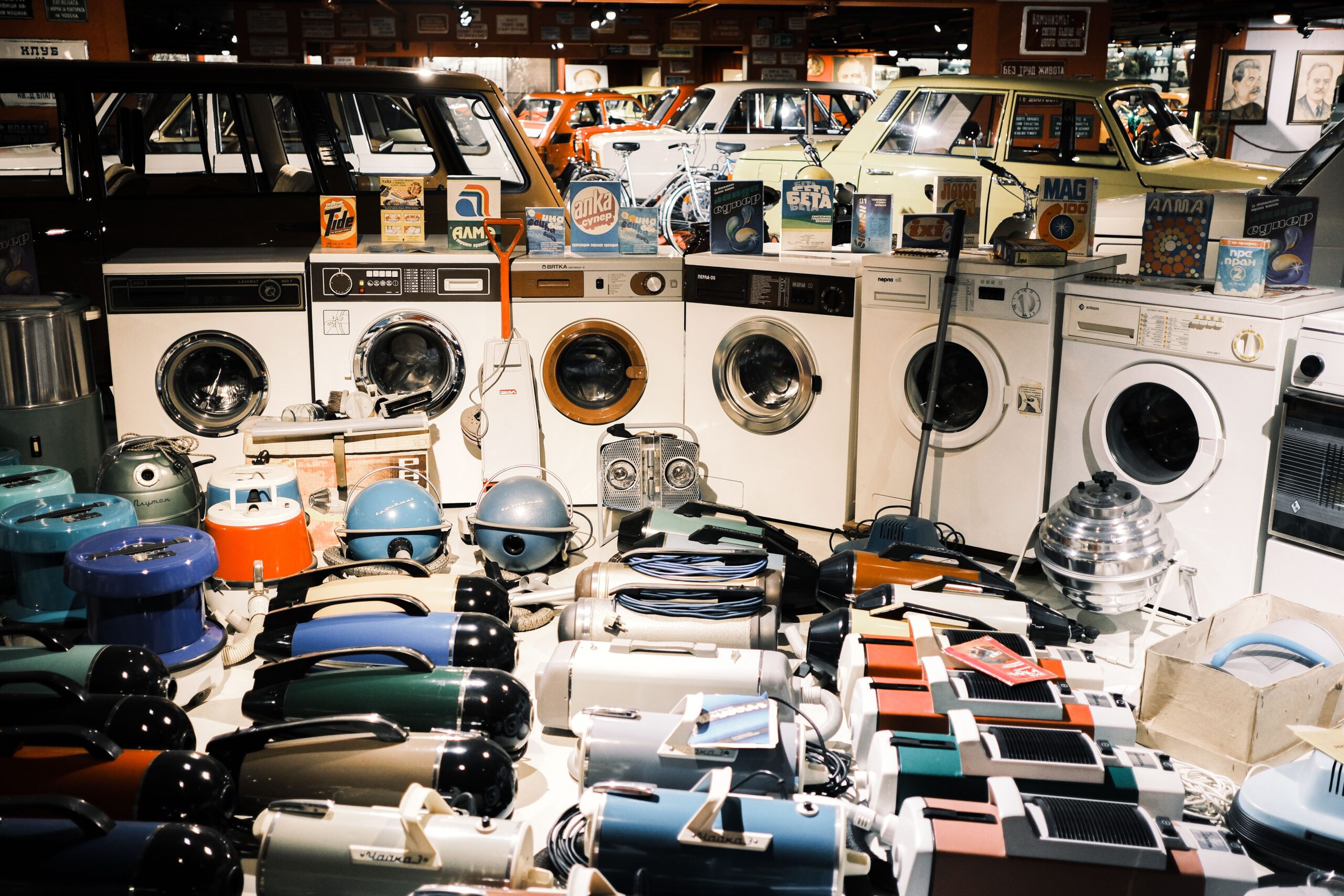
Clearing an old fridge, washer or cooker is not a last-minute moving-day job. Collection services may require a booking, a specific set-out location or a clear path to the appliance, and a unit left full of food or water can be refused. Start early, confirm what the collector will take, then prepare each appliance for the route it is actually following: reuse, retailer take-back, council collection or another authorised service.
Book the collection before emptying the kitchen
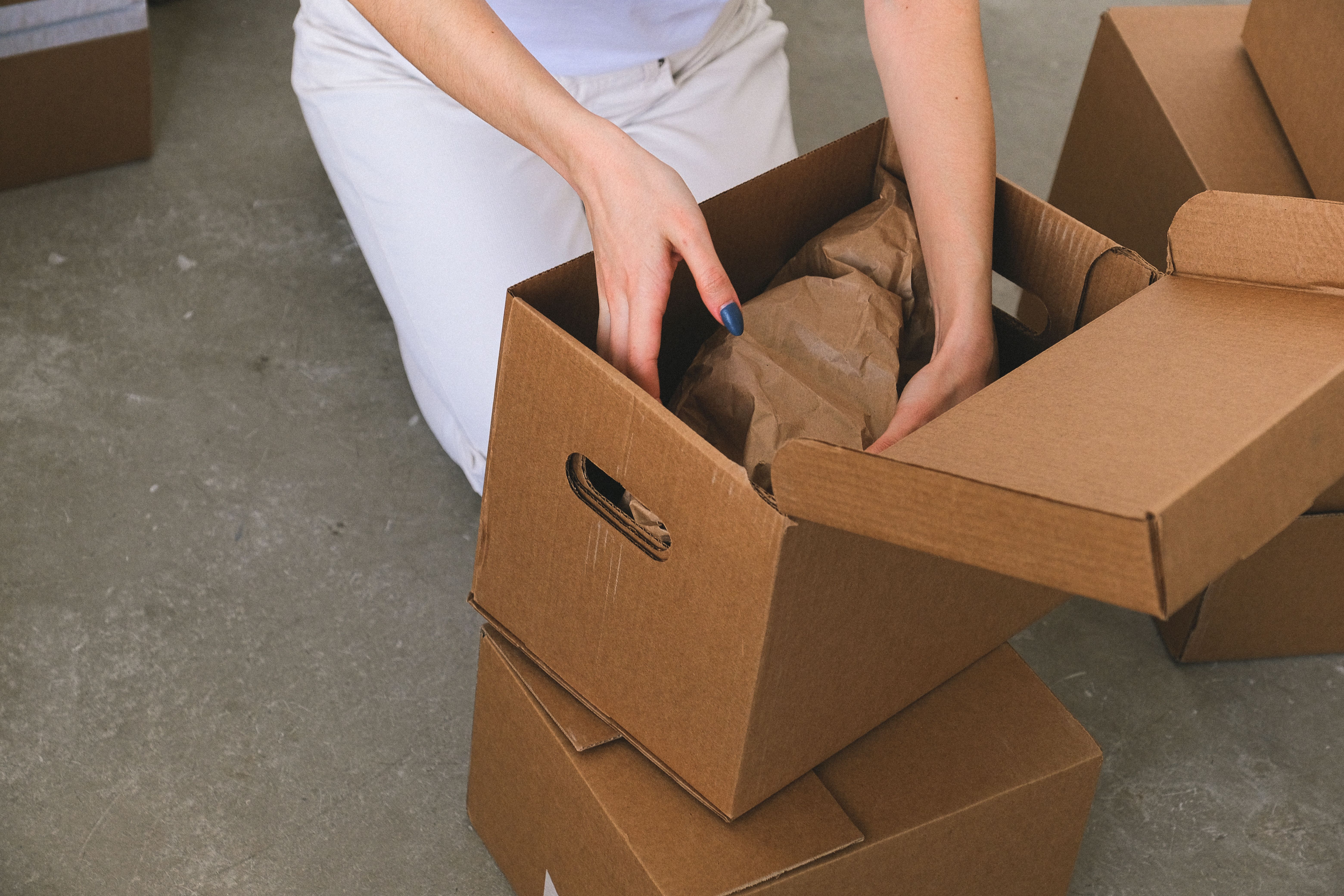
Sorting appliances while you plan the move leaves time to book a collection and clear the route.
First, list every appliance you will not take: type, approximate size, condition and whether it is built in. Send that list to the collector and ask about accepted items, the date, access requirements, charges and whether the unit must be disconnected beforehand. “Free collection” can mean different things. A retailer must accept an old electrical product for free on a like-for-like basis when you buy a replacement; this is not a general free-removal service for every unwanted appliance.
Check your council’s rules as well. Collection schedules, what must be placed at the kerb, and whether a service costs money differ by area. Bristol City Council, for example, asks residents using its bulky collection to empty and clean fridges and freezers, and to place booked items where they are visible and accessible without steps. Its bulky item collection instructions are a useful reminder to check the fine print before arranging transport. For the wider move, Tu.tv’s moving-day checklist can help you coordinate this task with packing and utility changes.
Decide whether it is waste or still useful
A working appliance may be more valuable as a second-hand item than as scrap. Offer it to a reuse organisation, charity or local buyer only after confirming that they accept that model, condition and age. Be candid about faults, missing shelves, noisy cycles or unreliable controls; a clear description prevents a “donation” from simply becoming someone else’s disposal problem.
If it is broken or uneconomical to repair, arrange an appropriate electrical-waste route rather than leaving it beside household bins. The UK government says electrical products should go to an appropriate collection point, not household rubbish, and notes that retailers must take an old product free when supplying a new one on a like-for-like basis. That matters because appliances contain materials that can be recovered, while some components need specialist handling.
If the appliance is still connected, establish who is responsible for disconnecting it. Unplug ordinary plug-in equipment only when it is safe and dry to do so. Do not pull out a hard-wired cooker or interfere with gas fittings yourself; ask a qualified professional or the collector what arrangement is required.
Empty, defrost and clean what the collector needs to handle
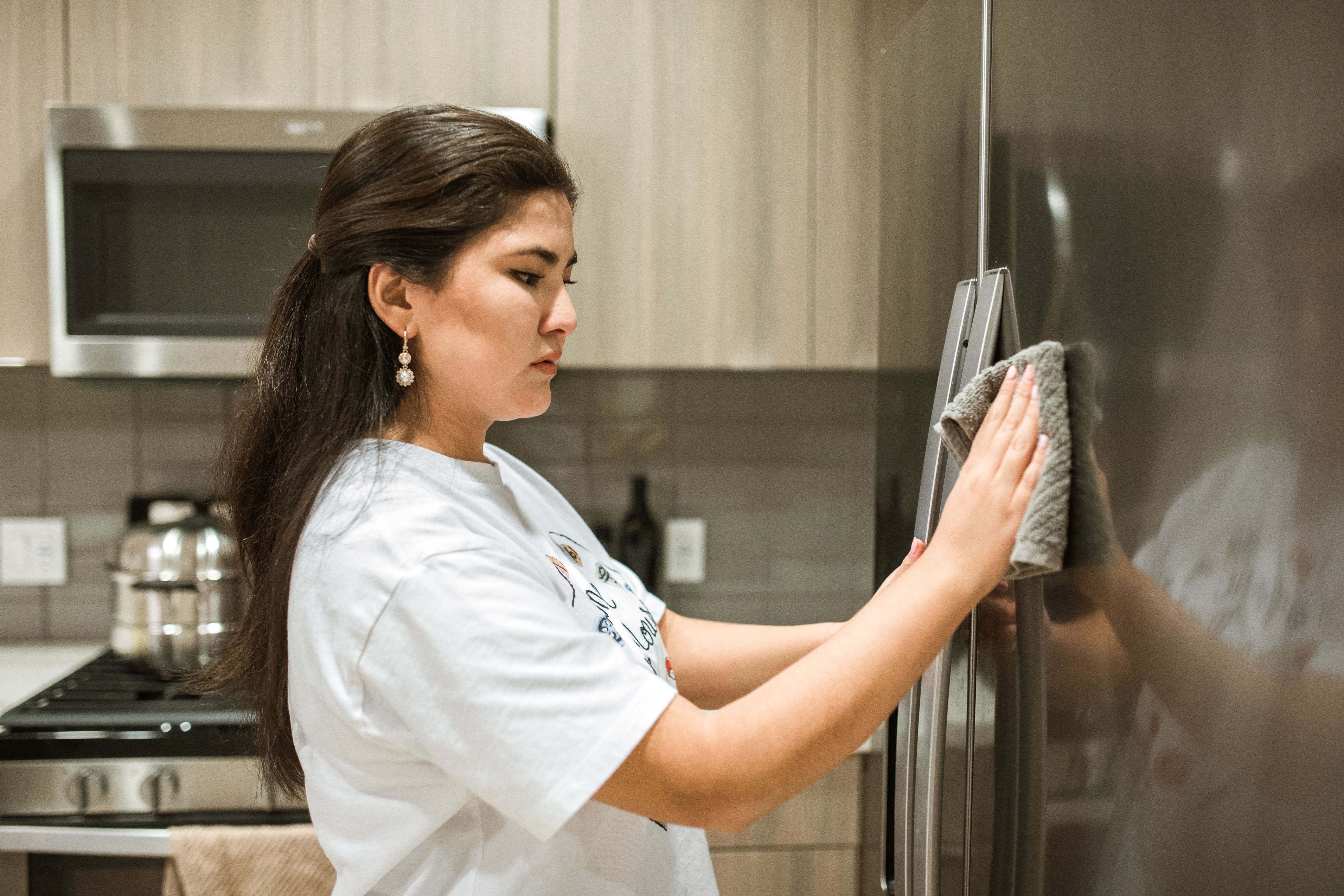
Wiping shelves and drying the interior helps leave a refrigerator ready for safe handling.
For a fridge or freezer, use up, donate or safely transfer the food well ahead of collection. Switch the appliance off in time for it to defrost completely, following the manufacturer’s instructions. Put towels down for meltwater, remove loose shelves and drawers if the collector asks you to, and dry the interior. A damp unit can leak in a vehicle; food residue and odours are unpleasant for anyone moving it. Keep the doors secured for transport, but do not leave an accessible discarded fridge with a door that could trap a child or animal.
For a washing machine or dishwasher, run a drain or empty cycle if the manual recommends it, then turn off the water supply and disconnect hoses only if you can do so safely. Drain leftover water into a suitable container and keep towels ready: hoses can retain more than expected. Keep hoses, fittings and any transit bolts together in a labelled bag. If you still have the washer’s transport bolts, refit them according to its manual; do not improvise with random screws, since the drum needs the right restraint for that model.
Remove loose items from ovens, microwaves and other appliances. Clean obvious spills, but do not spend an hour polishing a unit destined for recycling. The aim is a safe, empty appliance that can be identified and handled, not showroom condition.
Make the route out as clear as the booking
Measure doorways and tight turns, move rugs and boxes, and clear the path from the appliance to the agreed collection point. Tell the collector about stairs, narrow hallways, parking restrictions or a shared entrance when booking. A service may require the appliance to be outside or at kerbside and may not enter the home, so confirm this in advance rather than discovering it after the unit is unplugged.
Do not try to carry a large appliance alone. Fridges, cookers and washers are heavy and awkward; doors, handles and hoses are not safe lifting points. Use suitable help and lifting equipment, or leave removal to the booked team. Keep the route dry and free of children and pets while the appliance is being moved.
Choose a collector you can identify
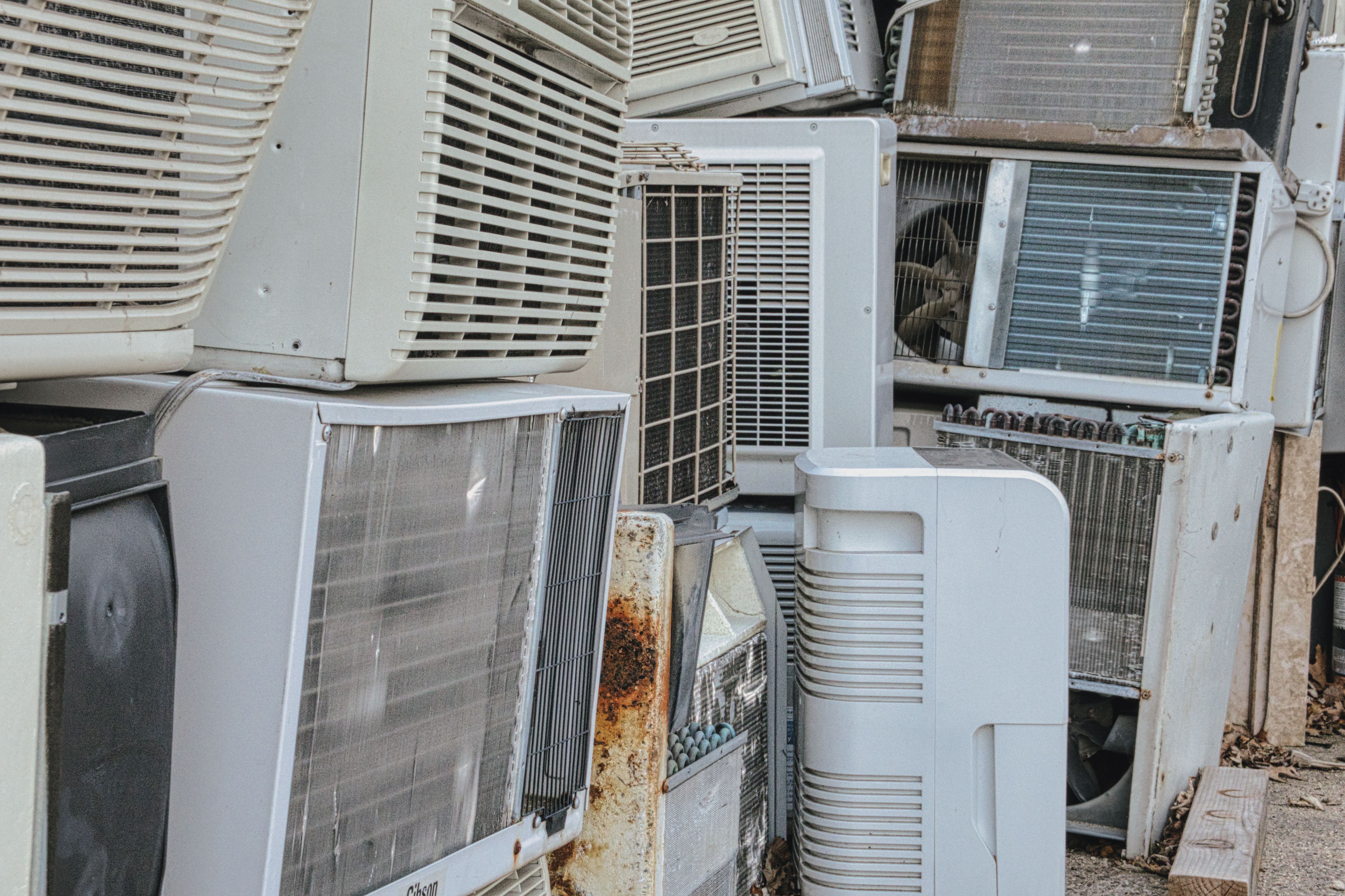
Damaged appliances should go through an authorised collection and recycling route.
If you use a private collector, check that they are authorised to carry waste and ask where the appliance will go. GOV.UK says householders must make sure a private waste business is registered; its household-waste disposal guidance explains the checks and warns that you may be penalised for handing waste to someone who is not allowed to take it. Keep the booking confirmation, receipt or registration details. A suspiciously vague advert, cash-only offer or refusal to say where the item is going is a reason to choose someone else.
For Bristol residents comparing local options, the phrase free scrap metal collection Bristol may help surface a collection service, but check directly whether it accepts your particular appliance and whether any conditions apply. Do not assume that “scrap metal” means every electrical item or cooling appliance is accepted; refrigerant-containing equipment may need a suitable specialist route.
A short handover checklist
- Confirm the appliance is listed on the booking and verify the date, access and set-out requirements.
- Remove food, water, loose fittings and personal items; clean and dry the appliance.
- Arrange safe disconnection, especially for gas or hard-wired equipment.
- Clear the carrying route and do not leave the item blocking a pavement or communal exit.
- Give it to a legitimate collector and keep a record of the handover.
The simplest move is not always the one where every old appliance goes into the same pile. Decide what can be reused, separate genuine waste, and book the correct route early. A little preparation means fewer missed collections, less last-minute lifting and a much better chance that a usable appliance gets another life.