
In 2024, global esports revenues crossed the one billion dollar mark, and projections show continued growth as media rights, sponsorships, and in game economies mature.
That raises a practical question for teams, organizers, and even fans following the scene closely.
Which esports titles are actually making the most money heading into 2026, and why? Profitability in esports is not just about prize pools.
It is shaped by publisher support, consistent viewership, sponsorship appeal, and how well a game converts attention into long term revenue.
Some titles excel at all of that, while others struggle despite massive hype.
Below is a grounded look at the esports games expected to remain the most profitable in 2026, with clear reasons behind each one.
Counter-Strike 2 and the power of an open ecosystem

Counter-Strike has survived multiple generations for one reason. Its competitive structure is brutally simple and endlessly watchable.
With Counter-Strike 2 fully established by 2026, the ecosystem remains one of the most profitable in esports.
What drives its revenue is not only the headline tournaments but the open circuit itself. Multiple tournament organizers, third party events, and skin based economies create income streams beyond publisher controlled leagues.
A key revenue pillar of Counter-Strike 2 is its in-game skin economy.
Weapon skins, stickers, and cases tied to major tournaments generate continuous marketplace activity, allowing Valve and teams to monetize esports engagement without relying solely on league structures or prize pools.
Key profit drivers include:
- High value sponsorships tied to tier one tournaments
- A mature skin marketplace that fuels engagement
- Stable viewership numbers across regions
Did you know: Counter-Strike events regularly generate millions in secondary revenue from in game item sales during major tournaments, a model few esports titles have replicated successfully.
Valorant esports and publisher controlled growth
Riot Games built Valorant esports with long term profitability in mind, not short term spectacle. By 2026, the franchised league system and strict revenue sharing model continue to pay off.
Valorant benefits from deep publisher involvement, predictable schedules, and strong brand safety for sponsors.
This makes it especially attractive for markets where esports betting and analysis are growing.
In regions such as Latin America and Europe, interest in apuestas esports valorant has expanded alongside official leagues, creating parallel ecosystems around the competitive scene without undermining Riot’s structure.
What makes Valorant financially strong:
- Revenue sharing between teams and publisher
- High sponsor retention due to controlled branding
- Strong crossover appeal from casual to competitive players
Fact: Valorant Champions Tour operates on a closed partnership model, reducing financial volatility for top teams while increasing long term sponsor confidence.
League of Legends and global scale economics

League of Legends remains the benchmark for global esports scale. While individual prize pools may not always top charts, overall profitability remains unmatched due to media rights, sponsorships, and merchandising.
The real strength of League of Legends lies in its regional leagues.
Each major region functions almost like a standalone sports market, complete with local sponsors and broadcast deals.
| Revenue stream | Why it matters |
| Media rights | Long term contracts stabilize income |
| Sponsorships | Global and regional brands coexist |
| Merchandising | Strong team and league identity |
This layered model means that even if one region slows down, others compensate, keeping total revenue high year after year.
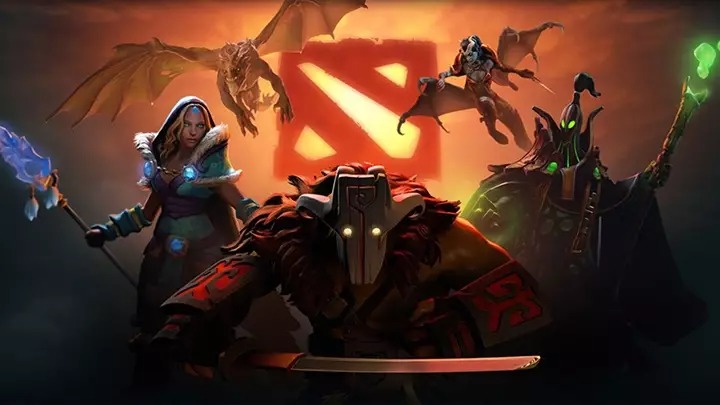
Dota 2 and high risk high reward economics
Dota 2 remains an outlier in esports economics. Its profitability spikes around The International, then cools down for the rest of the year.
By 2026, this pattern still exists, but with a more balanced calendar.
The strength of Dota 2 lies in its community driven funding model.
Battle Pass sales have historically generated massive prize pools, creating global attention.
However, this model carries risk:
- Revenue depends heavily on player engagement cycles
- Team income can fluctuate dramatically year to year
Did you know: At its peak, The International prize pool exceeded that of many traditional sports championships combined, funded largely by players themselves.
Mobile esports and the rise of regional dominance

Mobile esports titles such as PUBG Mobile and Mobile Legends continue to dominate in Asia, the Middle East, and parts of South America.
Their profitability comes from sheer scale rather than elite sponsorship deals.
These games monetize through:
- Massive regional leagues
- Telecom and device manufacturer sponsorships
- In game purchases tied directly to esports events
Unlike PC esports, mobile titles benefit from lower entry barriers.
This expands both player and viewer bases, which advertisers value highly. By 2026, mobile esports are no longer niche. They are essential to the global revenue picture.
Why profitability does not always follow hype
Not every popular game becomes a profitable esport. Sustainable revenue requires structure, consistent viewership, and monetization that does not alienate the community.
Some titles fail because:
- Competitive formats change too often
- Publisher support is inconsistent
- Esports ecosystems rely on short term hype
The most profitable esports games in 2026 share one thing in common. They treat esports as a long term business, not just a marketing tool.
As esports continues to mature, profitability increasingly favors stability over spectacle. Teams, sponsors, and even fans benefit when competitive ecosystems are built to last, not just to trend for a season.