
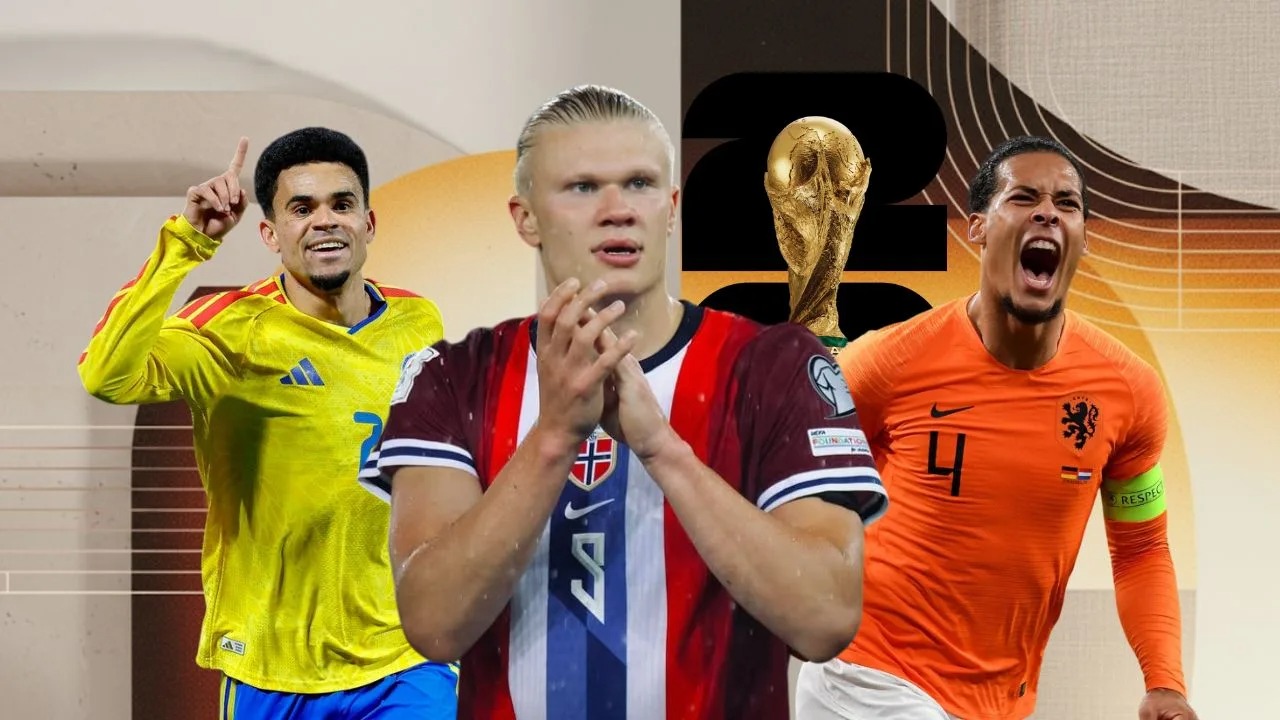
Every World Cup produces at least one storyline nobody predicted. In 2002, South Korea reached the semifinals. In 2018, Croatia went all the way to the final.
Upsets are not accidents. They usually come from teams that peak at the right moment, carry tactical clarity, and play without the weight of expectation.
With the 2026 FIFA World Cup expanding to 48 teams and spreading matches across North America, the conditions are ripe for another wave of surprises.
More games, more travel, and deeper rotations favor organized, hungry squads that thrive on discipline rather than star power.
The question is not if an underdog will break through, but which ones are best positioned to do it.
Why 2026 is tailor made for underdogs
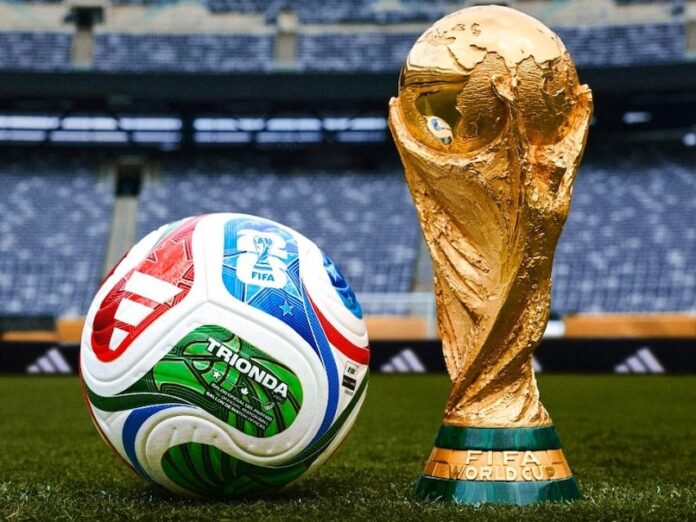
The expanded format changes the math of the tournament in subtle but important ways.
More teams mean more varied playing styles, uneven preparation levels, and unfamiliar matchups.
Favorites will still dominate possession and headlines, but consistency becomes harder over a longer group phase and knockout path.
From an analytical angle, many fans and bettors already track these dynamics closely.
Platforms focused on international football trends often highlight how travel distance, climate adaptation, and squad depth influence outcomes more than raw FIFA rankings.
One such platform is https://jugabet-sports.cl/.
Several structural factors work in favor of outsiders:
- Larger squads reduce the advantage of teams dependent on a small core of stars.
- Neutral venues remove some traditional crowd advantages.
- Compact preparation time rewards teams with established systems rather than individual brilliance.
In short, 2026 rewards cohesion over reputation.
Japan: technical discipline meets tactical courage
Japan no longer fits the romantic idea of a surprise team, yet they still enter tournaments underrated compared to their actual performance level.
Their recent World Cup runs have shown an ability to control tempo, defend compactly, and punish mistakes with quick transitions.
What sets Japan apart is not flair, but reliability. Most of the squad plays in Europe, many in systems that demand positional awareness and pressing discipline.
That experience translates well to tournament football, where mistakes are magnified.
Did you know?
Japan has advanced from the group stage in four of their last seven World Cup appearances, often from groups labeled as difficult on paper.
If they find early confidence in 2026, Japan can frustrate bigger nations into rushed decisions, which is exactly where they are most dangerous.
Morocco: physical structure with modern balance
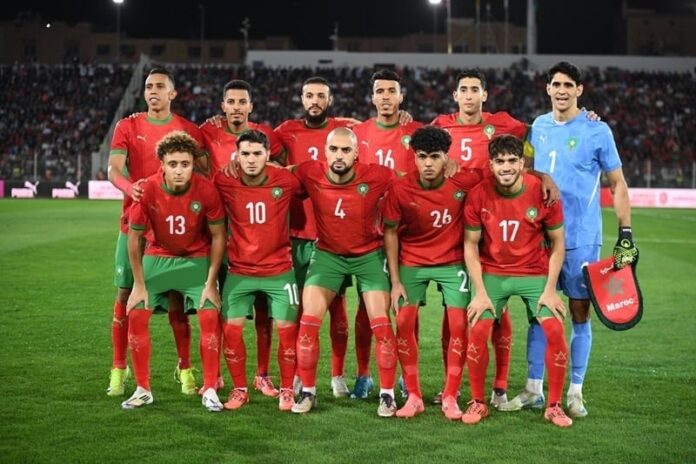
Morocco’s 2022 run was not a fluke built on emotion alone. It was the result of a defensively elite structure combined with selective attacking risk.
That blueprint still works, especially in tournament settings.
What makes Morocco a legitimate threat again is balance. Their back line is comfortable absorbing pressure, while the midfield understands when to slow the game down.
Unlike many underdogs, they do not panic when pinned back.
Key traits that travel well in 2026:
- Strong defensive spacing between lines
- Fullbacks who choose moments carefully
- Set piece efficiency at both ends of the pitch
In longer tournaments, teams that know how to suffer often outlast teams that expect control.
Canada: pace, youth, and home continent energy
Canada may not be a classic underdog in terms of talent, but expectations around them remain modest globally. Playing on their home continent matters.
Climate familiarity, travel comfort, and crowd support can turn marginal advantages into momentum.
Their biggest weapon is pace. Canada transitions quickly and stretches defensive lines with direct runs, forcing opponents to retreat faster than they would like.
That style thrives against teams that prefer slow buildup.
Here is how Canada compares structurally to a typical tournament favorite:
| Aspect | Canada | Traditional Favorite |
| Squad age | Younger core | Mixed, often older |
| Primary threat | Speed in transition | Possession control |
| Risk profile | High tempo | Risk managed |
That contrast alone can tilt knockout matches if Canada scores first.
Senegal: tournament resilience without fear

Senegal has quietly built a reputation for consistency rather than spectacle. They are rarely overwhelmed, rarely disorganized, and rarely intimidated.
That psychological edge matters more than most fans realize.
Their squad profile suits World Cup football. Physical midfielders shield the defense, while attackers are comfortable operating in tight spaces.
Even when missing key names, Senegal tends to maintain structure.
Interesting fact:
Since 2002, Senegal has been eliminated only once in the group stage when fully qualifying on sporting merit.
In 2026, that mental toughness could carry them deeper than many expect, especially against teams unused to physical duels.
Ecuador: altitude mentality without altitude
Ecuador’s reputation often revolves around altitude advantage, but their recent evolution deserves more respect.
They now press higher, recycle possession faster, and commit numbers forward with better timing.
What makes Ecuador intriguing is adaptability.
They can defend deep when necessary or push the line higher against slower opponents.
That flexibility reduces predictability.
A subtle advantage lies in squad familiarity.
Many players have grown together through youth systems and qualifiers, which builds trust under pressure.
In knockout football, trust reduces hesitation, and hesitation is often the difference between advancing and going home.
Why surprises are not accidents
Upsets happen when preparation meets opportunity.
The teams above share common traits: tactical clarity, emotional control, and a willingness to play within limits. None rely on fantasy football stars to rescue them.
The 2026 FIFA World Cup format increases volatility.
More matches, more styles, and more logistical challenges level the field. Underdogs who understand this reality and plan accordingly do not aim to entertain.
They aim to survive, then strike.
History suggests at least one of these teams will reach a stage few predicted.
When that happens, it will not feel shocking to those who were paying attention early.