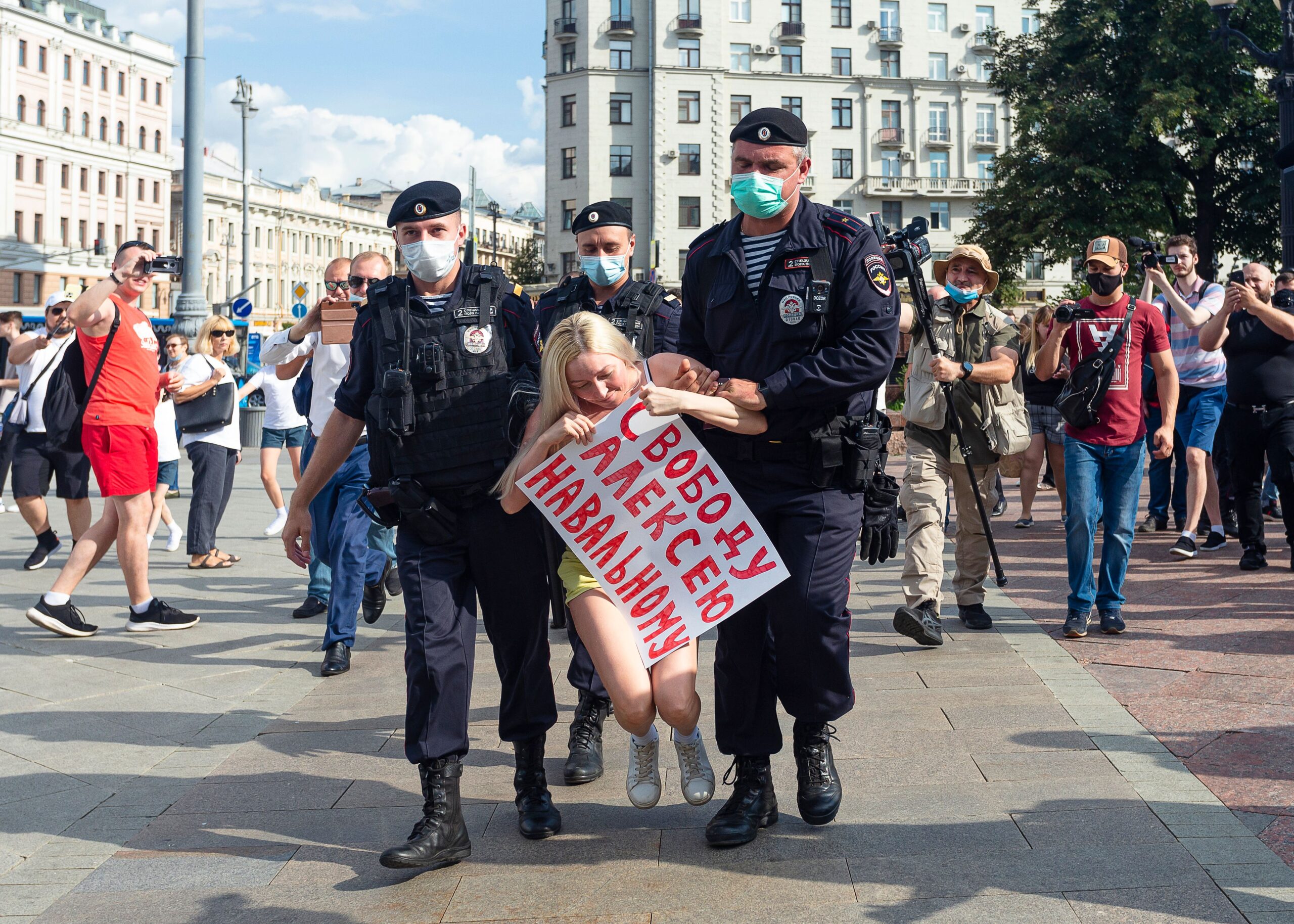
Recent demonstrations outside Philadelphia’s ICE facility have brought renewed attention to protest-related arrests and police responses. As videos of these encounters circulate online, questions often emerge about what led to an arrest, whether officers acted appropriately, and whether demonstrators crossed the line from protected protest activity into conduct that could result in criminal charges.
For those involved, a viral video can become an important part of a criminal case. Recordings may support or challenge police accounts, particularly when arrests involve allegations of trespassing, obstruction, or disorderly conduct.
How Video Becomes Evidence
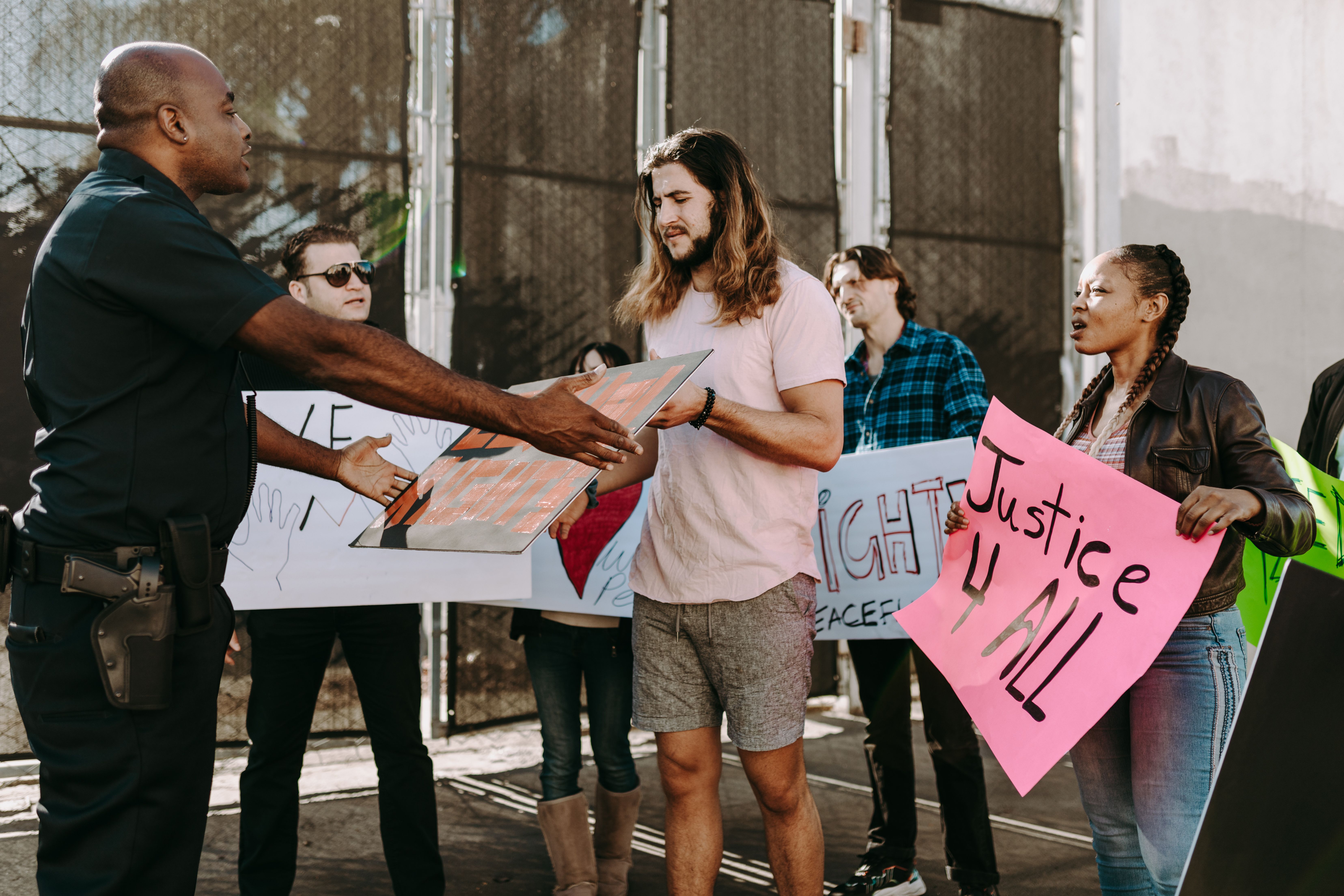
Protest recordings can document interactions between demonstrators and law enforcement.
Footage recorded by demonstrators, journalists, and bystanders can provide a valuable account of what happened during a protest. A recording might show officers approaching a group, issuing instructions, making an arrest, or using physical force. It may also help establish whether someone followed police directions or attempted to leave the area.
However, a widely shared video is not necessarily a complete record of an incident. Clips may omit the moments leading up to an arrest, while certain details can be difficult to see or hear. A recording might capture an officer taking someone into custody without showing what prompted the interaction.
Investigators may need to review original recordings alongside police reports and witness statements to establish a reliable timeline. This can be particularly important when the circumstances surrounding an arrest are disputed.
When Protests Lead to Criminal Charges
Not every arrest at a demonstration involves the same alleged conduct. Depending on the circumstances, protesters may face allegations involving trespassing, obstruction, disorderly conduct, or failure to comply with lawful police instructions.
Trespassing charges can arise when someone enters or remains on property without authorization. At demonstrations near government facilities, disputes may center on whether an area was restricted, whether boundaries were clearly established, and whether individuals were instructed to leave before being arrested.
Obstruction allegations raise different questions. Police may claim that demonstrators blocked entrances, interfered with official duties, or refused to move during an operation. But participating in a protest, criticizing officers, or expressing opposition to government policies does not automatically amount to obstruction. The specific actions involved and the elements of the alleged offense remain important.
The distinction is particularly relevant when large demonstrations bring together people with different levels of involvement. Someone standing near a confrontation may be treated differently under the law from someone accused of physically interfering with officers or preventing access to a restricted area.
Conflicting Accounts of an Arrest
A large gathering can place witnesses at different distances from an arrest.
Disagreements between police accounts and witness testimony can become a central issue in protest-related cases. An officer’s report might describe someone as refusing to comply with instructions, while a bystander’s recording appears to show that person attempting to leave. Other witnesses may remember the exchange differently or offer details that were not included in the initial report.
The perspective of each witness can matter. Someone recording from across the street may not hear instructions given by an officer, while someone standing nearby may have a limited view of the broader encounter. Multiple recordings, timestamps, dispatch records, and witness statements can help clarify the sequence of events.
This is especially relevant when the legality of an arrest depends on whether someone received a warning, ignored an instruction, or engaged in conduct that justified police intervention. For a Philadelphia criminal defense lawyer, footage that contradicts an officer’s account or provides context missing from witness statements may offer a different perspective on the events leading to an arrest.
The Impact of Social Media Attention
Once an arrest video spreads online, public opinion can develop quickly. A short clip may be accompanied by claims about what happened, who was involved, or whether police used appropriate force. As the footage gets reposted, its original context can become increasingly difficult to track.
That attention can create additional complications for people facing charges. Public comments may introduce inaccurate details, while social media posts and additional recordings can become relevant to an investigation. Online discussions can also blur the distinction between what a video actually establishes and what viewers assume it shows.
For individuals involved in a high-profile demonstration, the circulation of footage may mean that an arrest receives public scrutiny long before the underlying allegations are resolved.
Balancing Protest Rights and Public Safety
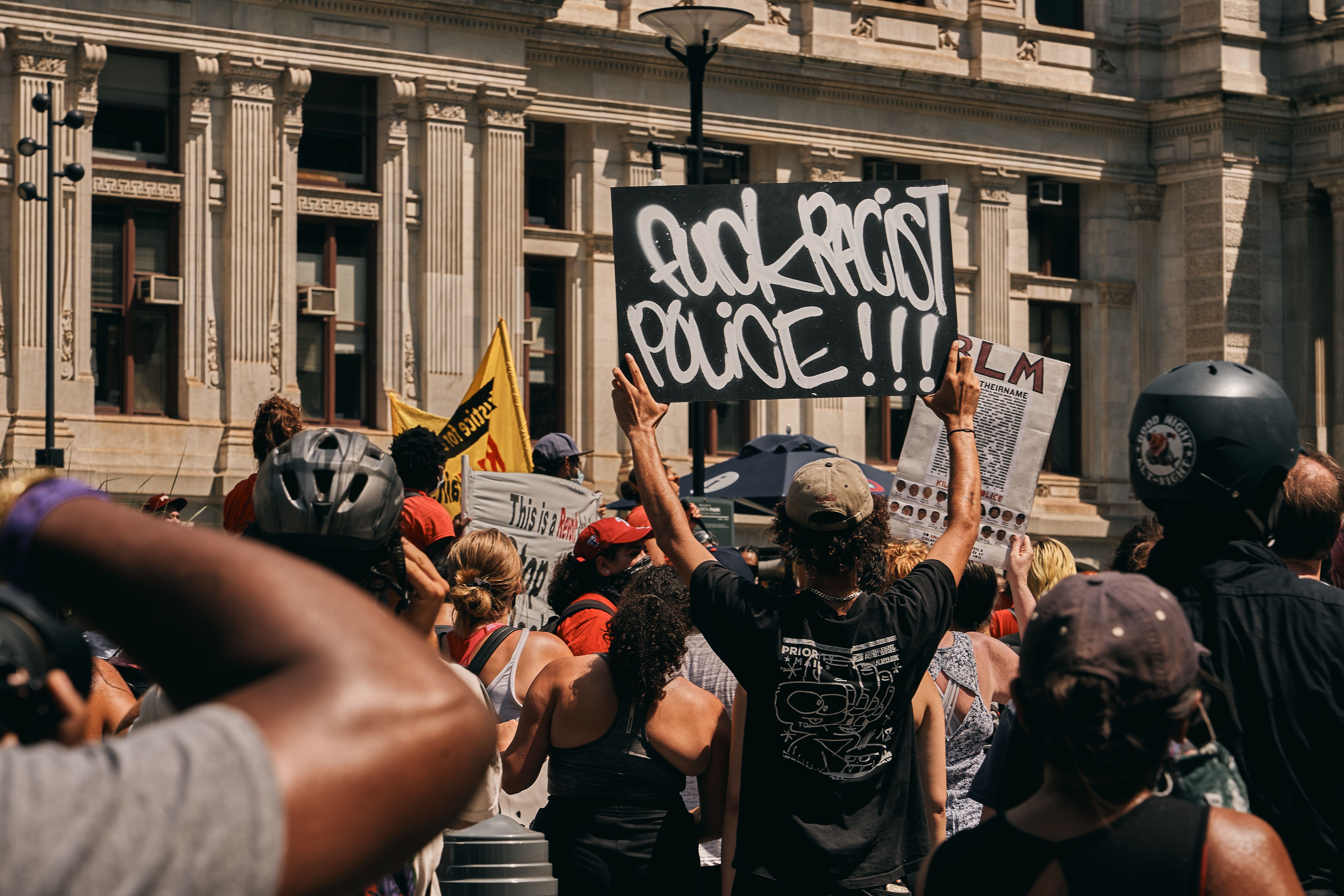
Philadelphia protest rallies bring public attention to policing and civil liberties.
Demonstrations outside federal facilities can raise questions about where protected political expression ends and conduct that may result in criminal charges begins. The First Amendment generally protects peaceful assembly, political speech, and criticism of government agencies. However, those protections do not give demonstrators unrestricted access to secured property or the right to physically interfere with official operations.
The location of a demonstration, access restrictions, and the instructions given by police can all influence how an encounter is evaluated. A protest can be lawful even when an individual participant is accused of an offense. Likewise, being arrested during a demonstration does not establish that the person committed a crime.
Understanding this distinction is important when examining arrests connected to demonstrations involving immigration enforcement, where political expression and questions of facility security can intersect.
The Limits of Viral Footage
Video recordings have made police encounters at public demonstrations more visible, giving witnesses and the broader community a way to examine events that might otherwise be documented primarily through official accounts. They can preserve important details and expose inconsistencies, but they do not always provide a complete explanation of what happened.
As demonstrations involving immigration enforcement continue to draw attention in Philadelphia, protest-related arrests will remain a subject of public and legal scrutiny. Ultimately, criminal cases involving demonstrators depend on the specific conduct alleged, the applicable law, and whether the prosecution can establish the elements of the charges. A viral video may influence public opinion, but its legal significance depends on what it actually shows.