
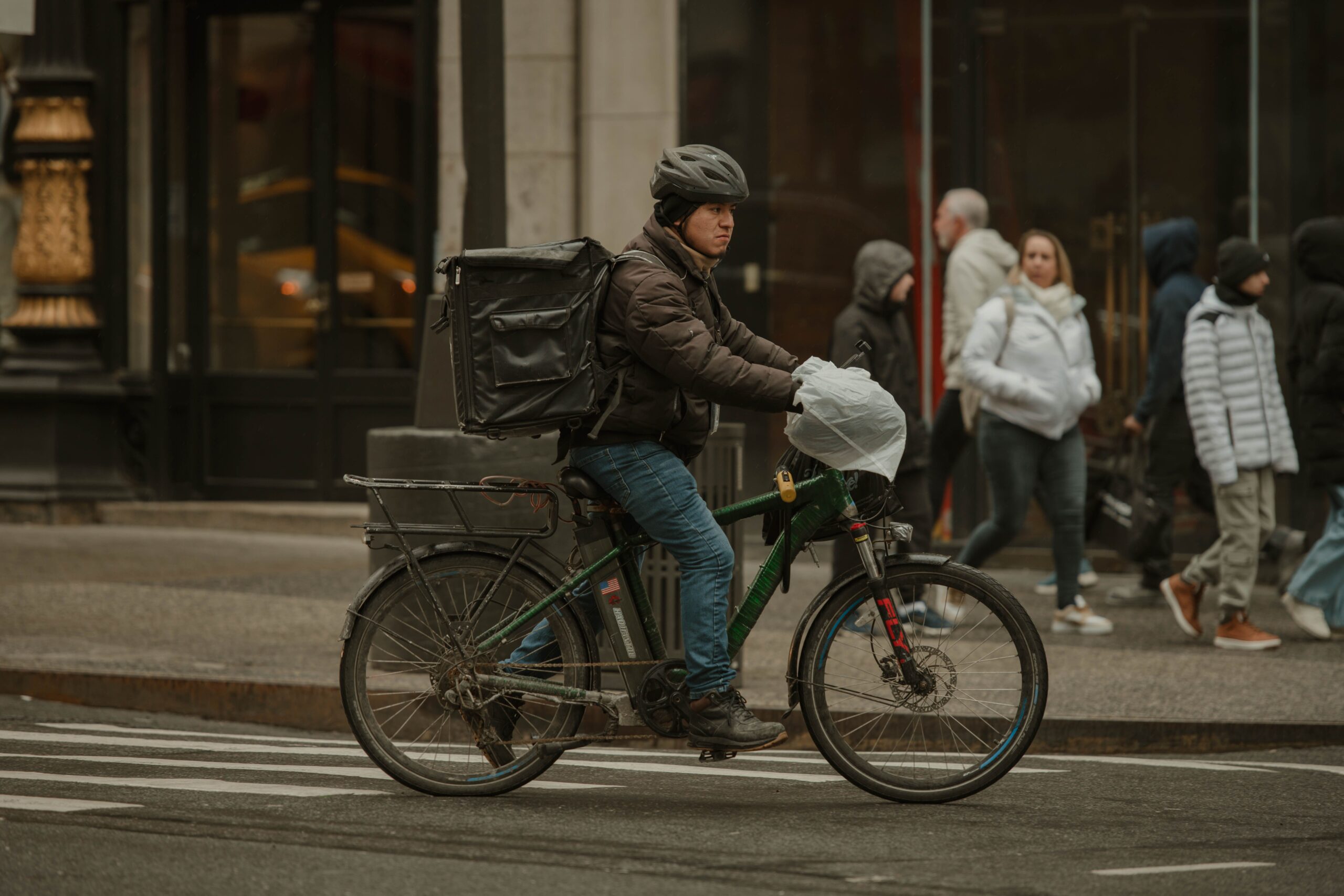
Delivery work involves more physical demands than spending hours behind the wheel. Drivers regularly lift heavy packages, climb apartment staircases, navigate uneven sidewalks, and get in and out of vehicles throughout the day. These routine tasks can lead to injuries that make it difficult to continue working. In Philadelphia, where delivery routes often include older buildings, narrow streets, and densely populated neighborhoods, drivers face a variety of workplace hazards.
Workers’ compensation can provide benefits for employees injured on the job, but delivery workers may encounter questions about how an injury occurred, whether it is connected to their duties, and whether their employment arrangement qualifies them for coverage.
Physical Demands of Delivery Work
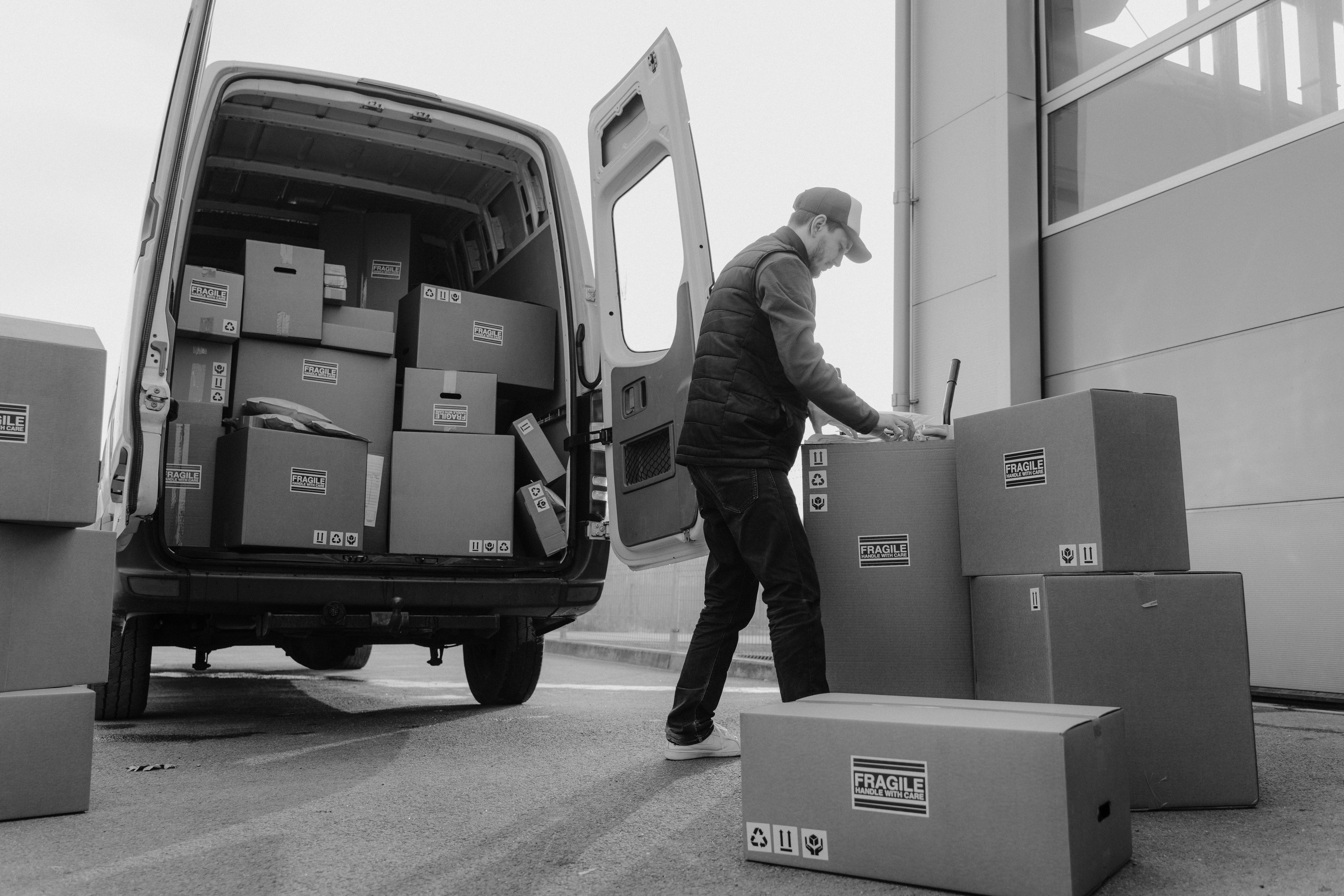
Lifting and carrying packages is one of the most obvious physical challenges delivery drivers face. Packages vary in size and weight, and drivers may have to move them through parking lots, up staircases, or across long apartment hallways. Repeating these tasks throughout a shift can put considerable strain on the back, shoulders, and knees.
Philadelphia’s residential buildings can make deliveries even more demanding. Older apartment buildings may have narrow staircases, limited elevator access, or poorly maintained steps. Carrying bulky packages through these spaces increases the risk of falls and other injuries.
Even routine activities such as loading a vehicle or reaching into a crowded cargo area can cause problems when drivers repeatedly bend, twist, or lift from awkward positions.
Hazards Beyond the Road

Traffic collisions are an obvious concern for delivery workers, but plenty of injuries happen after a driver has parked. Uneven sidewalks, loose pavement, damaged steps, and slippery building entrances can all create fall hazards.
These conditions can be particularly concerning during Philadelphia’s winter months, when snow and ice make sidewalks and outdoor staircases more difficult to navigate. Drivers carrying packages may also have limited visibility of the ground, increasing the chance of tripping or losing their balance.
An injury on private property can raise additional questions. A property owner’s responsibility for maintaining a walkway or staircase is separate from whether an employee’s injury qualifies for workers’ compensation. Depending on where and how the incident occurred, both issues may become relevant.
Repetitive Injuries
Not every workplace injury happens in a single incident. Repeatedly lifting packages, bending into cargo areas, climbing stairs, and getting in and out of vehicles can gradually strain muscles and joints.
Drivers may initially dismiss back pain, shoulder discomfort, or knee problems as ordinary soreness. Over time, however, these conditions can become serious enough to interfere with their ability to work.
Establishing a connection between a gradual injury and employment can be more complicated than documenting a sudden accident. Medical records and evidence of a driver’s regular job responsibilities may help demonstrate how repeated workplace activities contributed to the condition.
Employment Classification and Coverage

The delivery industry includes several types of working arrangements. Some Philadelphia drivers work directly for national shipping companies or local courier services, while others deliver groceries and packages through third-party contractors or app-based platforms.
This distinction matters because workers’ compensation coverage generally depends on whether someone qualifies as an employee under Pennsylvania law. A company identifying a driver as an independent contractor does not necessarily settle the issue. The actual working relationship, including how much control the company exercises over assignments, schedules, and job responsibilities, may also be considered.
As delivery companies continue to rely on different employment models, workers performing similar jobs may face different questions about their eligibility for benefits after an injury.
Reporting Injuries and Documenting Claims
Reporting an injury promptly can help establish when it happened and how it relates to a driver’s work. For a sudden accident, useful details may include the delivery location, the task being performed, the time of the incident, and whether anyone witnessed it. Photographs of damaged steps, uneven walkways, or other hazards can also help document the circumstances.
Gradual injuries require a different approach. Medical records, descriptions of daily job duties, and documentation of developing symptoms can help establish the relationship between physical work and an ongoing condition.
These issues can become important when evaluating a claim under Pennsylvania’s workers’ compensation system. A Philadelphia workers’ compensation attorney may be familiar with disputes involving repetitive injuries, employment classification, and the circumstances surrounding delivery-related accidents.
Improving Delivery Worker Safety

Reducing workplace injuries requires attention to more than driver safety on the road. Proper lifting techniques, appropriate equipment, realistic delivery schedules, and organized vehicle storage can help limit unnecessary physical strain.
Companies can also establish procedures for dealing with unsafe delivery locations. Drivers should have a way to report hazardous staircases, icy walkways, and other dangerous conditions rather than feeling pressured to complete deliveries regardless of the circumstances.
Addressing the Risks of Delivery Work
Delivery drivers face a combination of physical and environmental hazards that can affect their health and ability to work. Heavy lifting, repetitive movements, falls, and difficult property conditions are all part of a job that extends well beyond driving.
The circumstances of an accident, the development of a gradual injury, and the nature of a worker’s employment arrangement can all affect how a workers’ compensation claim is evaluated. As Philadelphia’s delivery industry continues to grow, addressing these challenges will remain an important part of workplace safety. For further context on workers’ compensation claims, see this overview of common claim types.