

French Bulldogs have become one of the most recognizable and beloved dog breeds in the world. Known for their affectionate personalities, expressive faces, compact size, and playful nature, Frenchies can make wonderful companions for individuals, couples, and families. Their unique appearance and charming personalities have also made them especially popular among dog lovers looking for a companion that can fit comfortably into a variety of lifestyles.
However, bringing a French Bulldog into your home is an important decision that involves much more than choosing a puppy based on appearance. Prospective owners should consider the puppy’s health, temperament, upbringing, breeder practices, veterinary care, and long-term needs before making a commitment.
Whether you are a first-time dog owner or already have experience with the breed, understanding what to look for can help you make a thoughtful and informed decision.
Why Are French Bulldogs So Popular?

French Bulldogs, often affectionately called Frenchies, are known for their distinctive physical characteristics and entertaining personalities. Their relatively small size makes them appealing to people who live in apartments, condos, or homes where a larger breed may not be practical.
One of the breed’s most appealing qualities is its personality. French Bulldogs are generally companion-oriented dogs that enjoy spending time with their people. They can be playful and energetic while also being perfectly content to relax beside their owners.
Frenchies are also known for their individual personalities. Some are outgoing and playful, while others may be more relaxed and observant. Their expressive faces, bat-like ears, compact bodies, and wide variety of coat colors and patterns contribute to their distinctive appearance.
Despite their small stature, French Bulldogs have plenty of personality. They often enjoy being involved in household activities and can form strong bonds with their families.
Choosing a French Bulldog Puppy Responsibly
Finding the right puppy begins with finding a responsible source. Prospective owners should take time to research breeders, ask questions, and learn as much as possible about the puppy’s background.
A responsible breeder should be willing to discuss the puppies’ parents, health history, socialization, veterinary care, and living environment. They should also be interested in learning about prospective owners rather than simply focusing on completing a sale.
When researching breeders, look for clear information about how puppies are raised. Puppies that receive appropriate human interaction and early socialization may have an easier transition into their new homes.
Potential owners should also be cautious about sellers who are unwilling to answer basic questions, cannot provide information about the puppy’s parents, or pressure buyers into making an immediate decision.
A healthy relationship between a breeder and puppy owner should ideally begin before the puppy goes home.
Understanding French Bulldog Health

Health should be one of the most important considerations when choosing a French Bulldog. Like every breed, French Bulldogs can be susceptible to certain health concerns.
Their short facial structure means prospective owners should understand the importance of responsible breeding and appropriate veterinary care. French Bulldogs can also be sensitive to heat, and owners need to take special care during warm weather.
In Florida and other hot climates, this consideration is particularly important. French Bulldogs should have access to shade, fresh water, air conditioning or another cool environment, and appropriate exercise schedules. Outdoor activity during the hottest parts of the day should generally be avoided.
Potential owners should ask breeders about health screening and veterinary care. Depending on the breeder and veterinary recommendations, puppies may receive age-appropriate vaccinations, deworming, examinations, and other preventive care before going to their new homes.
A health guarantee may also be offered by some breeders. Buyers should carefully read the terms of any guarantee and understand what it covers, how long it lasts, and what responsibilities the owner has.
The Importance of Responsible Breeding
Responsible breeding involves more than producing puppies with desirable colors or appearances. A thoughtful breeding program considers health, structure, temperament, genetics, and the overall well-being of the dogs.
French Bulldogs can come in a wide variety of colors and patterns, which can be an exciting part of the breed for enthusiasts. However, appearance should not be the only factor considered when selecting a puppy.
A beautiful puppy still needs a healthy foundation, appropriate veterinary care, proper nutrition, socialization, and a responsible upbringing.
Prospective owners should therefore look beyond photographs when evaluating a breeder. Ask questions about the parents, the puppies’ environment, veterinary records, socialization practices, and the breeder’s approach to long-term health.
What Should You Ask a French Bulldog Breeder?
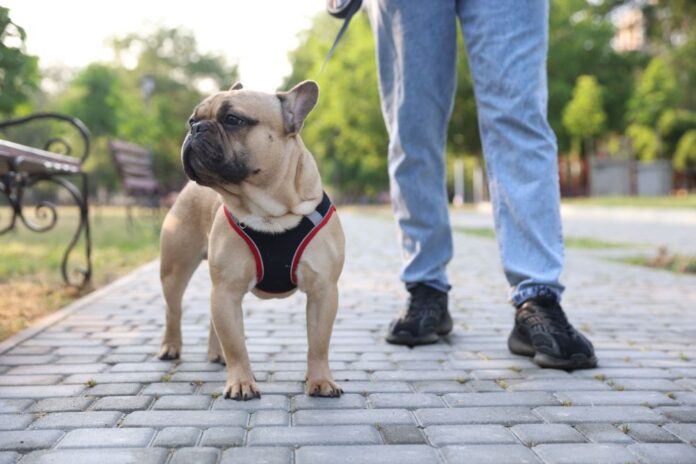
Before purchasing a puppy, prepare a list of questions. A reputable breeder should be comfortable having an open conversation about their puppies and breeding program.
Some useful questions include:
- How old are the puppies when they go home?
- Have the puppies received a veterinary examination?
- What vaccinations and deworming have they received?
- Can I see veterinary records?
- Can I learn more about the puppy’s parents?
- What type of socialization have the puppies received?
- What food are the puppies currently eating?
- Is there a health guarantee?
- What does the health guarantee cover?
- What support is available after the puppy goes home?
- Are the puppies registered with an established kennel organization when applicable?
- What should I expect during the first few weeks at home?
These questions can help prospective owners understand what they are purchasing and what responsibilities they will have once the puppy arrives.
Preparing Your Home for a French Bulldog Puppy
Before bringing a puppy home, preparation can make the transition much easier. Puppies are naturally curious and may explore their new surroundings with their mouths and paws.
Puppy-proofing the home is an important first step. Electrical cords, small objects, cleaning products, medications, and other potentially dangerous items should be secured or placed out of reach.
A comfortable sleeping area should also be prepared. Some owners choose a crate, puppy pen, or designated bed area. The goal is to create a safe space where the puppy can rest without being disturbed.
You should also have essential supplies ready before the puppy arrives. These may include food and water bowls, age-appropriate puppy food, a collar and identification tag, leash, toys, bedding, cleaning supplies, and grooming products.
Scheduling an initial veterinary appointment is another important part of preparing for your new companion.
Feeding and Nutrition
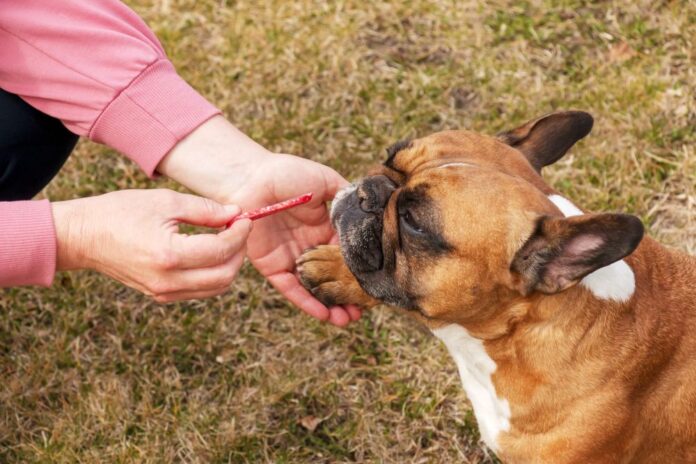
Proper nutrition is essential during puppyhood. Growing French Bulldogs require a balanced diet appropriate for their age, size, and developmental stage.
New owners should ask the breeder what food the puppy has been eating before bringing the puppy home. Keeping the same diet initially can help minimize unnecessary changes during the transition.
If you want to change the puppy’s food, discuss the transition with your veterinarian and make changes gradually when appropriate.
Portion sizes and feeding schedules can also change as a puppy grows. Your veterinarian can help determine an appropriate feeding routine based on the puppy’s individual needs.
Treats should be given in moderation, particularly because maintaining a healthy body weight is important for a French Bulldog’s overall well-being.
Exercise and Activity
French Bulldogs generally do not require the same amount of exercise as high-energy working breeds, but they still benefit from regular, appropriate activity.
Short walks, supervised play sessions, and mentally stimulating activities can help keep a Frenchie engaged. Because of their physical characteristics, owners should pay close attention to signs of overheating or breathing difficulty.
Hot and humid weather requires particular caution. A French Bulldog should never be left in a hot vehicle, and outdoor exercise should be carefully managed during warm weather.
Indoor play can be a great alternative when temperatures are high. Puzzle toys, training exercises, and interactive games can provide mental stimulation without requiring prolonged physical exertion.
Training and Socialization
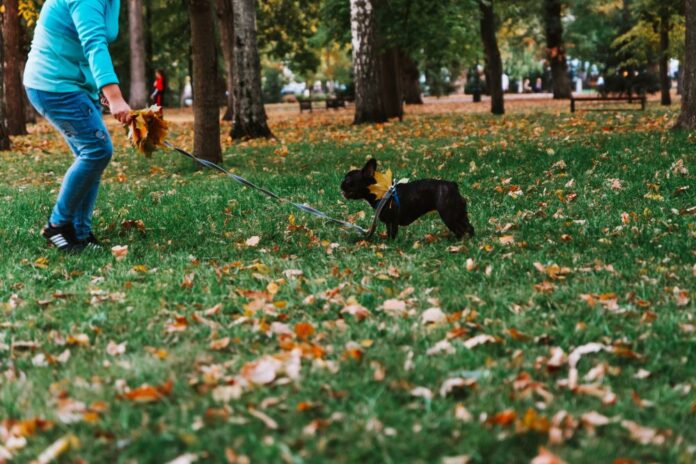
French Bulldogs can be intelligent, affectionate, and entertaining companions, but early training is still important.
Basic commands such as “sit,” “stay,” “come,” and “leave it” can provide a foundation for good manners and communication. House training should also begin as early as practical.
Positive reinforcement can make training a rewarding experience. Praising desired behavior, offering appropriate rewards, and maintaining consistent routines can help a puppy understand what is expected.
Socialization is equally important. Carefully introducing a puppy to different people, environments, sounds, and experiences can help build confidence.
Puppies should always be exposed to new situations in an age-appropriate and safe manner. Your veterinarian can provide guidance about when it is appropriate to introduce your puppy to environments where other dogs may be present, particularly before the puppy has completed its recommended vaccinations.
Finding French Bulldog Puppies Online
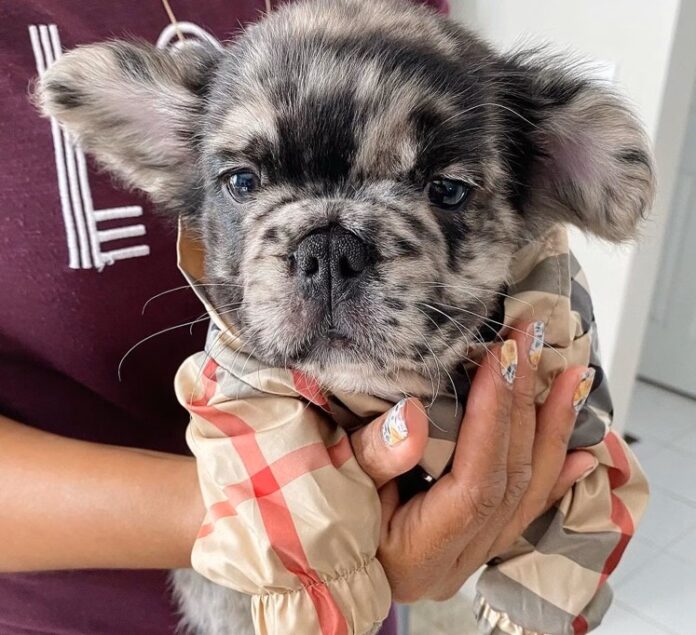
The internet has made it easier than ever to research breeders and find available puppies. A simple search for french bulldog puppies for sale can produce a large number of results, but not every listing represents the same level of care or responsible breeding.
This is why buyers should research the person or organization behind the listing rather than making a decision based solely on photographs or price.
Look for detailed information about the puppies, parents, health care, registration, guarantees, and breeding practices. A professional website with clear information can be helpful, but prospective buyers should still ask questions and verify important details.
Whenever possible, buyers should learn where puppies are raised and how they are cared for. Transparency is an important part of establishing trust between a breeder and a future puppy owner.
Consider the Long-Term Commitment
A French Bulldog puppy may be small and adorable, but bringing one home represents a long-term commitment.
Dogs require food, veterinary care, grooming, training, exercise, attention, and companionship throughout their lives. Prospective owners should consider whether they have the time, financial resources, living environment, and lifestyle necessary to provide appropriate care.
French Bulldogs can become deeply integrated into their families. They may follow their owners from room to room, participate in family activities, and become a constant source of companionship.
That relationship is one of the most rewarding aspects of responsible dog ownership, but it also means owners need to be prepared for the responsibilities that come with it.
Choosing a Puppy Based on More Than Appearance
It is easy to become attached to a puppy after seeing a photograph. French Bulldogs are particularly photogenic, and their unique faces and personalities can make choosing one especially exciting.
However, appearance should be only one part of the decision.
Consider temperament, health information, veterinary care, socialization, breeder practices, and compatibility with your household. If you already have other pets or young children, consider how the puppy’s temperament and energy level may fit into your home.
The goal should not simply be to find the most visually appealing puppy. The goal is to find a healthy, well-cared-for companion whose needs and temperament are compatible with your lifestyle.
Bringing Your New French Bulldog Home

The first few days with a new puppy can be exciting and challenging. The puppy is entering a completely new environment and may need time to adjust.
Keeping a consistent routine can help. Regular feeding, sleeping, bathroom, and play schedules can give the puppy a sense of security.
Accidents are normal during house training, and puppies require patience and repetition. Consistency is generally more productive than punishment.
Your puppy may also sleep frequently. Growing puppies need plenty of rest, so allow appropriate quiet time between periods of activity.
Most importantly, use the first few weeks to build trust and establish a positive relationship. Gentle handling, positive reinforcement, play, and consistent routines can help create a strong foundation.
Final Thoughts
Choosing a French Bulldog puppy is an exciting experience, but it is also a decision that deserves careful consideration. The best starting point is education: learn about the breed, research breeders, ask questions, understand potential health considerations, and prepare your home before your puppy arrives.
A responsible approach to puppy ownership extends far beyond the initial purchase. It includes proper nutrition, veterinary care, training, socialization, exercise, safety, and plenty of companionship.
French Bulldogs can bring years of affection, entertainment, and companionship to the right home. By taking the time to choose carefully and understand the responsibilities involved, prospective owners can begin their relationship with their new Frenchie on a strong foundation.