Choosing the right fence company in California takes more thought than simply comparing prices. A fence affects privacy, safety, curb appeal, property boundaries, and long-term maintenance. It also needs to suit the local climate, city rules, and the way you use your outdoor space.
California homeowners deal with many different conditions. Coastal homes may face moisture and salt air, inland properties may deal with strong sun and heat, and hillside lots may require extra planning for slopes or drainage. A reliable contractor should understand these details before recommending a material or design.
Know Why You Need a Fence
Before speaking with contractors, decide what you want your fence to do. This helps you avoid paying for features you do not need or choosing a style that does not solve your main problem.
Common reasons for installing a fence include:
- Improving backyard privacy
- Keeping children or pets safe
- Replacing old or damaged fencing
- Marking property boundaries
- Reducing street noise
- Meeting pool safety needs
- Improving curb appeal
- Adding security around side yards or driveways
A good contractor should ask about your goals first, then explain which fence types fit your property and budget.
Understand Local Rules and Property Limits
Fence rules in California can vary by city, county, neighborhood, and HOA. Some areas limit fence height in front yards, side yards, and corner lots. Others may have special rules for pool fences, retaining walls, visibility near driveways, or historic neighborhoods.
Before work begins, ask:
- Does this project need a permit?
- Are there height restrictions?
- Do HOA rules apply?
- Will the fence affect a shared boundary?
- Who confirms local requirements?
It is also wise to check your property line before replacing a boundary fence. If the fence is shared with a neighbor, discuss the project early and put any cost-sharing agreement in writing.
Check Licensing, Insurance, and Experience
A fence may seem like a simple project, but poor installation can lead to leaning posts, drainage issues, gate problems, or disputes with neighbors. Always check whether the contractor has the proper California license for the size and scope of the job.
You should also ask for proof of:
- General liability insurance
- Workers’ compensation coverage, if they have employees
- A written estimate
- A written contract
- Labor and material warranty information
Experience matters too. A contractor who has worked on similar California properties will be better prepared for local soil conditions, slope challenges, coastal exposure, and permit expectations.
Compare Fence Materials Carefully
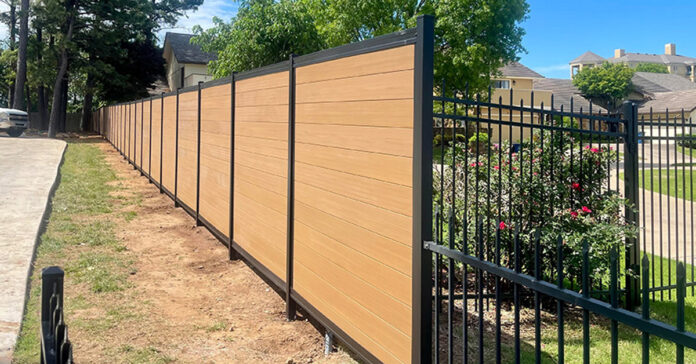
The best fence material depends on your climate, budget, maintenance preferences, and design goals.
Wood fencing offers a classic look and strong privacy. It works well for many homes but needs staining, sealing, or repairs over time. It may also be affected by moisture, termites, or sun exposure.
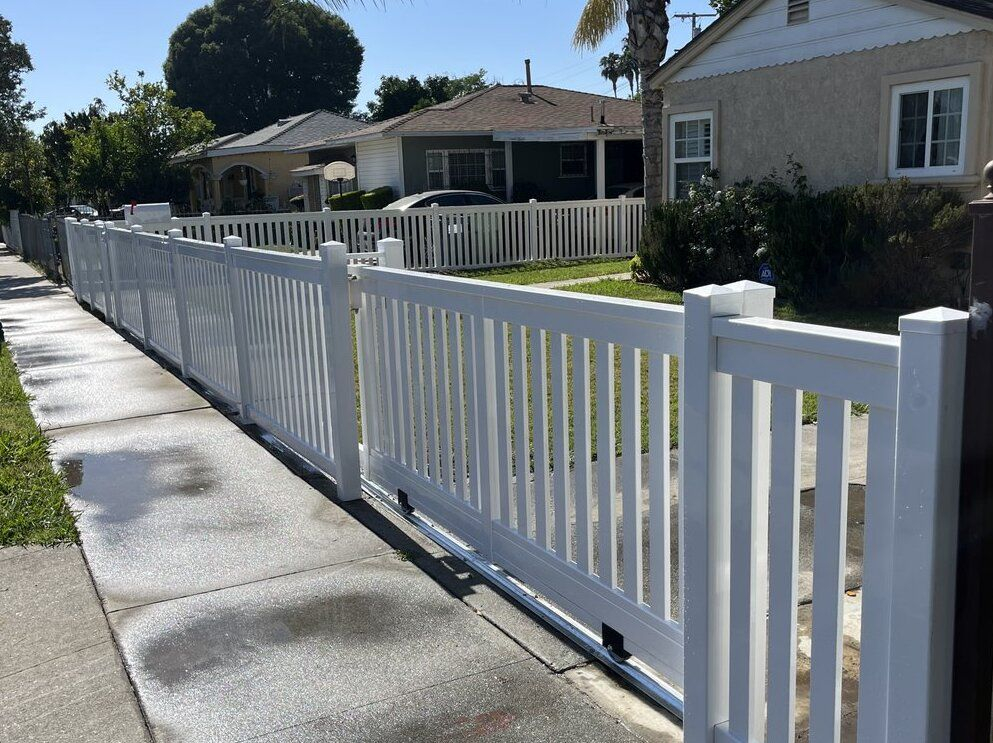
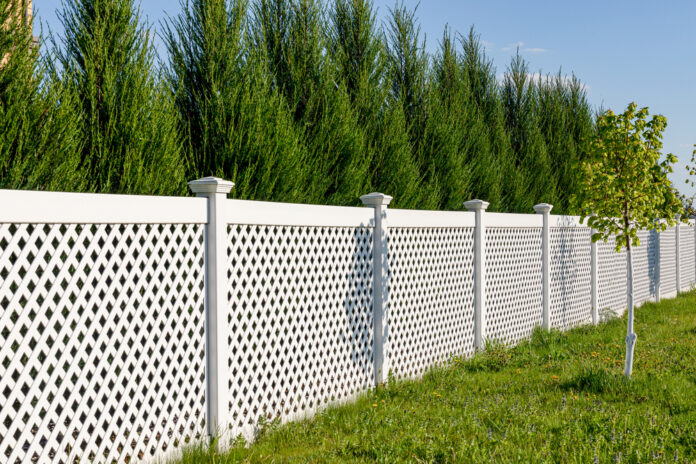
Vinyl fencing is popular for homeowners who want a clean look with less maintenance. It resists rot and insects, but quality matters, especially in areas with intense sunlight.
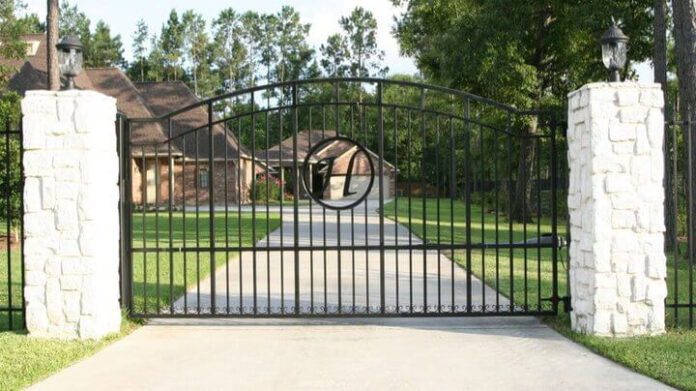
Metal fencing, including steel, aluminum, and wrought iron-style options, is often used for front yards, pool areas, and security. It is durable and attractive, but does not provide much privacy unless combined with other design features.
Chain-link fencing is practical for large areas, side yards, dog runs, and utility spaces. It is usually cost-effective, though it may not suit every neighborhood or HOA standard.
Ask for a Detailed Written Estimate
Do not judge a contractor by price alone. A low estimate may leave out important costs such as old fence removal, haul-away, gate hardware, permit fees, or stronger posts.
A useful estimate should include:
- Fence material and height
- Total linear footage
- Post type and spacing
- Gate size and hardware
- Removal of existing fencing
- Labor and material costs
- Permit responsibilities
- Timeline
- Warranty terms
If one quote is much cheaper than the others, ask what is missing. Clear details help prevent surprise costs later.
Look for Clear Communication
The right contractor should explain your options without pressure. They should answer questions, inspect the property, and discuss possible challenges before work begins. If a company is hard to reach during the estimate stage, communication may not improve after the project starts.
When comparing options, it can be helpful to speak with a professional fence company that understands California installation conditions and can explain how different materials perform in your specific area.
Ask Practical Questions Before Hiring
Before choosing a contractor, ask direct questions such as:
- How long have you been installing fences in California?
- What material do you recommend for my climate?
- How deep will the posts be set?
- Will underground utilities be marked first?
- Do you remove and haul away old fencing?
- What warranty do you provide?
- How do you handle changes during the project?
A trustworthy contractor should give clear answers. Vague responses, verbal-only pricing, pressure tactics, or refusal to show insurance are red flags.
Think About Long-Term Value
The cheapest fence is not always the most affordable over time. A fence that needs frequent repairs, repainting, or early replacement can cost more in the long run. Consider how the material will handle sun, moisture, wind, pests, and daily use.
For a major fence installation, focus on durability, proper post setting, gate quality, and maintenance needs. These details affect how well the fence performs five or ten years later.
Final Thoughts
Choosing the right fence company in California means looking beyond price. Start with your goals, understand local rules, compare materials, verify credentials, and review the estimate carefully.
A well-planned fence can improve privacy, safety, appearance, and property value while helping you avoid common installation problems.