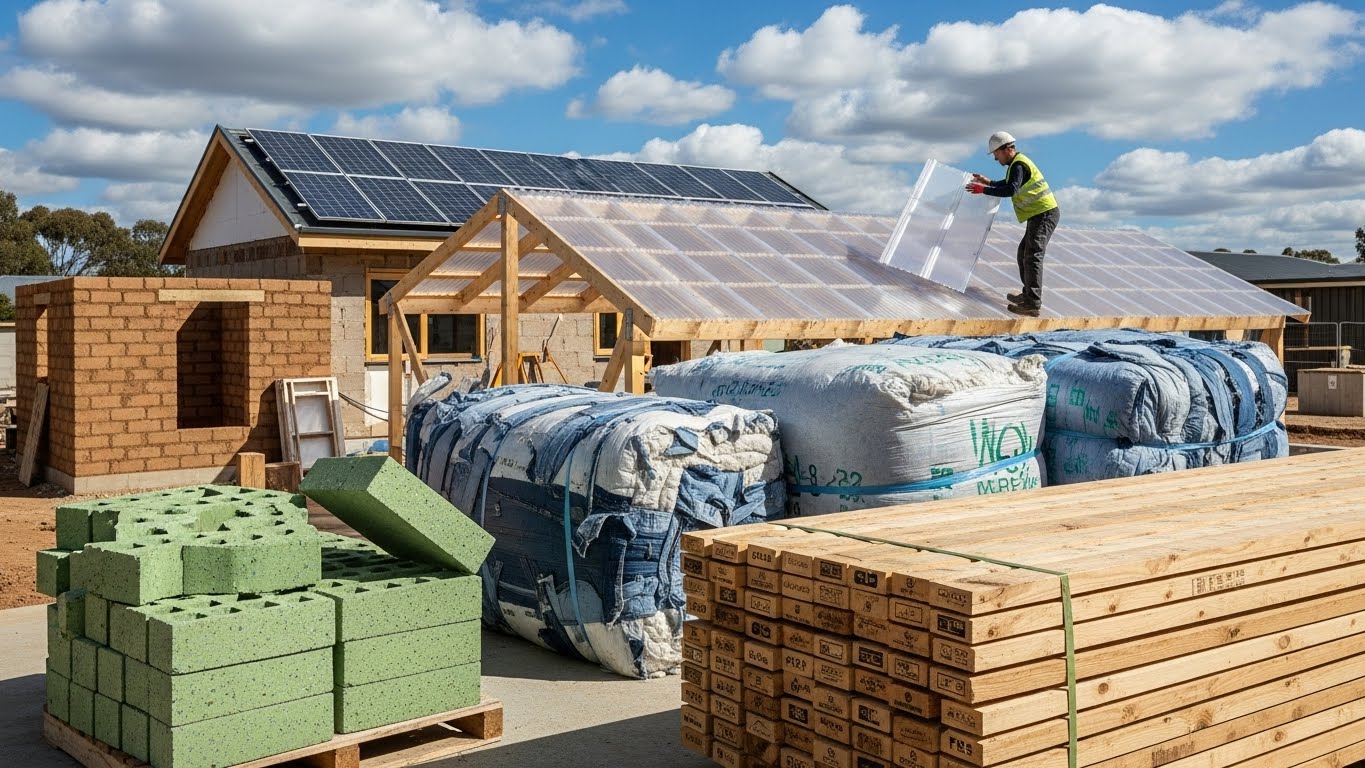
Home renovation has always been about making spaces work better – but in recent years, “better” has taken on a broader meaning. Alongside aesthetics and functionality, homeowners are asking harder questions: Where does this material come from? How does it behave over time? What does it do to the air inside my home?
The answer, for a growing number of people, is pointing back to nature. Natural building materials – many of them used for centuries before cement and synthetic insulation took over – are experiencing a serious revival. Not out of nostalgia, but because they genuinely perform. Here are five that are reshaping the way we think about renovation.
1. Hemp and Lime (Hempcrete) – Insulation That Breathes
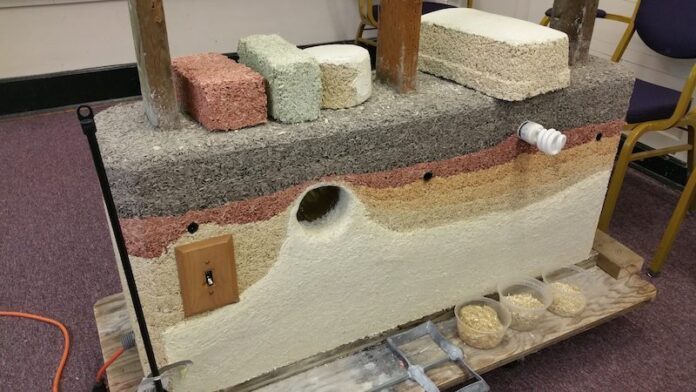
Hempcrete is a composite of hemp hurds (the woody core of the hemp plant) mixed with a lime binder and water. The result is a lightweight, breathable block that regulates moisture naturally, absorbs carbon during curing, and provides solid thermal mass without the brittleness of conventional concrete.
It won’t replace structural concrete – hempcrete isn’t load-bearing in the traditional sense – but as an infill material for walls and insulation layers, it’s becoming a favourite among eco-builders and renovation specialists alike. It’s also remarkably resistant to mould and pests, two persistent headaches in older properties.
2. Reclaimed Wood – Character You Can’t Manufacture
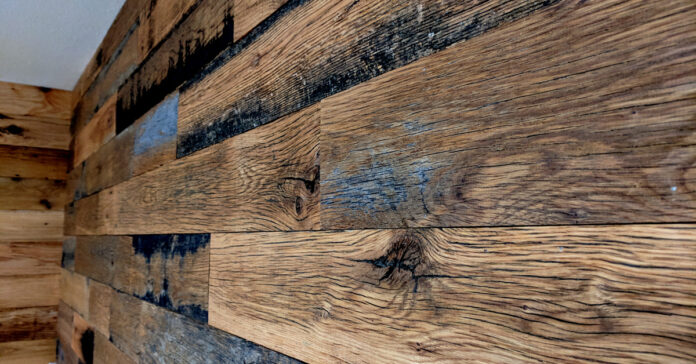
There’s something a factory-fresh plank simply cannot replicate: the density, patina, and grain of timber that has already lived a life. Reclaimed wood — salvaged from old barns, industrial buildings, or demolished structures — brings decades of natural seasoning to a project, which often makes it more dimensionally stable than new timber.
Beyond aesthetics, the sustainability case is strong. Using reclaimed wood avoids new felling, reduces landfill waste, and sidesteps the embodied energy costs of processing virgin lumber. The practical advice: always check for structural integrity, look for signs of insect damage, and confirm the source where possible. When sourced responsibly, reclaimed wood is one of the most durable and characterful choices available.
3. Slaked Lime – The Ancient Binder With a Modern Role
Before Portland cement became the default in the twentieth century, lime was the binding agent of choice across Europe and beyond. Today, it’s making a well-deserved return — particularly in the renovation of older buildings, where compatibility with existing materials matters enormously.
Slaked lime (calcium hydroxide) is produced by adding water to quicklime, triggering a chemical reaction that transforms it into a workable paste or powder. It’s the basis for lime plasters, lime renders, and lime mortars — all of which share a key property that cement-based alternatives lack: breathability. Lime allows moisture to move through walls rather than trapping it, which prevents the kind of damp buildup that damages historic masonry and degrades indoor air quality.
To understand exactly how slaked lime differs from quicklime and which applications suit each type, slaked lime offers a clear technical breakdown of their characteristics and uses. For anyone working on a period property or a natural build, it’s worth understanding these distinctions before specifying materials.
Lime also has a self-healing quality: hairline cracks can re-carbonate and close over time as the lime reacts with CO₂ in the air. It’s a material that ages gracefully — and that’s increasingly rare.
4. Cork – The Underrated Flooring and Insulation Champion
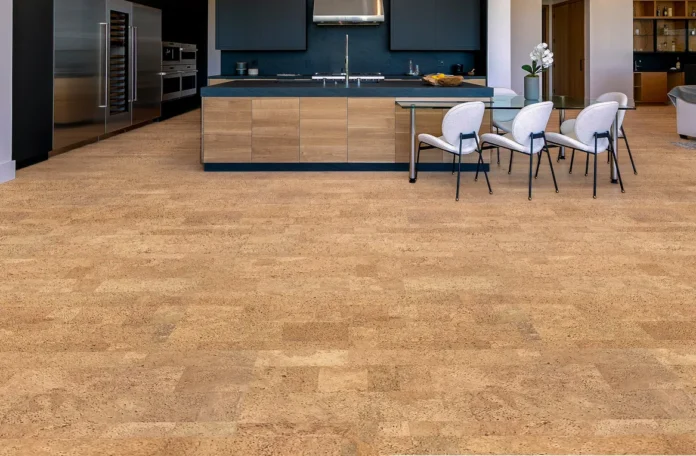
Cork tends to get overlooked in renovation conversations, which is a shame given its credentials. Harvested from the bark of cork oak trees — without cutting them down — it’s one of the few truly renewable building materials available at scale.
As a flooring option, cork absorbs sound, provides natural thermal insulation underfoot, and has a slight give that makes it comfortable to stand on for long periods. As an insulation board, it performs well in both thermal and acoustic applications, including roof underlays and internal wall panels.
It’s also hypoallergenic, resistant to mould and mildew, and free of the VOCs (volatile organic compounds) associated with many synthetic flooring products. For homeowners focused on indoor air quality — a concern that’s grown significantly in recent years — cork is worth serious consideration.
5. Clay and Earth Renders – Raw Walls, Refined Results
Earthen plasters and clay renders are having a moment in interior design, but their appeal goes well beyond aesthetics. Clay is a natural humidity regulator: it absorbs excess moisture from the air and releases it when conditions dry out, acting as a passive climate control system within the wall itself.
Clay renders are also zero-VOC, making them one of the healthiest wall finishes available. They’re tactile and warm in a way that painted plasterboard simply isn’t — and the range of natural pigments and textures achievable has expanded considerably as demand has grown.
The practical limitation is moisture sensitivity: clay renders are best suited to interior walls in low-humidity areas. Bathrooms and kitchens without adequate ventilation are not ideal candidates. But for living rooms, bedrooms, and hallways, they’re a genuinely excellent choice.
Choosing Materials That Last
The shift toward natural building materials isn’t a trend in the superficial sense. It reflects a more considered approach to what renovation is actually for: creating spaces that are healthier, more durable, and less extractive of the planet’s resources.
Each of the materials above has its own technical requirements, and none of them is universally suitable for every project. The common thread is that they reward careful specification. Understanding how a material behaves — how it moves with temperature and humidity, how it interacts with adjacent materials, how it ages — is the foundation of any renovation that holds up over time. Before committing to any of them, take the time to research properly and, where structural applications are involved, consult a specialist.