
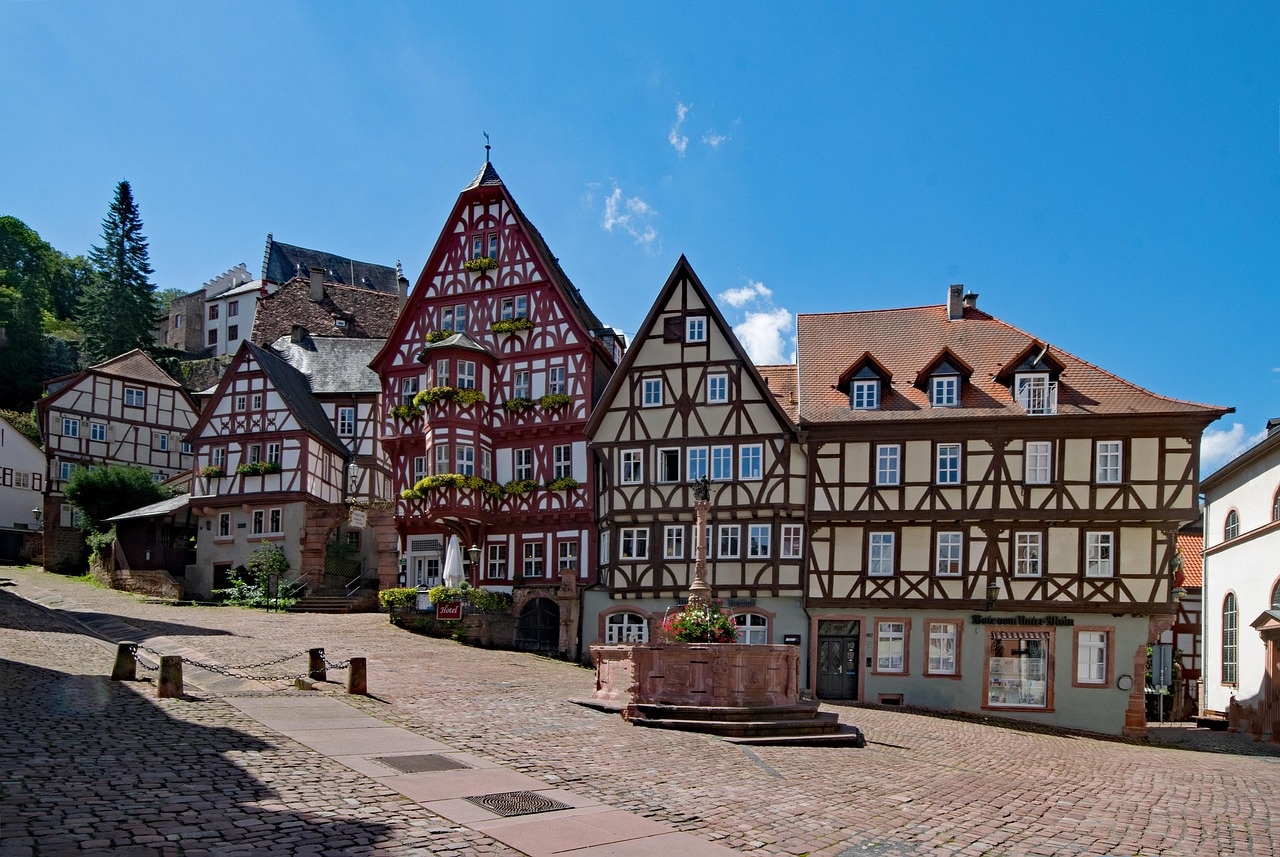
Germany is often associated with beer halls, Oktoberfest, and major cities like Berlin or Munich. Step beyond that familiar image, and a different side of the country appears.
There are towns where time feels slower, where cobblestone streets carry centuries of history, and where everyday life still follows an older rhythm.
This is about places where history is not presented as an attraction but exists as part of daily life. For those willing to explore beyond the obvious, Germany reveals a quieter, deeper experience that many travelers overlook.
Why these towns feel like stepping into the past
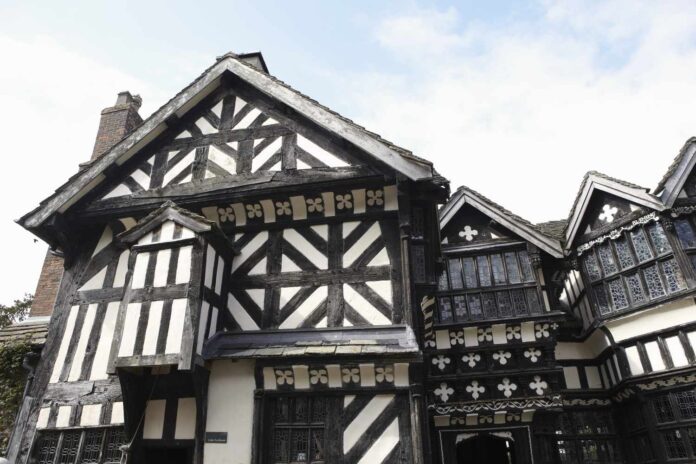
There’s something subtle but powerful about these places. It’s not just the architecture, although half-timbered houses and medieval walls help. It’s the pace, the sounds, even the way locals interact.
In towns like these, you notice things differently:
- Church bells marking time instead of phone notifications
- Small bakeries opening before sunrise, unchanged for decades
- Narrow alleys that weren’t designed for cars, and never will be
You don’t feel like a tourist rushing through highlights. You feel like you’ve slipped into a different era entirely. And that’s the magic. These towns aren’t preserved as museums. They’re alive, quietly carrying their past into the present.
Sometimes, travel experiences connect in surprising ways. A quiet evening walk, a meaningful conversation, or even meeting someone through services like Louisa can add a human layer to your journey.
It reminds you that places aren’t just defined by history or architecture, but by the people and interactions that shape them in the moment.
That’s what makes exploring Germany beyond beer so different. It becomes less about what you see and more about how you experience it.
Rothenburg ob der Tauber: a storybook that never closed
If there’s one place that captures the idea of “another century,” it’s Rothenburg ob der Tauber. Walking through its gates feels like entering a painting that somehow breathes.
The medieval walls still wrap around the town, and you can walk along them, looking out over red rooftops and green countryside. The market square hums gently, not loudly, just enough to remind you life goes on here.
| Feature | Why it stands out |
| City walls | Fully intact and walkable |
| Plönlein corner | One of the most photographed spots in Germany |
| Night watchman tours | A living tradition, not a performance |
What makes Rothenburg special isn’t perfection. It’s continuity. It has endured wars, tourism, and time, yet still feels grounded in its original rhythm.
Görlitz: a cinematic town frozen in elegance
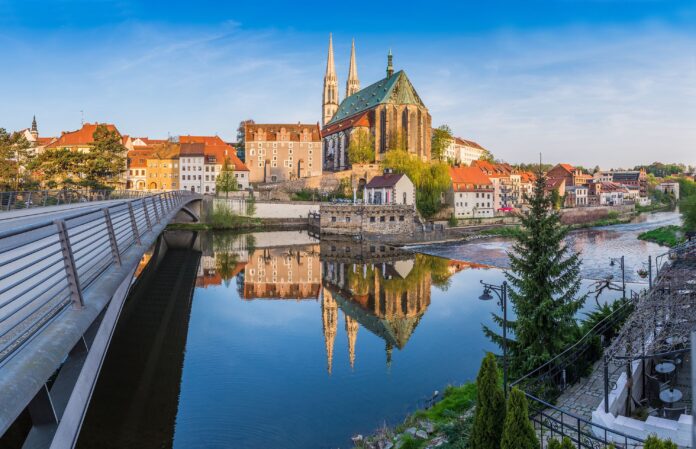
Head east to Görlitz, and you’ll find a town that feels almost unreal in its preservation. It’s so visually intact that filmmakers constantly use it as a backdrop.
Walking through Görlitz, you pass Gothic, Renaissance, and Baroque buildings within minutes. Yet it doesn’t feel staged. People live here, shop here, go about their day as if this architectural richness is completely normal.
Did you know: Görlitz has over 4,000 listed historical buildings, making it one of the best-preserved towns in Central Europe.
There’s a quiet elegance to the place. It doesn’t try to impress you. It just exists, and that’s enough.
Meersburg: where lake views meet medieval life
On the edge of Lake Constance lies Meersburg, a town that feels both peaceful and deeply historic. The moment you arrive, you notice the castle rising above the lake, watching over everything.
Here, life unfolds slowly. You might spend an afternoon simply walking along the water, then wander up into the old town where narrow streets twist between centuries-old houses.
Something interesting happens in Meersburg. The natural beauty of the lake softens the weight of history. It doesn’t feel heavy or distant. It feels lived in, almost comforting.
And maybe that’s why people linger here longer than planned. It invites you to slow down without asking.
Quedlinburg: a living museum that doesn’t feel like one
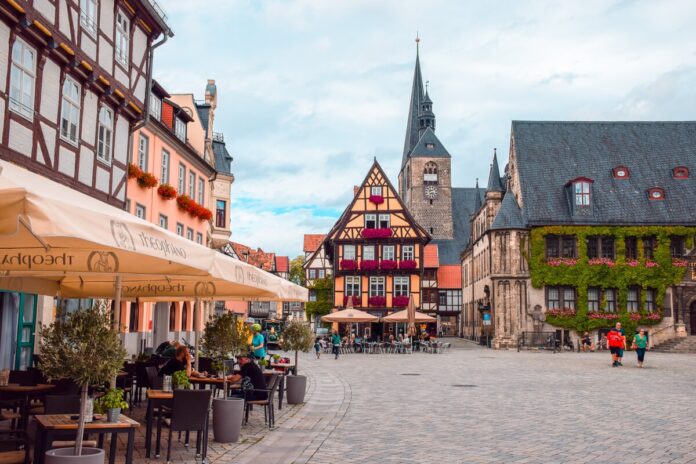
In Quedlinburg, history isn’t behind glass. It surrounds you. With over 1,300 half-timbered houses, some dating back six centuries, the town feels almost impossibly preserved.
But here’s the surprising part. It doesn’t feel frozen. People decorate their windows, cafés spill onto the streets, and life continues in these ancient spaces.
- The castle hill offers sweeping views of the old town
- The streets feel maze-like but never overwhelming
- Every building seems to tell its own quiet story
Quedlinburg manages to balance authenticity and everyday life in a way that few places can. It’s not trying to impress you, and that’s exactly why it does.
Why these places stay with you long after you leave
There’s something lasting about visiting towns like these. It’s not just the visuals or the history. It’s the feeling that you briefly stepped into a different pace of life.
You remember how quiet the mornings felt. How conversations weren’t rushed. How the absence of constant noise made everything seem clearer.
Germany beyond beer isn’t hidden because it’s hard to find. It’s hidden because most people don’t look for it. But once you do, you start to realize that these towns aren’t just destinations.
They’re experiences that gently shift how you see time, travel, and even everyday life.