
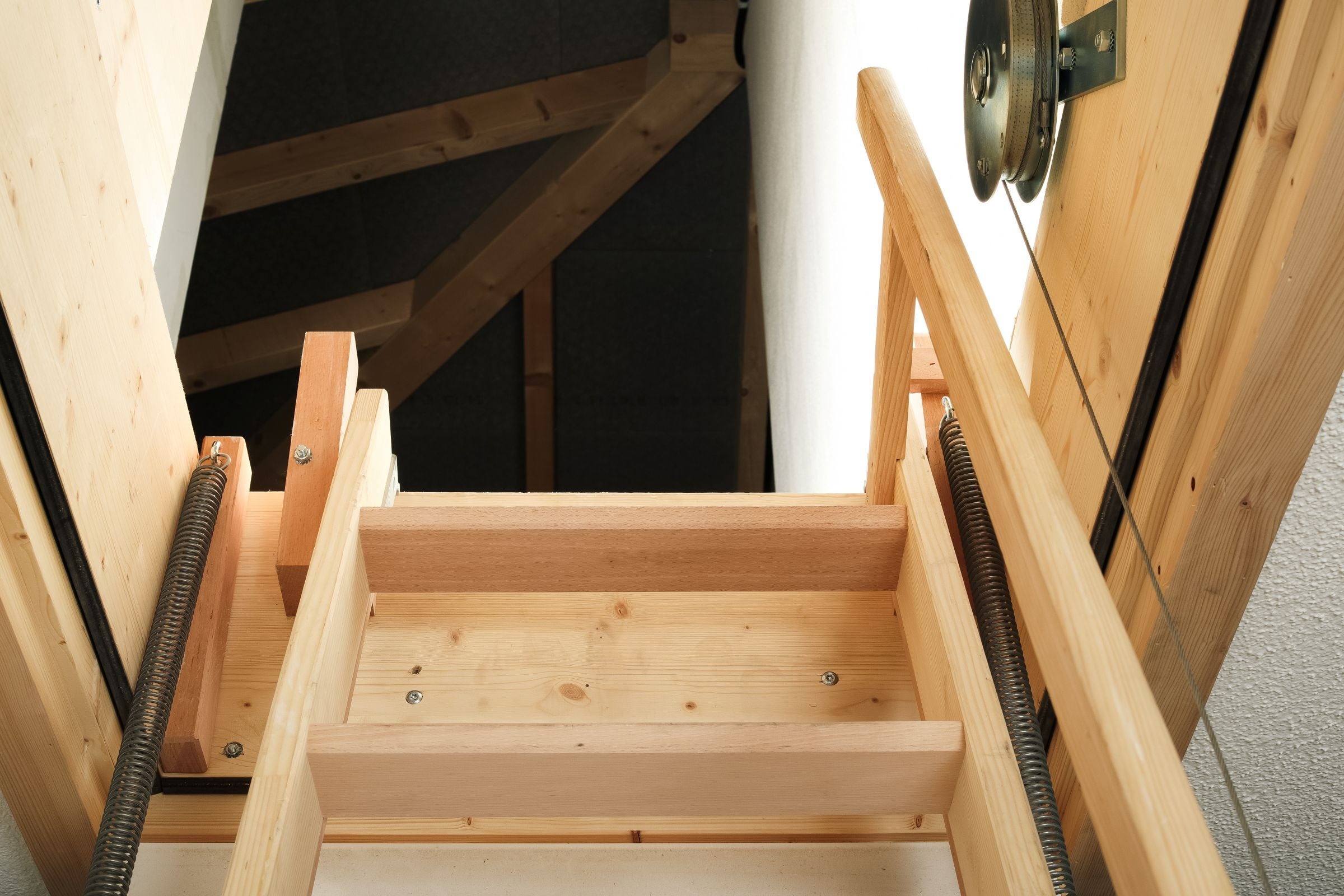
Loft spaces offer valuable additional room for storage, seasonal items, and belongings that are not needed daily.
Accessing this area safely and conveniently depends largely on a reliable loft ladder.
Installing one requires careful planning, accurate measurements, and consideration of the type of ladder best suited to the home’s layout.
Loft ladder installation is a practical upgrade that can make an underused space more functional while improving ease of access.
Assessing the Loft Space
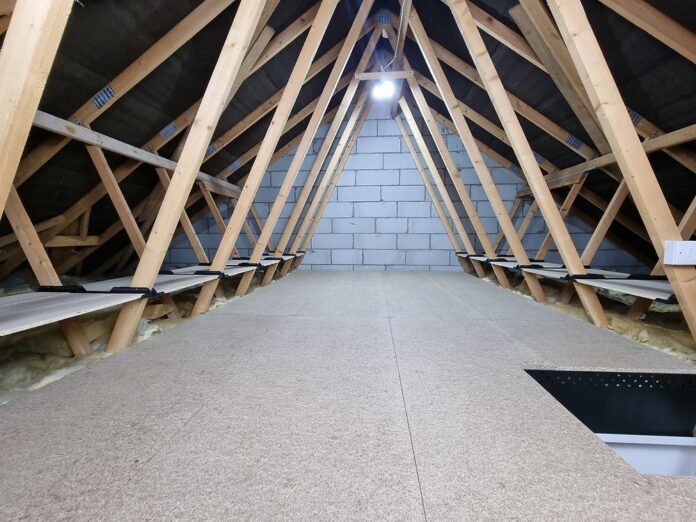
Before choosing a ladder, it is important to understand the structure and dimensions of the loft opening.
The size of the hatch, headroom within the loft, and clearance space on the landing all play a role in determining which type of ladder is appropriate.
A cramped landing may require a compact design, while a larger hallway could accommodate a more substantial option.
Homeowners should also consider the condition of the existing hatch. Older hatches may need to be enlarged or replaced to meet the requirements of modern ladder systems.
Ensuring the loft floor is sturdy and can safely support weight near the opening is also essential.
Types of Loft Ladders
Folding Ladders
Folding ladders are among the most common options. Typically made from timber or aluminium, they fold neatly into the loft space when not in use.
Timber versions offer stability and quiet operation, while aluminium options are lighter and easier to manoeuvre.
Sliding Ladders
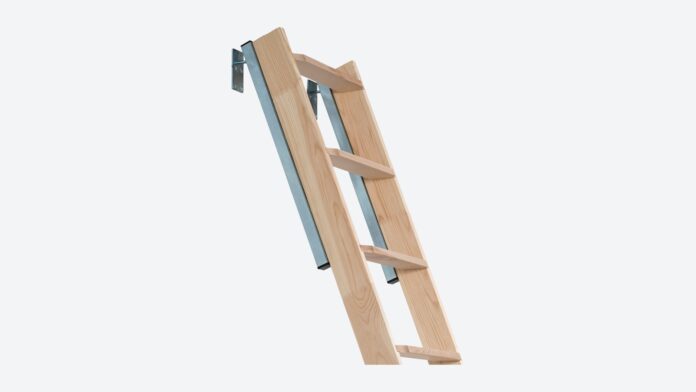
Sliding ladders extend in sections and require minimal effort to pull down. They are suitable for smaller loft hatches and tend to be cost-effective.
Their simple mechanism makes them a practical choice for quick access.
Telescopic Ladders
Telescopic ladders are compact and ideal for homes with limited space. They extend vertically and retract neatly into a small area.
Their lightweight design makes them easy to operate, though they are better suited to occasional access rather than frequent use.
Electric Loft Ladders
Electric models provide a convenient, automated solution for households that access the loft often.
Operated via remote control or wall switch, these ladders open and close effortlessly.
They require power access and professional installation but offer a high level of convenience for regular use.
Preparing for Installation

Accurate measurements are vital when planning the installation.
This includes the width and length of the loft opening, the distance from the loft floor to the landing, and available clearance for ladder operation.
Measuring incorrectly can lead to the ladder not fitting or functioning properly.
Once measurements are confirmed, the loft hatch may need adjusting.
Enlarging the opening must be done with care to avoid affecting structural components.
Replacing the hatch with an insulated model can also help improve energy efficiency, especially in older homes where heat loss through the loft is common.
Installing the Ladder
The installation process varies depending on the ladder type, but the general principles remain similar.
The frame of the ladder must be securely fixed to the loft opening, ensuring it is level and stable. Brackets and screws must be tightened properly to prevent movement during use.
For folding and sliding ladders, the mechanism must be tested several times to ensure smooth operation.
Telescopic ladders require correct alignment to prevent sticking or uneven extension.
Electric ladders involve additional steps relating to wiring and motor installation, which is best handled by a qualified professional.
Safety is a priority throughout the process. Proper use of tools, secure footing, and steady handling of heavy components help prevent accidents during installation.
Aftercare and Maintenance
Once installed, a loft ladder should be checked regularly to ensure it remains in good working condition.
Hinges and joints may need occasional lubrication, while screws and bolts should be inspected for tightness.
Cleaning the ladder and keeping the surrounding area clear helps maintain safe access.
For timber ladders, monitoring for signs of wear or warping is important. Aluminium and telescopic models should be checked for dents or damage that could affect stability.
Electric ladders may require periodic checks of the motor and control system.
Making the Most of Loft Access
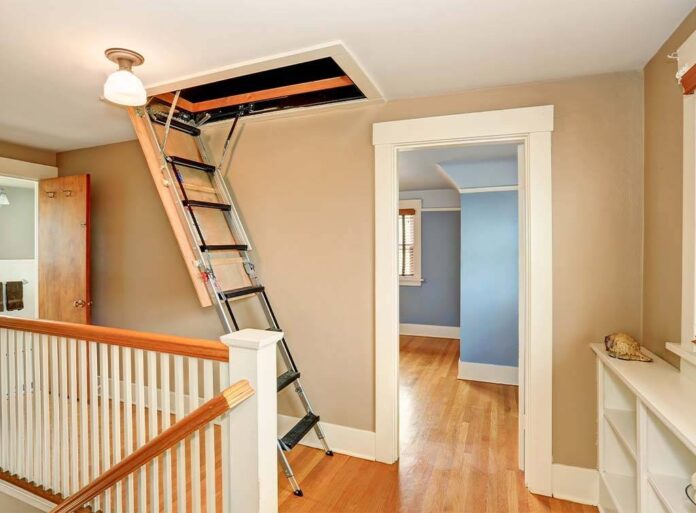
A properly fitted ladder makes the loft far more accessible, encouraging homeowners to use the space more efficiently.
Whether storing clothing, decorations, or occasional-use items, improved access helps maintain organisation throughout the home.
Those considering more detailed guidance or examples of different ladder types can find further information at loft ladder installation, which outlines various options and considerations for enhancing loft access.
A well-chosen and correctly installed ladder provides lasting convenience and contributes to the safe and practical use of the loft area.