
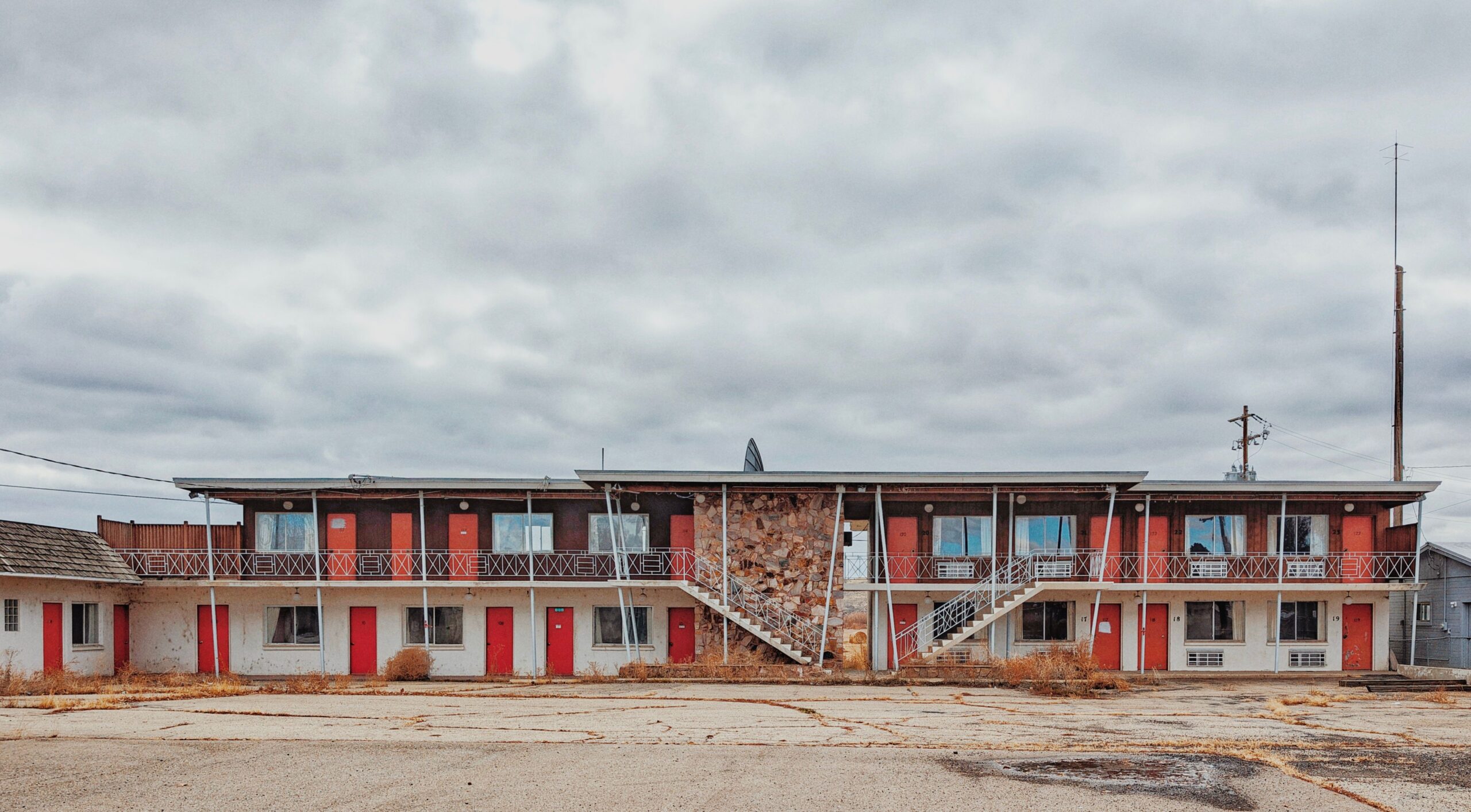
The closure of a motel can involve more than the loss of a local business. It can also expose problems with building conditions, public safety, and the responsibilities property owners have to the people using their facilities. When serious hazards go unaddressed, guests, long-term residents, and visitors may all be exposed to unnecessary risks.
The court-ordered closures of the Express Inn and Plantation Motor Inn in Lafayette offer a closer look at these issues. Both properties drew attention for persistent safety concerns, raising questions about deteriorating buildings, unsafe common areas, and the difficulties of protecting people who continue to occupy properties in poor condition.
These circumstances also touch on premises liability, particularly the responsibilities property owners have when buildings and shared spaces become unsafe. Issues involving deteriorating structures, known hazards, and preventable injuries are relevant to the work of a Lafayette personal injury lawyer, but they also raise broader questions about how property safety standards are enforced.
The Dangers of Deteriorating Buildings
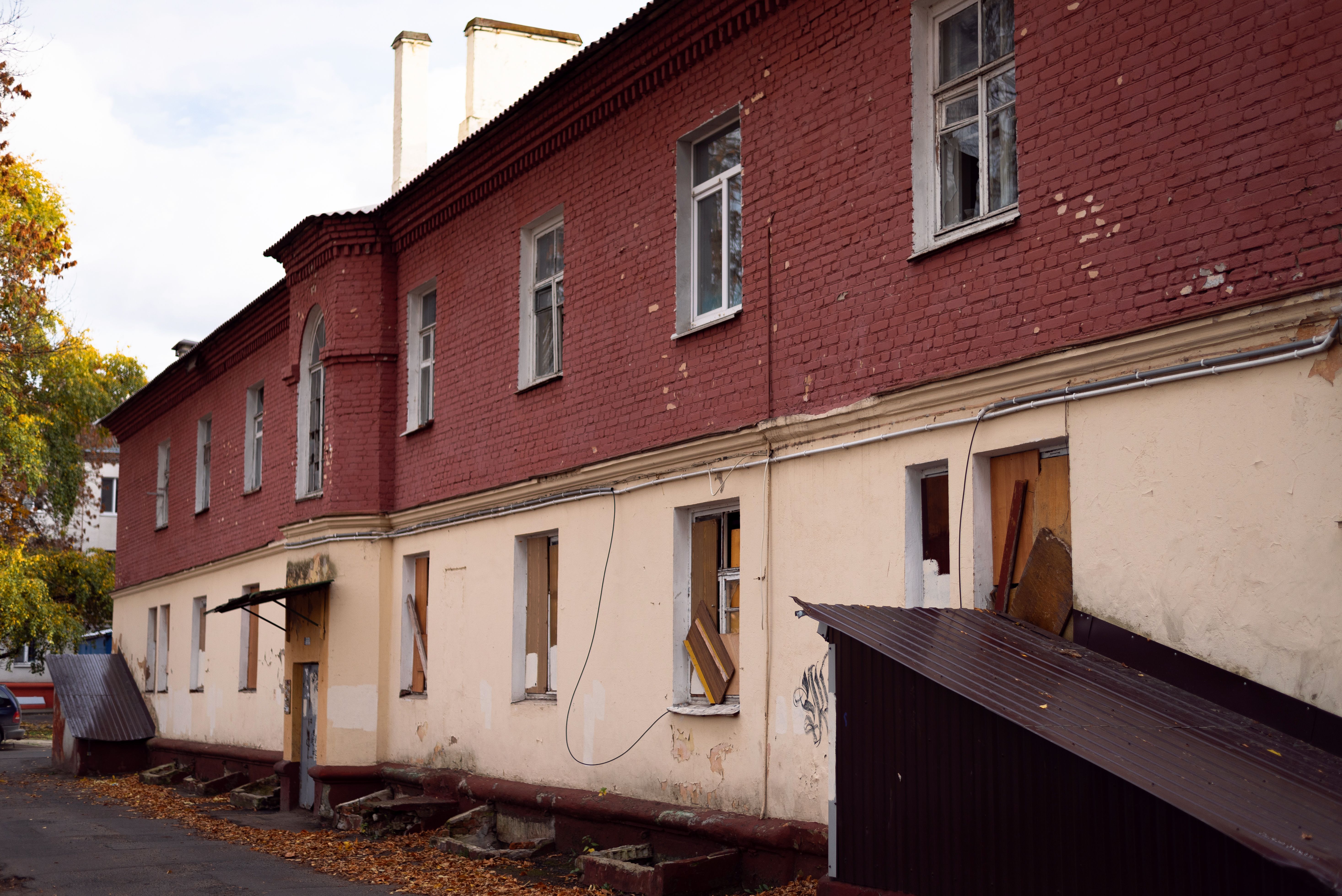
Motel properties have several features that require consistent attention. Guests and residents share staircases, hallways, parking lots, entrances, and other facilities, meaning a problem in one area can affect a large number of people.
An inspection of the Express Inn by Lafayette Consolidated Government on August 26 identified violations involving structural integrity, stairs and railings, secure doors, sanitation, plumbing, electrical systems, and fire safety. Inspectors also examined an occupied hotel building and a separate fire-damaged structure.
The range of findings illustrates how problems at a property can extend beyond its appearance or general upkeep. Damaged stairs and unstable railings can cause falls, faulty electrical systems can create fire risks, and inadequate fire protection can make an emergency more dangerous. Plumbing and sanitation issues can also affect the health of occupants.
When several of these conditions exist at the same property, the potential consequences become more serious. What might begin as an individual building defect can develop into a broader safety concern for everyone using the premises.
Hazards in Shared Spaces
Common areas are often where property-related injuries occur. Residents and guests may have little control over the condition of a walkway, staircase, or parking lot, but they must use these spaces to enter and leave their accommodations.
Poor lighting can make it difficult to identify obstacles, while broken steps, loose handrails, and uneven pavement can increase the likelihood of falls. Leaking pipes or inadequate drainage may leave standing water in frequently used areas. These problems can be particularly concerning when they are not addressed after being reported.
The Plantation Motor Inn presents another aspect of property safety. Lafayette officials documented more than 2,000 calls for service associated with the property between 2023 and August 2026. Although these calls involved broader public safety concerns, they demonstrate how conditions at a single location can affect the surrounding community over an extended period.
Property safety is not limited to the physical condition of a building. The way common areas are secured, monitored, and managed can also influence the risks faced by occupants and visitors.
Property Owners and Premises Liability
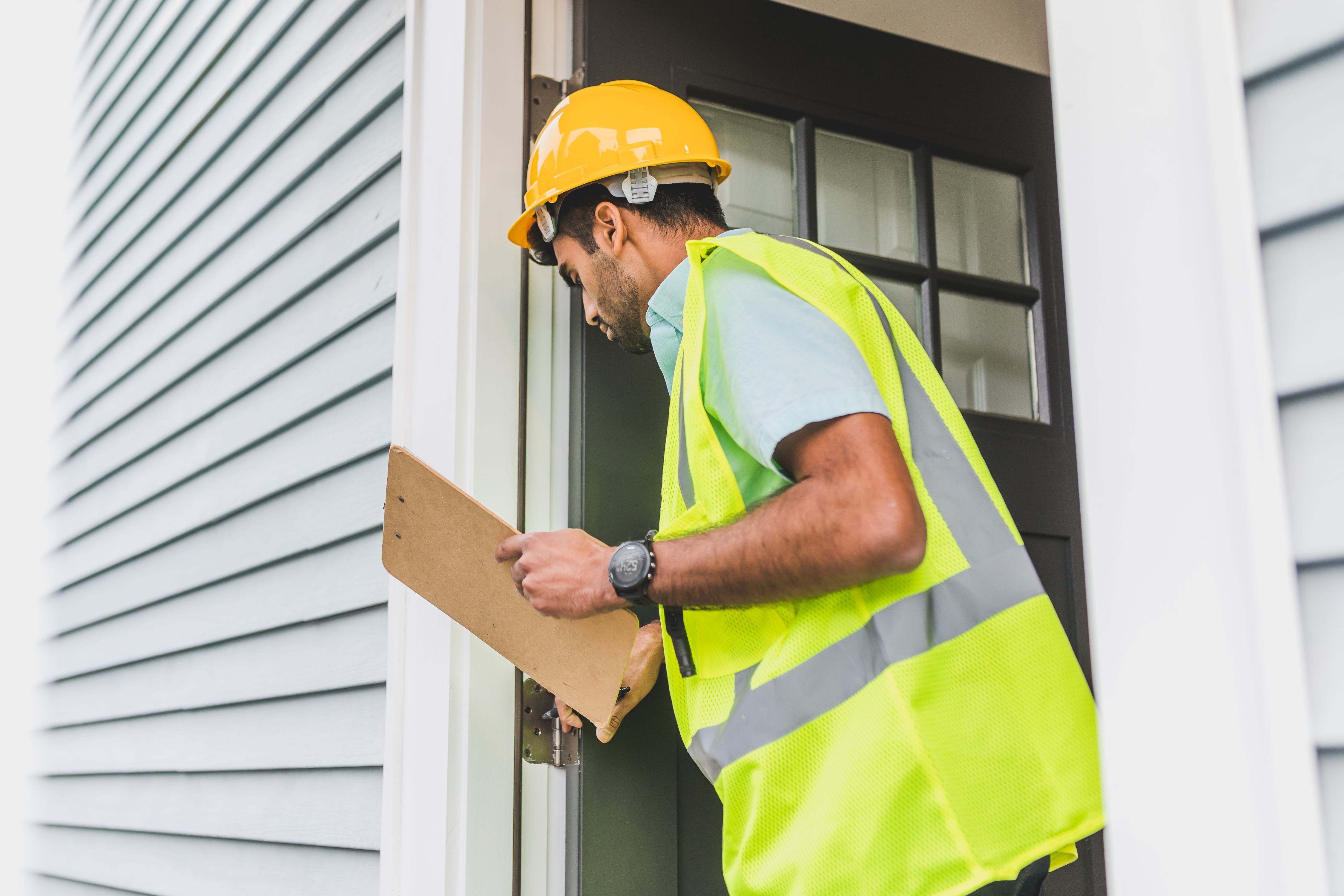
Under Louisiana premises liability law, property owners may be responsible for injuries caused by certain hazardous conditions on their premises. Establishing responsibility generally involves examining whether the condition presented an unreasonable risk of harm, whether the owner knew or should have known about it, and whether reasonable steps were taken to address the danger.
The circumstances of an incident are important. A visitor who falls on a damaged staircase, for example, may raise different legal questions from someone injured by a temporary spill. Previous complaints, inspection reports, photographs, and records of attempted repairs can help establish how long a hazard existed and whether the property owner had an opportunity to address it.
These issues are not unique to motels. Apartment complexes, shopping centers, office buildings, and other commercial properties can present similar risks when stairways, entrances, parking areas, and other shared facilities are allowed to deteriorate.
The Impact on Long-Term Residents
The motel closures also highlight a less obvious concern: the people who depend on these properties for housing. Although motels are generally designed for temporary stays, some individuals and families use them as longer-term accommodations because traditional rental housing is not financially accessible.
An order to close a property can leave these residents with limited time to find somewhere else to live. The situation becomes especially difficult when the building has serious safety problems but occupants have few practical alternatives.
The Plantation Motor Inn closure included a transition period allowing existing occupants to remain under their current arrangements for up to 45 days. The Express Inn, meanwhile, was ordered to stop operating immediately. Local housing organizations helped connect affected residents with alternative accommodations and other resources.
These circumstances show the difficulty of balancing public safety with housing stability. Removing people from an unsafe property may be necessary, but the process can create immediate hardship for residents who lack the resources to secure another place to stay.
What Happens to Properties After Closure?
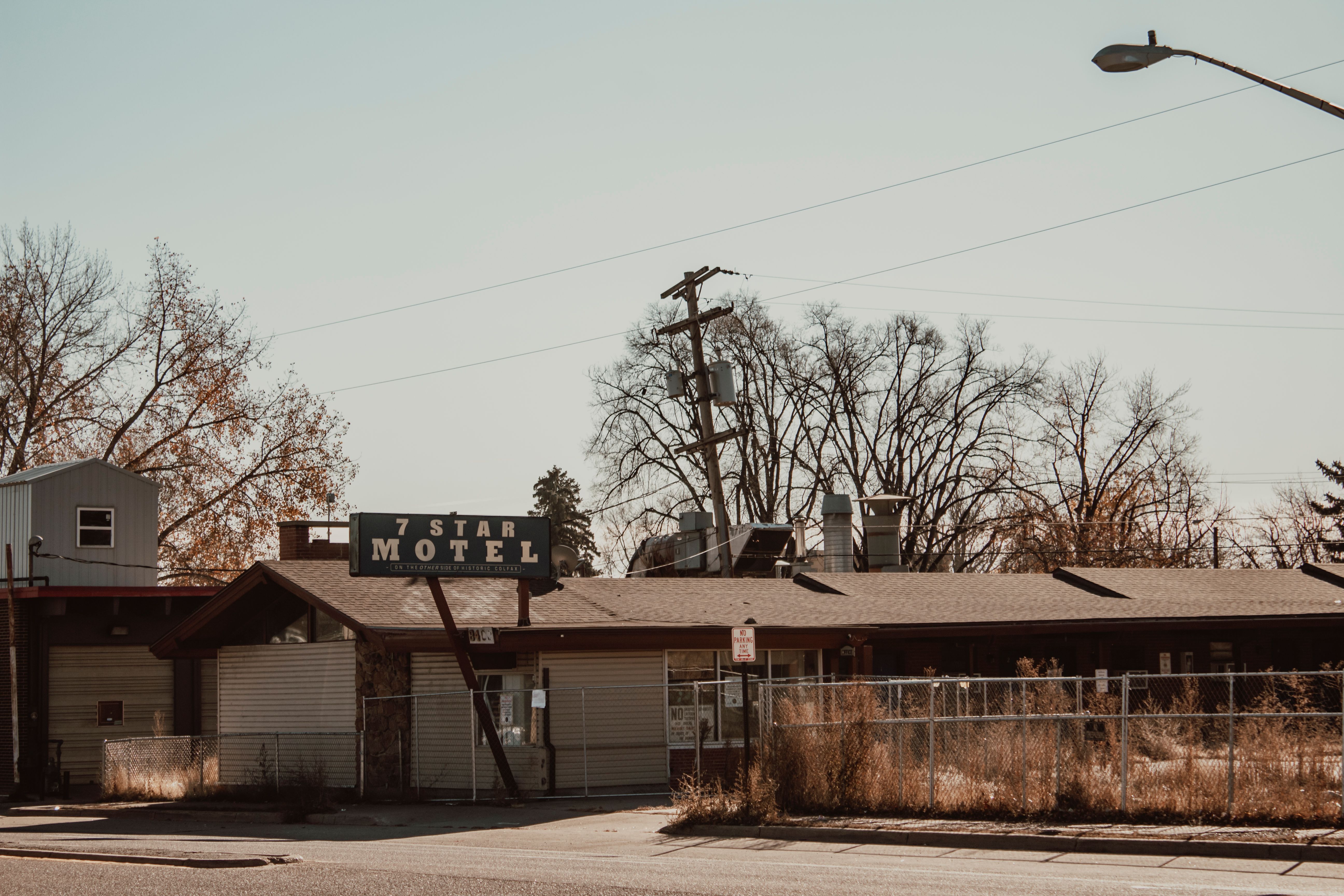
Closing a business does not automatically eliminate the hazards associated with its building. Vacant properties can become safety concerns of their own when they are not secured or properly managed.
Unsecured entrances may invite trespassing, while deteriorating structures can threaten pedestrians and neighboring properties. Fire-damaged buildings may also remain dangerous if their structural condition is not addressed.
The Express Inn illustrates how a closure can lead to further action. On November 18, Lafayette’s Administrative Adjudication Bureau ordered the property’s condemnation and required its structures to be removed within 120 days. The decision followed an unsuccessful proposal to renovate and redevelop the site over a longer period.
The order suggests that the property’s problems had moved beyond what could reasonably be addressed through ordinary improvements. It also underscores the importance of dealing with dangerous structures even after they are no longer occupied or operating as businesses.
A Broader Look at Property Safety
The closures of the Express Inn and Plantation Motor Inn demonstrate how deteriorating buildings can create problems that extend beyond property owners and their businesses. Unsafe facilities can put occupants and visitors at risk, affect neighboring communities, and complicate efforts to provide stable housing.
For Lafayette, these cases also raise questions about how other aging properties are monitored and whether serious safety violations are addressed before conditions become severe. Regular inspections, functional safety systems, and timely responses to reported hazards can make a meaningful difference.
Ultimately, keeping a property safe requires more than maintaining its appearance or keeping its doors open. The condition of its buildings, entrances, and shared spaces directly affects the people who depend on them every day.