In October 2024, Ohio’s Division of Cannabis Control recalled batches of Paragon flower sold in Mylar-style bags. The cannabis itself tested fine. The problem was the package: the cultivator could not produce documents certifying that the bag was child-resistant, a customer had tipped off regulators, and the product was pulled anyway. A Class II recall, triggered entirely by missing paperwork behind a pouch.
That is the reality of sourcing packaging for a regulated product, and it is why supplier selection deserves more than an afternoon of Googling. Cannabis packaging is not really packaging. It is a compliance artifact that also has to protect trichomes, survive a warehouse, and sell the brand on a shelf. Get the last one wrong and you are embarrassed. Get the first two wrong and you are recalling product.
My read is that most advice on this subject aims at the wrong target. Brands shop like consumers – mockups, samples, unit price – when a regulated business should shop like an auditor: documentation, production capability, and quality control first, aesthetics a distant fourth. A beautiful box from a supplier that cannot prove compliance is a liability with a logo on it.
Child-resistant is the floor. The documentation is the test.
Every regulated U.S. cannabis market requires child-resistant packaging at retail, and most state rules point to the same federal protocol: the Consumer Product Safety Commission’s testing standard under the Poison Prevention Packaging Act. A certified package has survived a panel test. Children aged 42 to 51 months must fail to open it at least 85 percent of the time in a timed trial (the bar drops only to 80 percent after an adult demonstrates the mechanism), while at least 90 percent of a senior-adult panel must be able to open and re-close it. Those thresholds are the whole game, and they are non-negotiable.
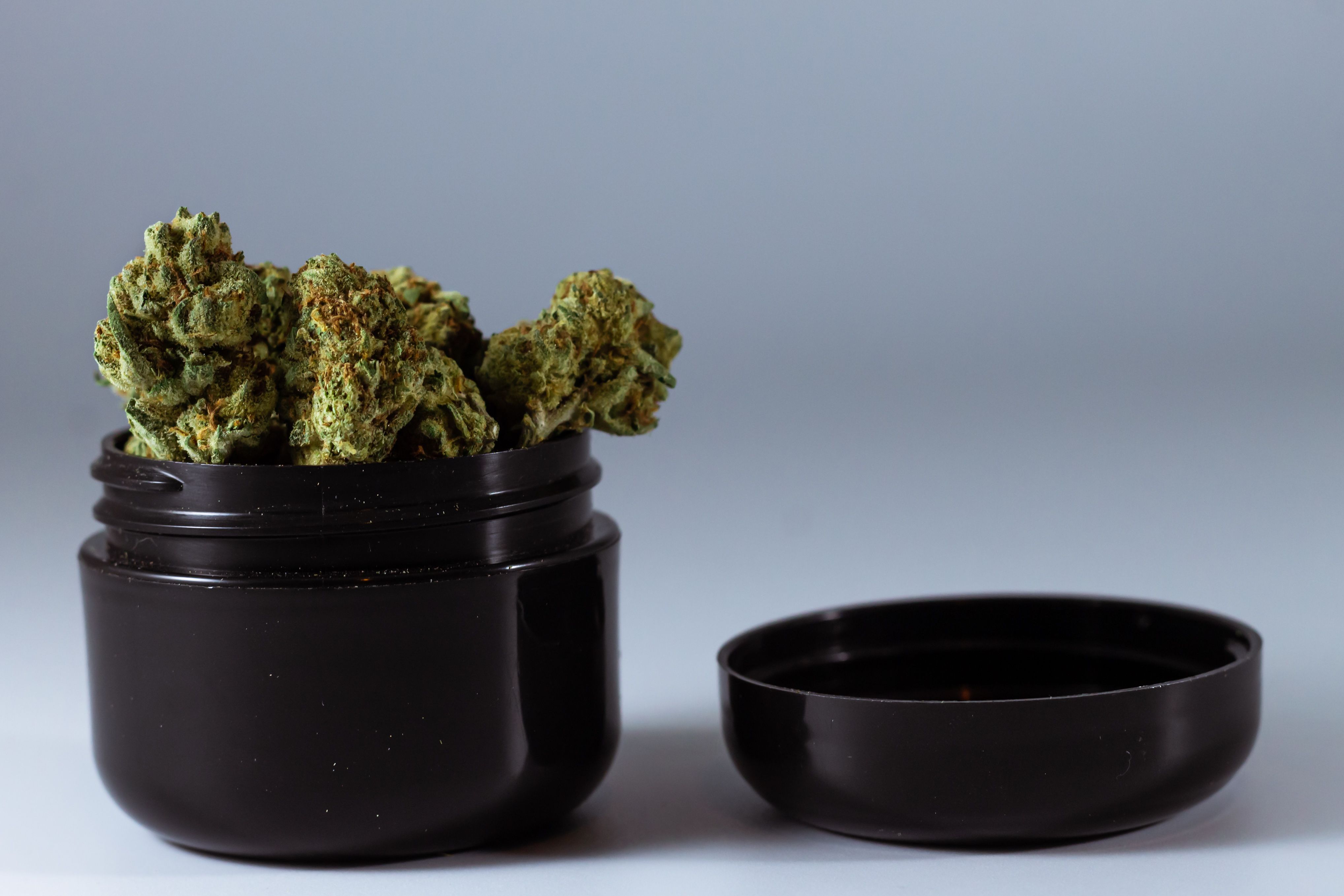
Then the states bolt their own detail on top. California, whose Department of Cannabis Control runs one of the strictest regimes, lets flower, pre-rolls, and other inhaled or topical products use packaging that is child-resistant only until first opened – provided the label admits “This package is not child-resistant after opening.” Edibles, tinctures, and other orally consumed products must stay child-resistant for the life of the product. A jar marketed as “child-resistant” tells you nothing about which of these it was engineered for, so a state-hopping brand cannot assume a single format works everywhere.
This is where supplier selection becomes a paperwork exercise. When a regulator asks, a verbal “yes, it’s child-resistant” is not an answer. You want a third-party lab report naming the exact format you are buying, tested under the applicable standard, current for that production run. Colorado has pressed operators whose certification documents did not match the specific format in use; Massachusetts is among the most active enforcers on packaging. A manufacturer that can produce that report on request has done the hard part. One that shrugs has handed you the risk.
The goalposts also keep moving. Texas’s consumable-hemp rules that took effect March 31, 2026 now demand child-resistant, tamper-evident, resealable packaging – with the final rule text published in the Texas Register only days before the compliance date. New York’s Office of Cannabis Management has moved to require at least 25 percent post-consumer recycled content in plastic packaging, with exemptions only where recycled resin is genuinely unavailable for the format. A supplier that sells you today’s compliant box leaves you to solve next quarter’s rule on your own.
Decide what the package must do before you compare suppliers
Compliance is the minimum, not the product. The package has real jobs that have nothing to do with regulation: keep flower from drying out, keep oxygen and UV light off cannabinoids and terpenes, keep the smell inside the bag and out of the living room, survive a drop, and – for multi-serving edibles – reseal in a way that stays child-resistant across dozens of open-and-close cycles. Michigan regulators have made exactly that point: a CR closure must keep functioning as a reseal over repeated use, not merely on first open.
Product format should drive your shortlist before price ever does. Flower wants an airtight Mylar bag or jar with room for humidity control; concentrates and vape carts want UV protection and odor control; pre-rolls need tubes that keep the paper from crushing; edibles need portioning and resealable, genuinely child-resistant packs. A manufacturer who asks about your product’s moisture content and shelf-life targets is telling you they understand the job. One who only asks what color you want is telling you they plan to sell you a stock item and move on.
A supplier is not a manufacturer
Here is the term to distrust: “custom packaging.” Almost any reseller can print your logo on a stock bag and call it custom. Custom, in the sense that matters for a regulated product, means the manufacturer can change the structure – the closure, the film, the barrier, the dimensions – to fit your SKU and your compliance obligations. That requires owning tooling and converting equipment, and most brokers do not.
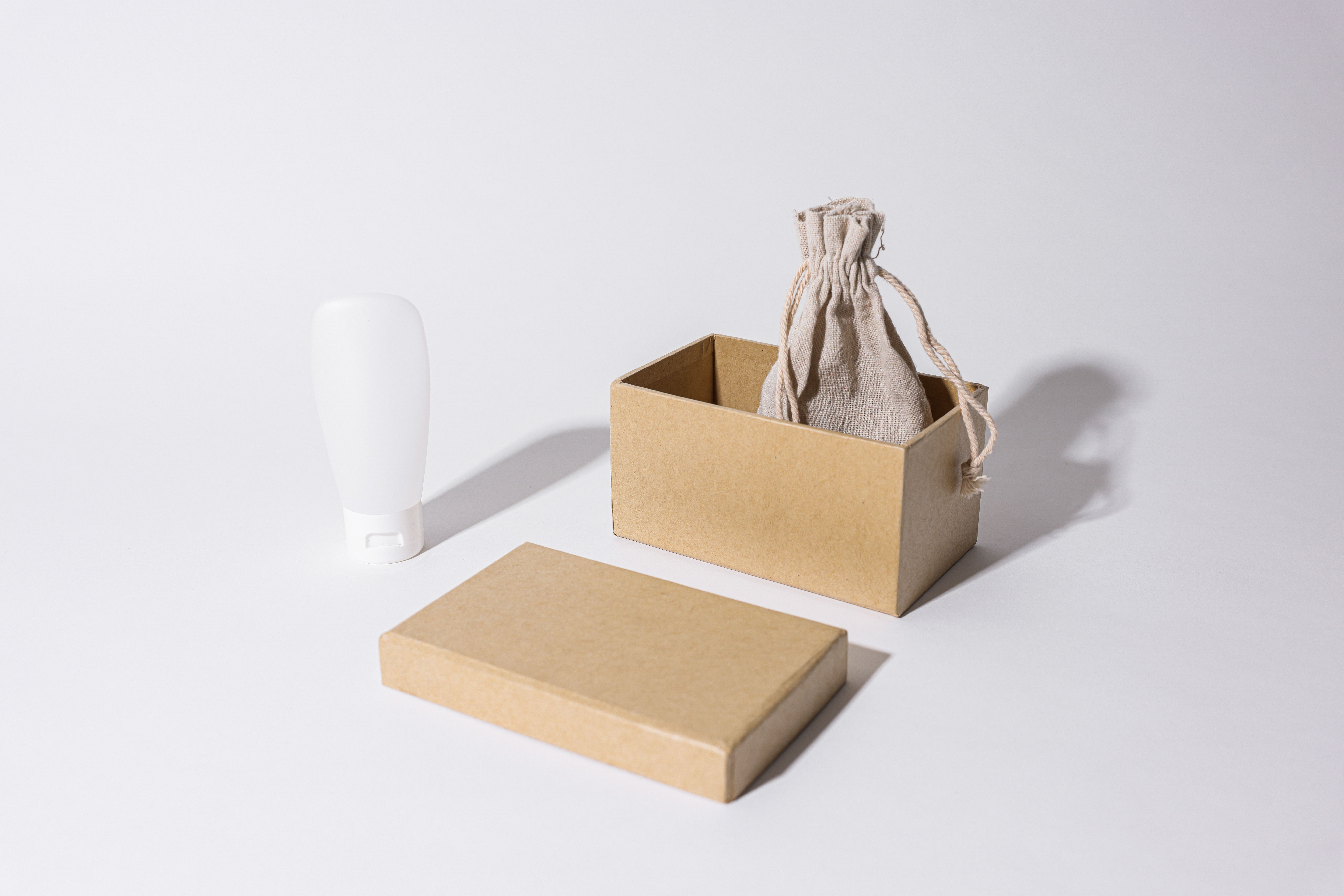
So the first question to any candidate is not “how much?” but “who owns the line?” A genuine manufacturer talks about dielines, material specifications, and structural mockups before the conversation drifts to artwork. A middleman offers a catalog of stock SKUs, quotes enormous minimums because they do no converting of their own, and treats “customization” as a synonym for putting your logo on their shelf item. When your child-resistant closure needs to change because a state changed its rule, only the party that owns production can actually fix it.
How to tell a real factory from a front
Ask to watch the line that will run your order – live, on video, with the machinery running. In cannabis packaging, plenty of “U.S.-based suppliers” are actually brokers forwarding orders to third-party plants they have never visited. That is not automatically disqualifying, but it does mean nobody in the chain owns quality, and quality problems will surface as your problem at retail.
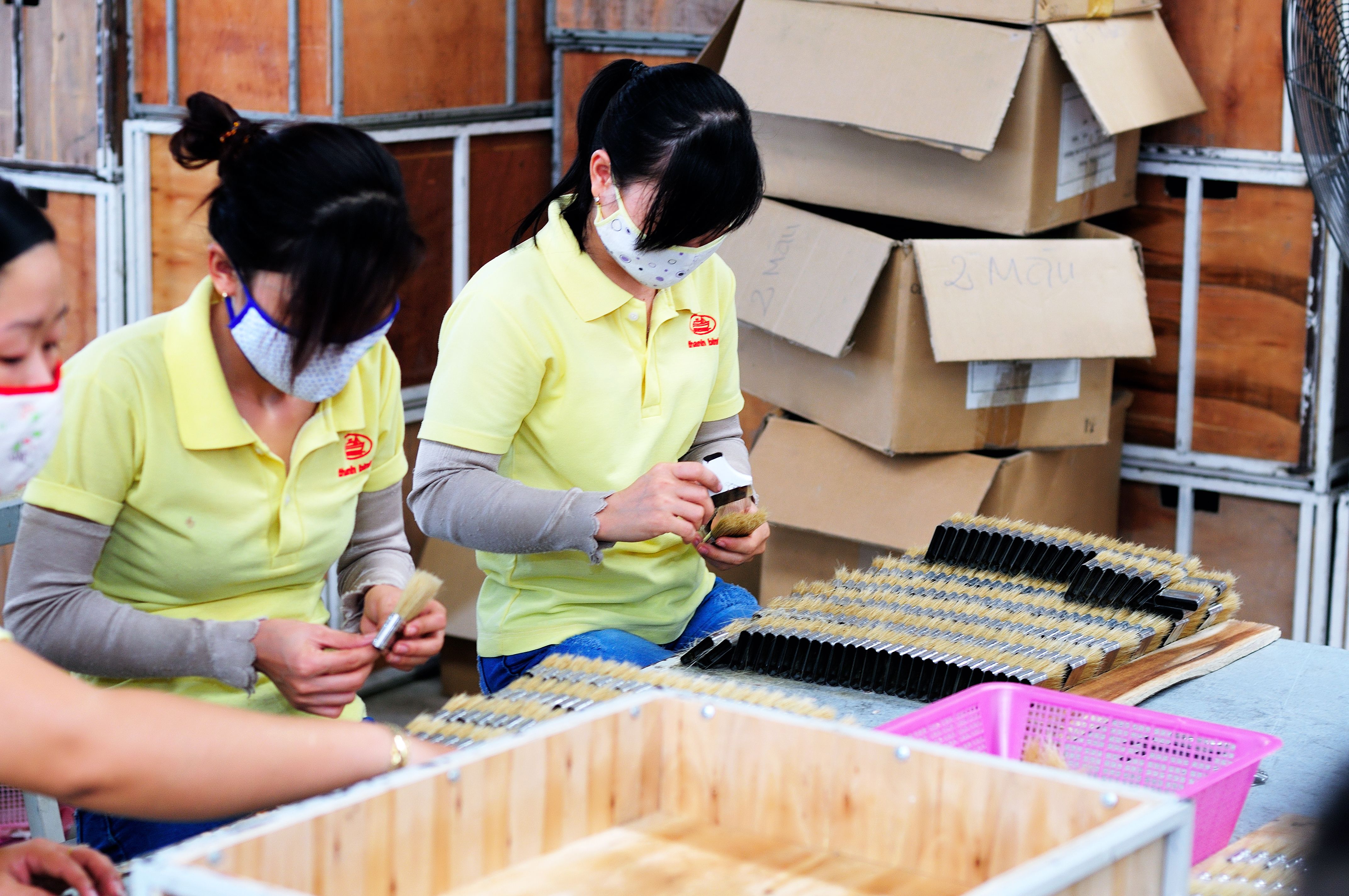
Direct manufacturers wear their process in the open. A factory like Feel U Packing And Printing runs its own automated Mylar-bag line and a dedicated box plant, offers child-resistant, smell-proof, and tamper-evident options, and fields a U.S.-based design team with minimum orders that start around a hundred units – which is exactly the profile that lets a small brand iterate without betting the company on one run. Whether you work with them or someone else, the test is the same: can they show you production, not just a portfolio?
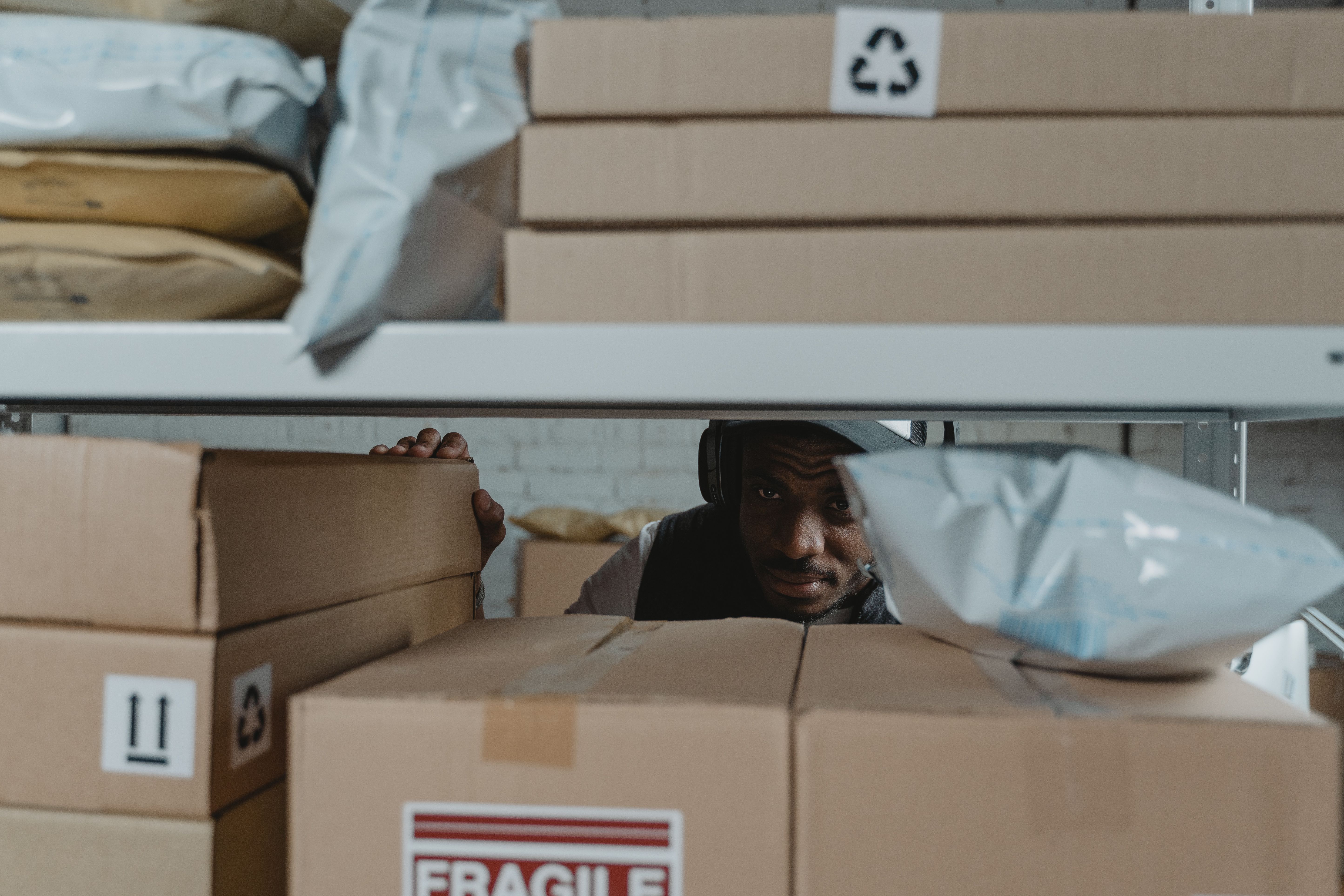
Quality control is a process, not a promise. Ask for the protocol: in-process checks on the line, statistical sampling on finished goods, what happens to a bad batch, and whether batch records tie back to your order. Any manufacturer worth the name keeps a written defect history and will walk you through it. A supplier that resists a facility audit or a look at QC logs is telling you what you need to know.
The price trap: minimums, samples, and total landed cost
The cannabis packaging market is booming and crowded, which makes comparison shopping feel easy and reliable sourcing feel impossible. How crowded? The market-research firms cannot even agree on the size of it – one reputable house puts global packaging spend near $7.4 billion for 2026 while another puts it just above $2.3 billion. That three-to-one disagreement is a feature of a young, chaotic industry, and it should make you suspicious of any supplier whose pitch leans on scale.
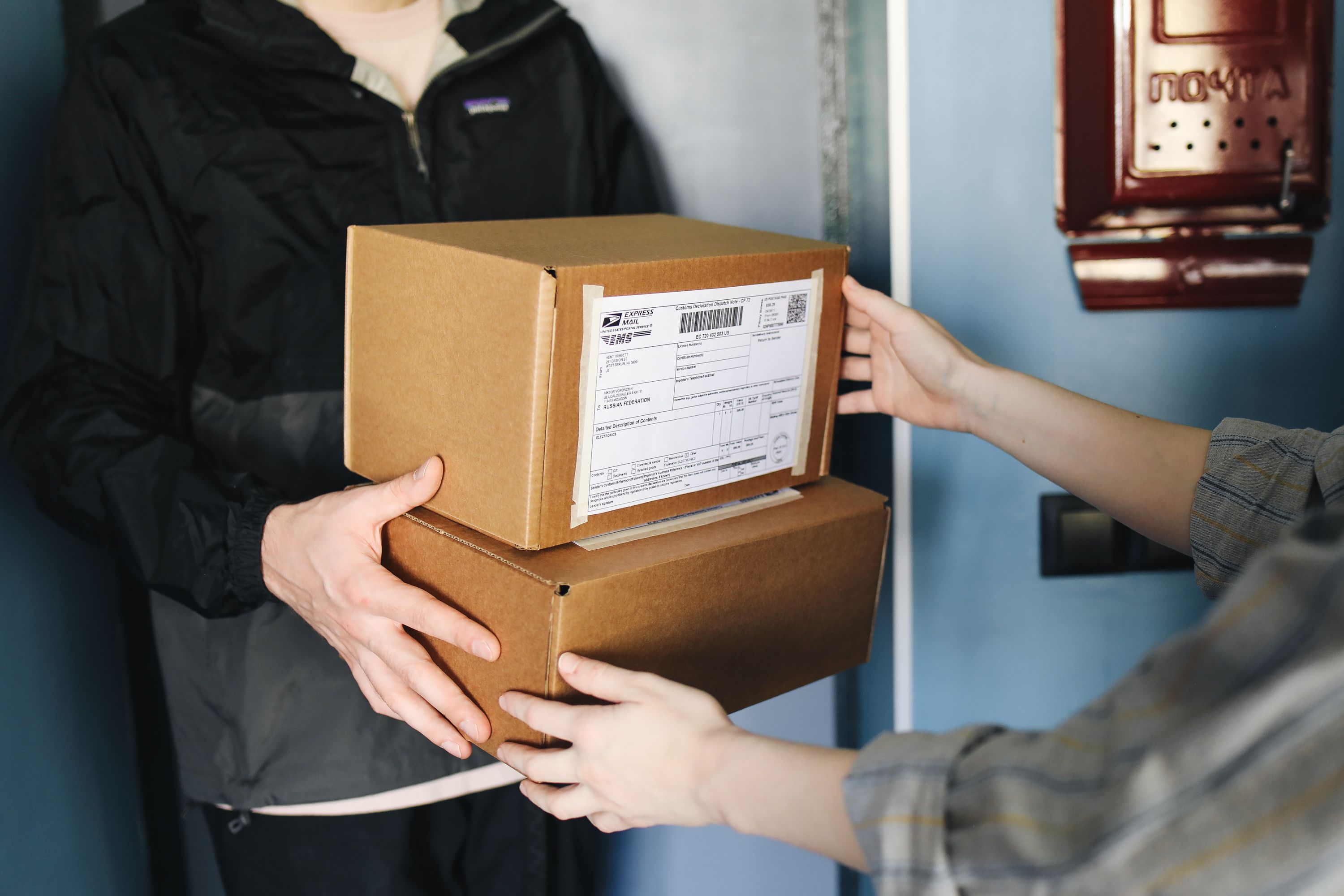
Three figures matter more than unit price: the minimum order quantity, the lead time, and how reorders handle compliance-driven artwork changes. Regulated products get relabeled constantly, and every label change can force a reprint of your entire standing stock. If a supplier’s minimum is 100,000 bags and a state changes a warning requirement, you are re-printing months of inventory you were going to sell anyway. The total landed cost is unit price plus freight plus duties plus sample iterations plus, at the worst end, the cost of a recall. The last line item is the one that makes cheap quotes expensive.
So which do you take: the factory that quotes a slightly higher unit price but holds your hand through reprints when a label rule shifts, or the one that is a few cents cheaper per bag and cannot document the exact format you are buying? The math only looks easy before the recall notice goes out. And never skip the physical sample stage – order samples, run them through repeated open-and-close cycles, and test them with your actual product before you commit to volume.
“Buy domestic” is the wrong rule. Verification is the right one.
The conventional wisdom among cannabis operators is to buy domestic, and it has a real argument behind it: shorter lead times, easier communication, faster fixes, and no designs wandering across borders. That view is common enough that it is the default advice in industry sourcing columns, and it is not wrong about the benefits – it is wrong about the logic.
I think “buy domestic” is geography doing the work of due diligence. A domestic supplier that is a broker buying from the same overseas plant is not actually shorter, faster, or safer; it has simply moved the risk behind a nicer website. Conversely, an overseas manufacturer you can verify directly – by live line walkthrough, by test report, by direct conversation with the people running production – is not inherently riskier than a reseller in your own time zone. The variable that predicts reliability is not the country code on the invoice. It is whether you can see the line, hold the certification, and reach the person accountable for quality.
The intellectual-property worry deserves more respect than the rest of the geography argument. Brand designs do get knocked off, and contract terms only help after a leak. But the mitigations – NDAs, watermarked proofs, production runs that never ship your finished artwork as a sample – are available on both sides of the ocean. Ask how a candidate protects your files before you send them anything.
Choosing a reliable custom packaging manufacturer: the checklist
Before you sign anything, run every candidate through the same table. If a supplier stumbles on the first three rows, no discount makes up for it.
| What to ask | A straight answer looks like |
|---|---|
| Who actually manufactures this? | A named plant, an invitation to watch the line run, capacity figures that match your order size |
| Is this exact format child-resistant certified? | A third-party lab report under 16 CFR §1700.20 naming your SKU and format, current for the production run |
| What is your quality-control protocol? | In-process checks, a statistical sampling plan, batch traceability, and a written defect history you can review |
| What are the MOQ and lead time – including reorders? | A realistic minimum for a custom run and a timeline that accounts for compliance-driven artwork changes |
| How do you handle a regulation change? | Concrete examples of past reprints or redesigns, and a team that can adjust artwork and structure |
| Can you reference current cannabis clients? | At least two references you can call about on-time delivery and quality, not a logo wall |
The reliable manufacturer is rarely the cheapest, the flashiest, or the one with the biggest minimum order. It is the one whose paperwork survives an inspection, whose production you have seen, and whose quality-control process is boring and repeatable. Shop for that one and the packaging takes care of itself. Shop for the other and you are gambling your license on a discount.
How this article was put together
This piece set out to answer, for cannabis and hemp brand operators, how to vet a custom packaging manufacturer before committing. I checked current regulatory sources in September 2026 – the CPSC’s PPPA guidance, California’s Department of Cannabis Control child-resistant packaging rules and the underlying 16 CFR §1700.20 protocol, Ohio’s October 2024 Paragon recall notice, and the Texas consumable-hemp rules effective March 31, 2026 – plus state-level and market-research materials. Market-size figures conflict sharply between research houses (a roughly three-to-one gap for 2026), so treat any single forecast as directional; regulatory detail varies by state and changes often, and the cannabis packaging market estimates will need rechecking within a year. Feel U Packing And Printing, mentioned as an example of a direct manufacturer, is a commercial reference.