

Managing overwhelming debt can become difficult when monthly payments, creditor demands, or financial setbacks make it challenging to stay current. For individuals who have a steady income but need additional time to resolve their obligations, Chapter 13 bankruptcy may provide a structured path toward financial recovery.
Seeking Chapter 13 filing help in San Diego can help individuals understand eligibility requirements, prepare required documents, develop a repayment plan, and navigate the bankruptcy process. A knowledgeable bankruptcy attorney can provide guidance throughout each stage while helping protect the filer’s rights and financial interests.
What Is Chapter 13 Bankruptcy?

Chapter 13 bankruptcy is a form of debt reorganization that allows individuals with regular income to create a court-approved repayment plan. Instead of immediately eliminating debts, Chapter 13 allows eligible filers to repay some or all obligations over a period that generally lasts between three and five years.
This type of bankruptcy may be useful for individuals who want to:
- Catch up on overdue mortgage payments
- Prevent foreclosure
- Protect certain assets
- Stop creditor collection actions
- Manage multiple debts through one repayment structure
Unlike Chapter 7 bankruptcy, which focuses primarily on discharging eligible unsecured debts, Chapter 13 provides a structured repayment option for people who have income but need additional time to resolve financial challenges.
Who May Benefit From Chapter 13 Bankruptcy?
Chapter 13 is often considered by individuals who do not qualify for Chapter 7 or who have specific financial goals that make repayment preferable.
People may explore Chapter 13 if they:
- Have a consistent source of income
- Are behind on mortgage or vehicle payments
- Want to protect valuable property
- Need time to repay certain debts
- Are facing foreclosure or repossession risks
Because Chapter 13 requires ongoing monthly payments, it is important to evaluate whether the proposed repayment plan is realistic based on income and necessary living expenses.
The Chapter 13 Filing Process
Understanding the steps involved can help individuals feel more prepared before beginning the bankruptcy process.
Reviewing Your Financial Situation
The first step is evaluating your complete financial picture. A bankruptcy attorney will typically review:
- Income sources
- Monthly expenses
- Secured and unsecured debts
- Property ownership
- Financial goals
This assessment helps determine whether Chapter 13 is the appropriate option or whether another debt relief strategy may be more suitable.
Preparing Bankruptcy Documents
Chapter 13 requires extensive documentation to provide the court with a complete overview of the filer’s finances.
Documents may include:
- Income records
- Tax returns
- Bank statements
- Loan information
- Property records
- Monthly expense reports
- Lists of creditors
Accurate documentation is essential because bankruptcy cases depend on complete financial disclosure.
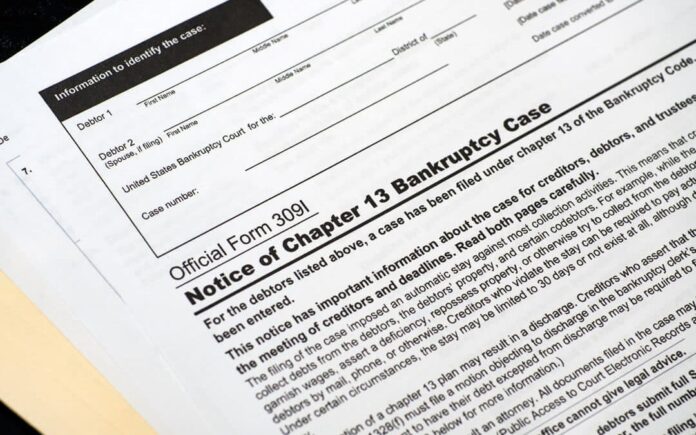
Creating a Repayment Plan
A major part of Chapter 13 filing is creating a repayment plan that explains how debts will be handled during the repayment period.
The plan may address:
- Mortgage arrears
- Vehicle loans
- Tax obligations
- Credit card balances
- Medical debt
- Other financial obligations
The proposed plan must meet bankruptcy requirements and receive court approval before becoming effective.
The Role of the Bankruptcy Trustee
After filing, a Chapter 13 trustee is assigned to oversee the case. The trustee reviews the repayment plan, collects payments, and distributes funds to creditors according to the approved terms.
The trustee may also:
- Review financial documents
- Monitor repayment progress
- Address creditor claims
- Ensure compliance with bankruptcy requirements
Having proper legal guidance can help individuals better understand trustee requirements and respond appropriately throughout the process.
Benefits of Filing Chapter 13 Bankruptcy
Chapter 13 provides several protections and advantages for qualifying individuals.
Protecting Your Home From Foreclosure

One of the primary reasons people consider Chapter 13 is the ability to address missed mortgage payments while maintaining ownership of their home.
Through a repayment plan, individuals may have an opportunity to catch up on past-due amounts over time.
Stopping Certain Collection Actions
Filing bankruptcy generally activates an automatic stay, which can stop many creditor collection activities. Depending on the circumstances, this protection may help with issues such as collection calls, wage garnishments, and certain foreclosure actions.
Managing Debt Through One Payment
Instead of handling multiple creditors separately, Chapter 13 allows eligible debts to be managed through a single court-approved repayment plan.
This can provide:
- Greater financial organization
- Predictable monthly payments
- A structured path toward debt resolution
Common Challenges During Chapter 13 Cases
Although Chapter 13 can provide important benefits, completing the process requires commitment and careful planning.
Common challenges include:
- Missing required payments
- Unexpected income changes
- Creating an unrealistic repayment plan
- Failing to provide updated financial information
- Not meeting court requirements
Working with an experienced attorney can help identify potential issues before they threaten the success of the case.
How a Chapter 13 Bankruptcy Attorney Can Help

Filing Chapter 13 involves detailed legal procedures, strict deadlines, and negotiations with creditors and trustees. Professional guidance can make the process easier to understand and manage.
A bankruptcy attorney may assist with:
Evaluating Eligibility
An attorney can review income, debts, and financial circumstances to determine whether Chapter 13 may be appropriate.
Preparing and Reviewing the Repayment Plan
Creating a workable repayment plan is one of the most important parts of a Chapter 13 case. Legal guidance can help ensure the plan addresses required obligations while remaining realistic.
Communicating With Creditors and Trustees
A lawyer can help handle communications, respond to creditor concerns, and address issues that arise during the case.
Representing You Throughout the Process
From filing paperwork to attending required hearings, legal representation can help ensure that important steps are completed correctly.
Individuals seeking Chapter 13 filing help in San Diego can consult bankruptcy professionals such as Bankruptcy Law Offices of Mark L. Miller, Bankruptcy Legal Center, and Chang & Diamond Bankruptcy Lawyer Group of San Diego for guidance related to bankruptcy cases and debt relief options.
Preparing for a Chapter 13 Consultation
Before meeting with a bankruptcy attorney, gathering financial information can help make the consultation more productive.
Useful documents may include:
- Recent pay statements
- Tax returns
- Mortgage statements
- Vehicle loan documents
- Credit card statements
- Collection notices
- Property records
Questions to discuss may include:
- Do I qualify for Chapter 13?
- How much would my monthly payment be?
- Which debts can be included?
- Can I protect my home or vehicle?
- What happens after completing the repayment plan?
Moving Toward Financial Stability

Chapter 13 bankruptcy can provide a structured solution for individuals who need time and legal protection to address significant debt. While it requires commitment and careful planning, it may help eligible individuals regain control of their finances while protecting important assets.
With the right legal guidance, individuals can better understand their options, complete the filing process correctly, and work toward a more stable financial future.