
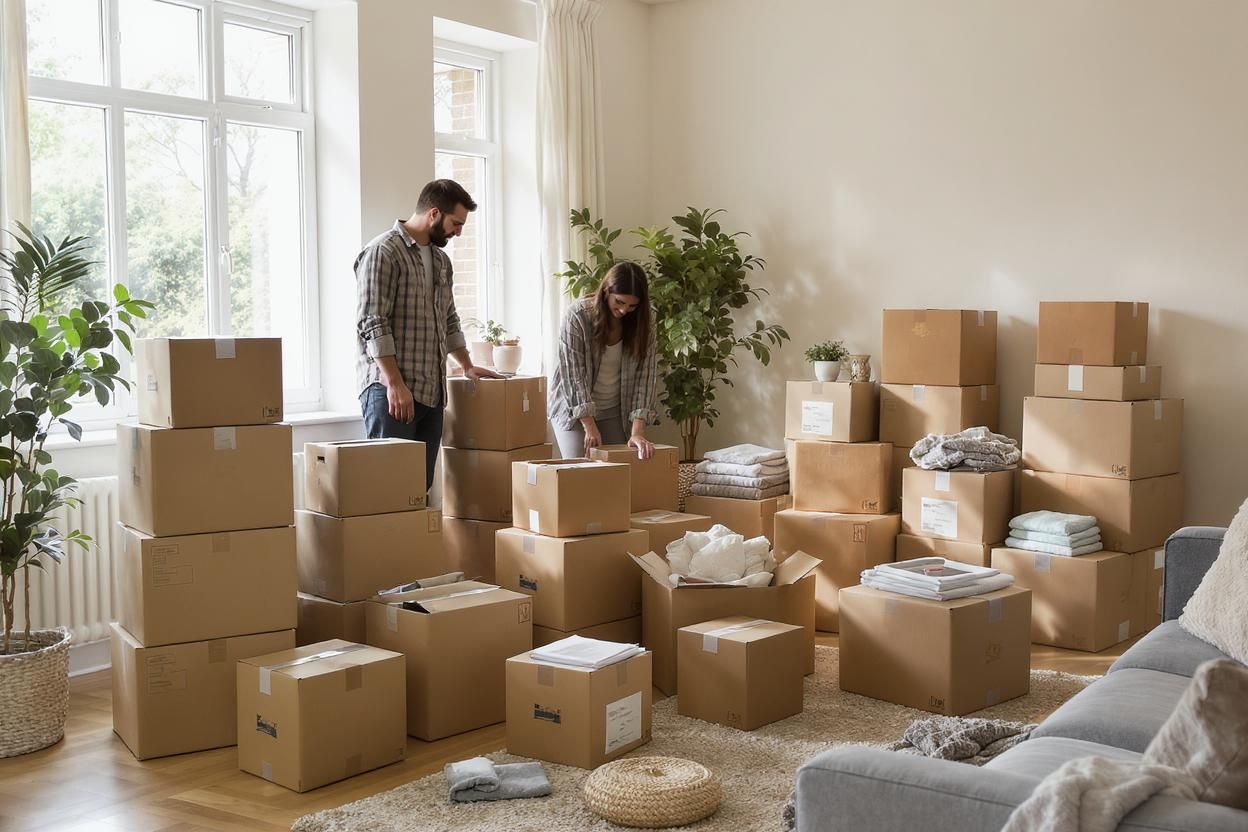
A house move has a way of revealing how much stuff we actually own. One minute you’re confident everything will fit into a few boxes. A few hours later you’re staring at a growing pile of kitchen gadgets, cables, books, and decorations wondering where they all came from.
The good news is that most moving damage is preventable. Broken dishes, scratched furniture, and crushed boxes often happen because people rush the packing stage. A little planning can save money, frustration, and the disappointment of opening a box full of damaged belongings.
Start Packing Before You Think You Need To
One of the biggest mistakes I see is waiting until the final week. Have you ever packed while watching the clock? It rarely leads to careful decisions.
I prefer starting with things I know I won’t use for several weeks. Seasonal clothes, spare bedding, decorations, and rarely used kitchen items are usually good candidates. Packing non essential belongings first also gives you a better idea of how many supplies you’ll actually need.
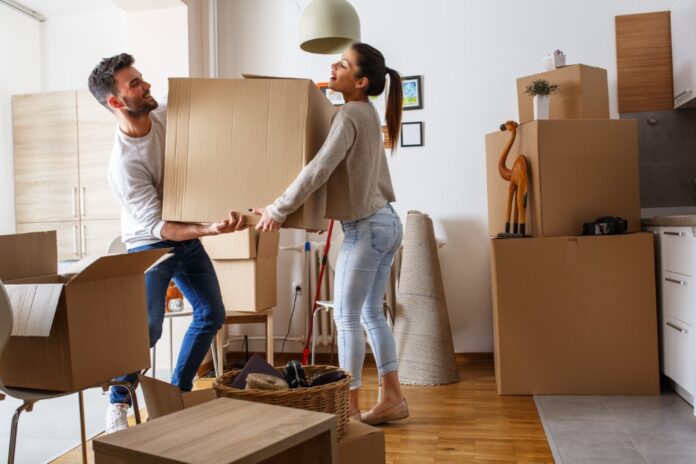
If you’re coordinating a larger relocation, transport and timing matter just as much as packing technique. During a recent family move, I saw how professional removals and storage London services helped reduce unnecessary handling of boxes and furniture. Fewer transfers often mean fewer opportunities for damage.
Research consistently recommends packing in stages rather than trying to complete everything during the final few days. Room by room packing also makes unpacking far more manageable.
Use The Right Packing Materials
People often focus on saving money with packing supplies. I understand the temptation. Still, damaged belongings usually cost more than a few extra boxes.
Quality boxes, strong tape, packing paper, and protective wrapping create a safer move. Flimsy boxes tend to buckle under weight, especially when stacked.
A simple comparison shows why material choice matters:
| Item | Better Option | Why It Helps |
| Heavy books | Small box | Easier to lift safely |
| Glassware | Double wall box | Better protection |
| Furniture hardware | Zip bags with labels | Prevents lost parts |
| Electronics | Original packaging | Designed for protection |
After choosing materials, keep them in one location. Searching the house for tape every ten minutes becomes surprisingly annoying.
Important – Label bags containing screws, bolts, and cables immediately. Small parts are among the easiest things to lose during a move.
Pack Fragile Items Like They Matter
This sounds obvious, yet fragile items are often packed too quickly.
Every plate, glass, and decorative item should be wrapped individually. Empty spaces inside boxes should be filled so items cannot shift during transport. Professional moving guidance consistently recommends cushioning both the bottom of the box and any gaps between items.
A few habits have served me well over the years:
- Wrap each fragile item separately.
- Place heavier pieces at the bottom.
- Keep boxes reasonably light.
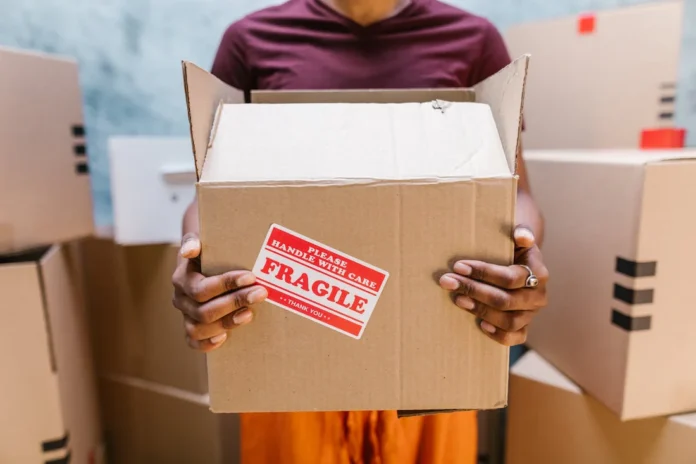
- Mark fragile boxes clearly.
- Avoid mixing breakables with unrelated heavy objects.
Did you know?
Many packing experts recommend storing plates vertically rather than stacking them flat. Vertical packing often reduces pressure that can cause cracking during transport.
Don’t Overpack Boxes
Have you ever lifted a box and immediately regretted your life choices? Most people have.
Overpacked boxes are difficult to carry and more likely to split. Underpacked boxes create a different problem because items shift around during transport. The goal is a secure fit without excessive weight.
A practical approach is to separate items by density. Books, tools, and paperwork belong in smaller containers. Pillows, linens, and clothing can fill larger boxes.
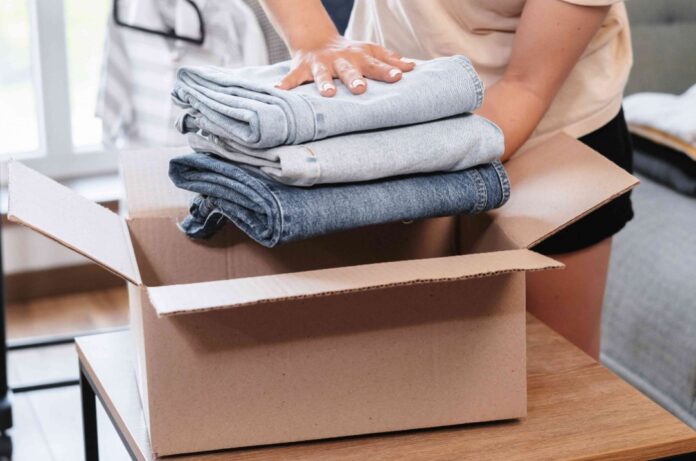
Experienced movers frequently recommend placing heavy items on the bottom and lighter items on top. Stable weight distribution reduces crushing and keeps stacks safer during loading.
I also like using towels, blankets, and spare clothing as protective padding. They need to be moved anyway, and they work surprisingly well.
Create An Essentials Box And Label Everything
Toward the end of packing, many people focus so heavily on protection that they forget about accessibility.
Imagine arriving at your new home and needing medication, phone chargers, toiletries, or important documents. Which box are they in?
Exactly.
Create one essentials box that stays with you throughout the move. Include daily necessities, basic tools, documents, chargers, and anything you’ll need during the first 24 hours.
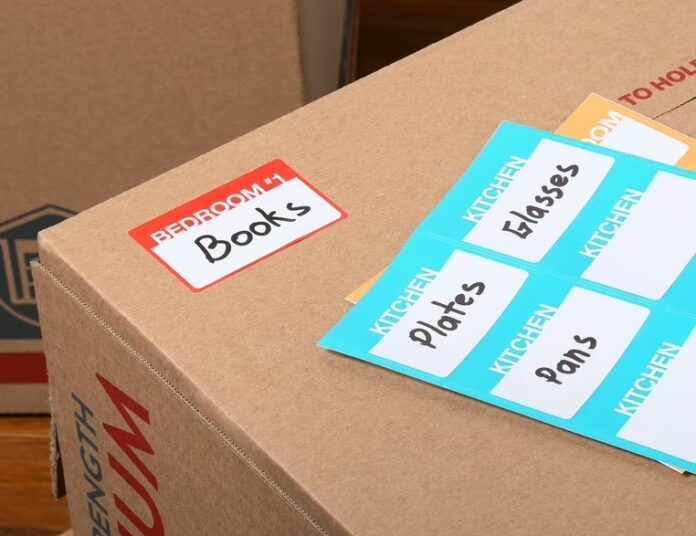
Community moving discussions regularly highlight clear labeling as one of the simplest ways to reduce moving stress. Room specific labels help movers place boxes correctly and prevent unnecessary handling later.
Moving Day Is The Final Test
Packing is only half the job. Loading matters too.
Heavy boxes should create the foundation of the load. Fragile and lightweight boxes belong higher up. Furniture should be secured to prevent shifting during transit. Moving experts consistently advise against stacking fragile items beneath heavier belongings.
Most importantly, don’t rush the final hour. Many packing mistakes happen because people suddenly realize the truck is arriving soon.
A careful move takes a little longer, but it dramatically improves the chances that everything arrives in the same condition it left. When the first box is opened in your new home, you’ll be glad you spent the extra effort protecting what matters.