
Running group fitness classes used to mean juggling spreadsheets, printed schedules, text messages, and a front desk constantly answering the same questions.
Modern gyms simply cannot operate that way anymore. Members expect fast booking, instant updates, mobile access, and a smoother overall experience from the moment they sign up for a class.
Gym software has shifted from being a “nice extra” into the operational center of a fitness business.
A modern system is no longer just about managing memberships. It connects scheduling, communication, analytics, attendance, payments, and member engagement into one platform.
Industry platforms now focus heavily on automation, mobile access, retention tracking, and integrated booking experiences because gyms need systems that reduce admin time while improving the customer experience.
Scheduling That Actually Works for Group Fitness

Group fitness creates a completely different operational challenge compared to traditional gym memberships. Classes fill up quickly, instructors change, members cancel late, and waitlists constantly move. Software that cannot handle those moving parts becomes frustrating for both staff and members.
Modern systems should support recurring classes, capacity limits, automated waitlists, instructor availability, and real time booking updates. Many newer platforms also connect payments directly to bookings so there is less manual tracking for gym staff.
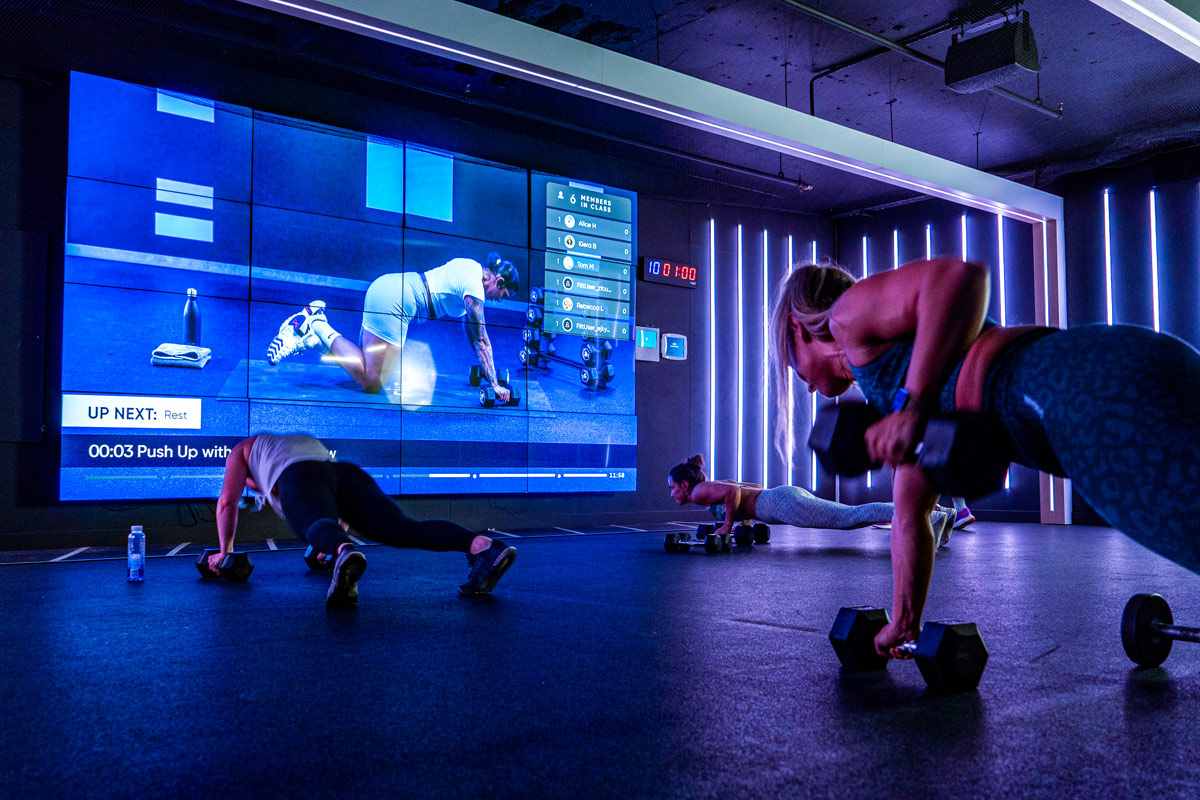
One thing many gym owners overlook is visual communication inside the facility itself. Large class studios benefit from live schedule displays that members can quickly scan between sessions.
A good example is Gym TV System that display workout schedules, class details, and studio information in a clean, visible format without requiring members to stop and ask the front desk every few minutes.
A scheduling system should reduce friction. If booking a class feels complicated, members start attending less often.
Member Experience Is Now Part of the Software
Most members judge a gym long before the actual workout begins. They judge it during sign up, booking, check in, and communication. That is why member experience has become one of the biggest selling points in modern gym software.
The strongest systems now include features like:
- Mobile booking
- Push notifications
- Automated reminders
- Digital waivers
- Self service account management
- Attendance history
- Personalized class recommendations
Platforms focused on retention also monitor behavior patterns. Some systems can identify members who suddenly stop attending classes or reduce weekly visits, allowing gyms to reach out before cancellations happen.
Important fact: Retention is often more profitable than aggressive new member acquisition. Many fitness businesses lose revenue through preventable member drop off rather than poor marketing.
That shift explains why software companies now emphasize engagement tools almost as much as billing features.
Why Automation Matters More Than Most Owners Expect

There is a huge difference between software that stores information and software that actively removes repetitive work from staff.
Many gyms still spend hours manually confirming bookings, chasing failed payments, sending reminders, or updating attendance records. Modern systems automate most of that process.
According to multiple gym software providers, automation now sits at the center of modern fitness management because it reduces operational errors and saves significant administrative time.
Areas where automation makes the biggest difference:
| Task | Manual Process | Modern Software Approach |
| Class reminders | Staff messages members individually | Automatic notifications |
| Waitlists | Front desk calls members | Instant auto fill |
| Membership renewals | Manual follow up | Automated recurring billing |
| Attendance tracking | Paper or spreadsheets | Real time digital check ins |
| Instructor scheduling | Separate calendars | Centralized scheduling dashboard |
The biggest advantage is consistency. Automation prevents things from slipping through the cracks during busy hours.
Under that operational layer, staff gain more time to focus on coaching, onboarding, and building relationships with members instead of handling repetitive admin tasks.
Reporting and Analytics Should Be Easy to Understand
Some gym software platforms collect huge amounts of data but present it in confusing dashboards nobody actually uses. A modern system should simplify decision making, not overwhelm gym owners with numbers.
The most useful analytics tools focus on practical information such as:
- Most attended classes
- Peak booking times
- Instructor performance
- Member retention trends
- Revenue by program
- Cancellation patterns
- Waitlist demand
Several modern gym platforms now use AI powered insights to help identify trends automatically instead of forcing owners to manually interpret reports.
Did you know?
A fully booked class is not always the most profitable class. Analytics often reveal that smaller premium sessions or specialty programs generate higher long term member retention and better revenue stability.
That type of information helps gyms make smarter scheduling decisions instead of relying on assumptions.
Mobile Access Has Become Non Negotiable
People manage almost everything from their phones now. Fitness scheduling is no different. If members cannot quickly book a class while sitting at work, commuting, or walking out of another session, attendance drops.
Modern fitness software increasingly revolves around mobile apps because they create faster interaction between gyms and members. Many systems now include branded mobile apps where members can:
- Reserve classes
- Join waitlists
- Update memberships
- Receive announcements
- Track attendance
- Access workout history
Several leading platforms emphasize mobile first functionality because members expect the same convenience they get from banking, food delivery, or travel apps.
Integration Matters More Than Fancy Features
Some software platforms advertise endless feature lists but struggle with basic integration. That creates disconnected systems where billing, marketing, scheduling, and reporting all operate separately.
Modern gym software should connect smoothly with:
- Payment processors
- Access control systems
- CRM tools
- Email marketing platforms
- Staff management systems
- Accounting software
Integration prevents duplicate work and reduces mistakes. For example, when attendance tracking automatically updates retention reports and member communication, staff no longer need to manually sync information between platforms.
Many fitness businesses discover too late that disconnected software creates operational bottlenecks that slow growth.
What a Modern Gym System Should Really Deliver
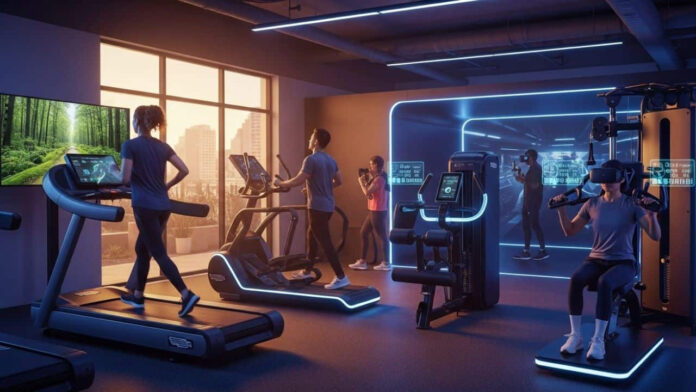
A modern group fitness system should make the gym feel organized without making it feel robotic. Members still want personal interaction and community. Good software simply removes the frustrating parts that interrupt that experience.
The strongest systems combine scheduling, communication, automation, analytics, mobile access, and member engagement into one connected platform. They reduce admin pressure on staff while helping members stay consistent with classes and programs.
Most importantly, modern gym software should adapt as a business grows. Flexible software becomes a long term investment rather than a short term fix.
That balance between operational efficiency and member experience is what separates modern systems from outdated gym management tools.