
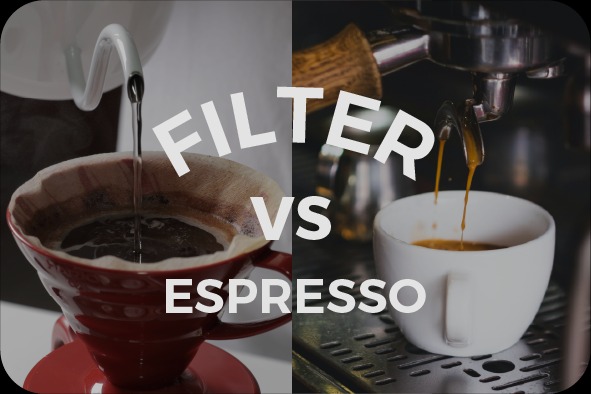
Did you know that espresso makes up less than 10% of global coffee consumption, yet it shapes most café culture worldwide? That tiny, concentrated shot drives cappuccinos, lattes, and countless morning rituals. On the other hand, filter coffee dominates homes, offices, and slow weekend routines.
So which one truly suits you? The answer depends on taste, strength, brewing method, and how you plan to enjoy your cup.
Here’s what truly separates espresso from filter coffee.
What Sets Espresso and Filter Coffee Apart
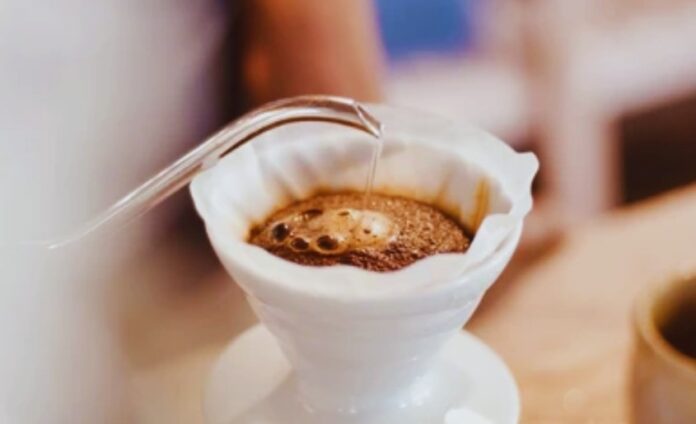
At first glance, both come from the same coffee beans. The difference lies in extraction. Espresso forces hot water through finely ground coffee under high pressure. Filter coffee allows water to pass slowly through coarser grounds using gravity.
The results feel dramatically different:
- Espresso brews in about 25 to 30 seconds
- Filter coffee takes 3 to 5 minutes
- Espresso uses pressure
- Filter relies on drip or immersion
Because extraction time and grind size vary, flavour compounds develop differently. Espresso tends to highlight body and intensity. Filter coffee emphasises clarity and nuance.
If you enjoy exploring various roast profiles at home, coffee subscriptions make experimentation easier.
Freshly roasted beans delivered regularly allow you to test how the same origin tastes as espresso compared to filter. Consistency matters when comparing styles.
Taste Profile: Bold Shot vs Layered Cup
Espresso delivers concentrated flavour with a syrupy texture. Its crema layer traps aromatic oils, giving a dense mouthfeel and lingering aftertaste.
Filter coffee feels lighter on the palate. Because water passes through grounds more gradually, delicate flavour notes stand out clearly. Floral, citrus, berry, or nut characteristics often shine brighter in filter preparation.
Here is a simple comparison:
| Element | Espresso | Filter Coffee |
| Body | Thick and creamy | Light to medium |
| Acidity | Sharp and intense | Clean and balanced |
| Aroma | Concentrated | More layered and open |
| Aftertaste | Lingering and bold | Smooth and subtle |
Espresso magnifies flavour. Filter coffee separates flavour. Neither is better. Preference depends on what you value in your cup.
Strength and Caffeine: Common Misconceptions
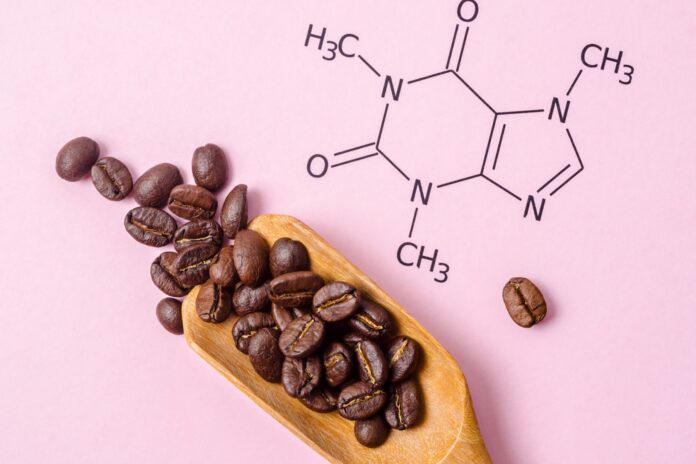
Many assume espresso is stronger in caffeine. That belief needs clarification.
Espresso contains more caffeine per millilitre, but filter coffee usually contains more caffeine per serving due to larger volume.
A single espresso shot holds roughly 60 to 70 mg of caffeine. A standard cup of filter coffee may contain 90 to 120 mg. So although espresso tastes stronger, filter coffee often delivers more total caffeine.
Strength in coffee has two meanings:
- Concentration of flavour
- Total caffeine content
Espresso wins in flavour concentration. Filter often wins in overall caffeine intake. If you want a quick, intense boost, espresso fits well. If you prefer steady sipping with prolonged caffeine release, filter coffee may serve you better.
Brewing Equipment and Skill Level
Brewing method influences both cost and learning curve. Espresso machines require precision. Pressure, grind size, water temperature, and timing must align closely. Even slight errors affect extraction quality.
Filter brewing tends to be more forgiving. Options include:
- Pour over drippers
- French press
- Automatic drip machines
- AeroPress
Each method offers control without the technical pressure system required for espresso. Beginners often find filter coffee easier to master.
However, espresso allows creative flexibility in milk-based drinks. Cappuccino, flat white, macchiato, and latte all depend on espresso as the base. Filter coffee typically stands alone without milk foam artistry.
Did you know that professional espresso machines operate at around 9 bars of pressure? That level of force shapes its signature crema and texture.
Best Uses for Espresso
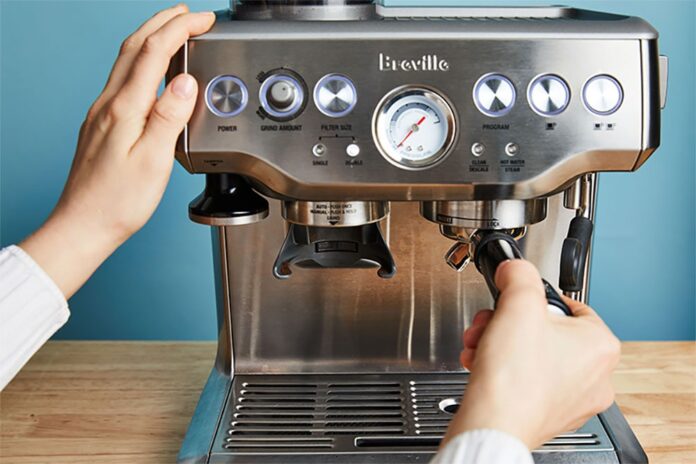
Espresso shines in specific situations. It fits fast-paced mornings, quick café stops, or structured drink recipes.
Best scenarios for espresso include:
- Making milk-based beverages
- Quick caffeine intake
- After-dinner digestive ritual
- Specialty café environments
Because espresso concentrates flavour, it cuts through milk effectively. A latte without espresso would taste weak. Its bold character anchors sweetness and foam.
Espresso also suits social settings where speed matters. One quick shot, and you move forward with your day. Its ritual feels efficient and focused.
In culinary contexts, espresso appears in desserts such as tiramisu or affogato. Its intensity carries through sugar and cream without disappearing.
Best Uses for Filter Coffee
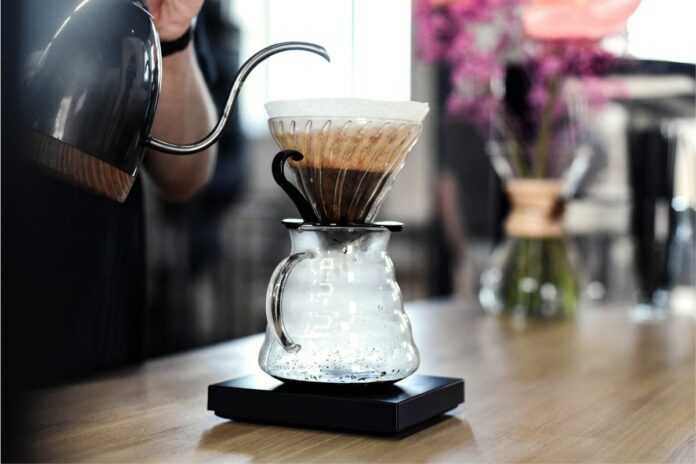
Filter coffee thrives in slower environments. It complements extended conversations, remote work sessions, or relaxed weekends.
Ideal uses include:
- Morning routines at home
- Office environments
- Long reading sessions
- Highlighting single-origin beans
Because filter coffee preserves clarity, it works beautifully with lightly roasted beans. Complex acidity and fruit-forward notes remain distinct.
Many specialty roasters recommend filter brewing for tasting sessions. It reveals terroir characteristics more transparently than espresso. If you want to compare origins side by side, filter offers a cleaner comparison platform.
Filter coffee also scales easily. Brewing for multiple people requires less effort compared to pulling several espresso shots consecutively.
Which One Should You Choose?
When deciding between espresso vs filter coffee, focus on lifestyle rather than hype.
Ask yourself:
- Do you prefer intense flavour in small amounts?
- Do you enjoy milk-based drinks?
- Do you value clarity and subtle complexity?
- Do you need larger caffeine servings?
Your answers guide the choice naturally.
Many coffee lovers eventually enjoy both styles. Morning filter coffee can provide sustained energy. Afternoon espresso can deliver a focused reset. Variety often enriches appreciation.
What truly matters is freshness, quality beans, and consistent brewing technique. Equipment plays a role, but attention to grind size, water temperature, and timing influences flavour more than brand names.
Coffee culture continues evolving. Yet the core decision remains simple. Choose the style that matches how you live and how you like to experience flavour.
In the end, both espresso and filter coffee offer distinct pleasures. One delivers concentrated intensity. The other offers clarity and balance. Knowing when to use each transforms your daily cup into something intentional rather than automatic.