
Did you know that in many parts of Mexico, drinking water quality can vary not just by city, but by neighborhood and even by building? Municipal treatment standards exist, yet aging infrastructure, mineral-heavy groundwater, and inconsistent maintenance often affect what actually comes out of the tap. That reality leaves many homeowners asking the same practical question: how do you choose a water filtration system that actually fits life in Mexico?
This guide focuses on how water quality differs across regions, what problems filtration systems are meant to solve, and how to match a system to your household needs.
Water Quality Conditions Across Mexico
Water quality in Mexico is shaped by geography, infrastructure, and local treatment practices. In coastal regions, higher salinity and mineral content are common. Central areas often deal with hard water due to limestone-rich aquifers, while older urban zones may face contamination from aging pipes.
Before selecting any filtration system, homeowners should understand what they are trying to fix. Filtration works best when it targets specific problems rather than attempting to solve everything at once.
Common water concerns in Mexican homes include:
- High mineral content that causes scale buildup on appliances.
- Sediment from pipes or municipal supply fluctuations.
- Chlorine taste and odor from disinfection processes.
- Bacteria risks in areas with inconsistent water treatment.
Knowing which of these applies to your home makes the rest of the decision process far more straightforward and cost-effective.

Whole-House vs Point-of-Use Systems Explained
Not all filtration systems serve the same purpose. One of the first structural decisions homeowners face is whether to filter all water entering the house or only water used for drinking and cooking.
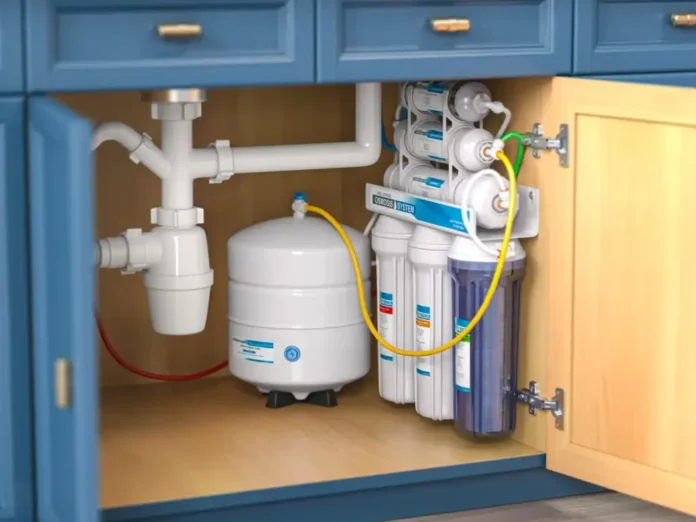
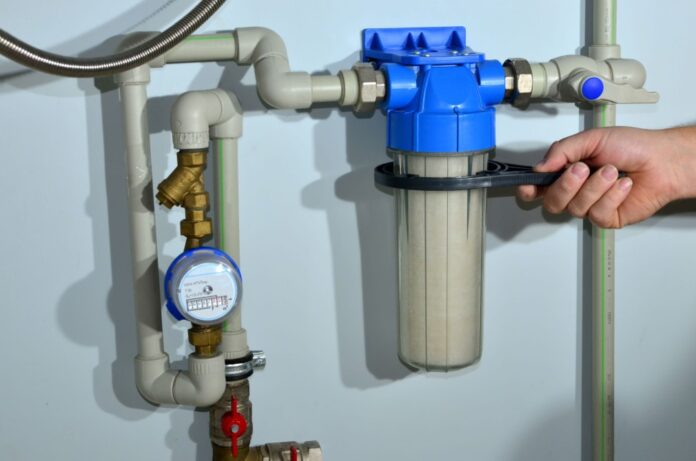
Whole-house systems are installed at the main supply line and treat water before it reaches any tap. Point-of-use systems focus on specific locations, such as kitchen sinks or refrigerators.
A simple comparison helps clarify the difference:
| System Type | Coverage Area | Typical Use Case |
| Whole-house filtration | Entire home | Protecting plumbing and appliances |
| Point-of-use filtration | Single tap or appliance | Drinking and cooking water |
Whole-house systems suit homes with widespread water issues, while point-of-use options work well when quality problems are limited to taste or safety at consumption points.
Matching Filtration Technology to Local Water Problems
Different filtration technologies address different water issues, and choosing the wrong type can lead to disappointing results. The most effective systems are problem-specific rather than generic.
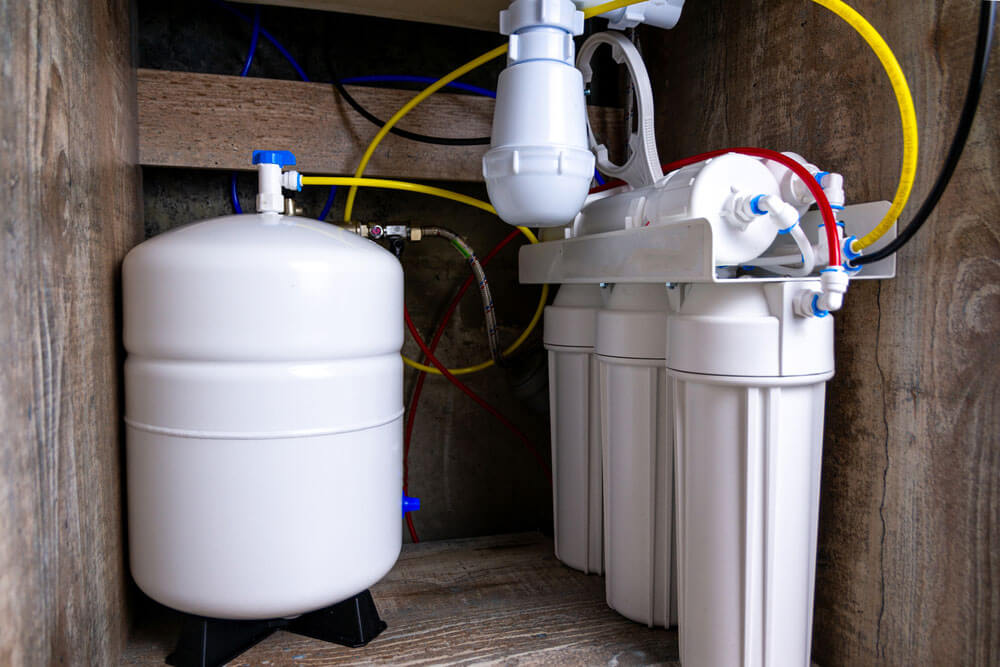
Carbon filters excel at removing chlorine and improving taste. Reverse osmosis systems reduce dissolved solids, heavy metals, and salts. UV systems focus on bacteria and microorganisms but do not remove minerals or chemicals.
When evaluating technologies, homeowners should consider:
- Whether the primary concern is health, taste, or appliance protection.
- Local water reports or basic home testing results.
- Ongoing maintenance requirements for each technology.
In many Mexican homes, combining technologies yields the best outcome, such as pairing sediment pre-filters with carbon or reverse osmosis systems.
Choosing a Reliable Supplier and Support Network
A filtration system is not a one-time purchase. Filters need replacing, systems require servicing, and proper installation matters more than many homeowners realize. That makes supplier reliability just as important as the equipment itself.
Homeowners often benefit from working with providers that understand regional water conditions and offer ongoing guidance rather than generic solutions. Platforms like acuario.io value clear system explanations and long-term support, especially when navigating the specific challenges of water quality in Mexico.
When evaluating suppliers, pay attention to:
- Availability of replacement filters locally.
- Clear documentation and system specifications.
- Access to customer support after installation.
- Experience with residential systems in Mexico.
A strong support network prevents small issues from becoming expensive problems later.
Maintenance, Filter Replacement, and Long-Term Costs
Filtration systems work only as well as their maintenance allows. Ignoring filter replacement schedules can reduce effectiveness and even reintroduce contaminants into the water.
Ongoing costs are often overlooked during purchase decisions. A system with a lower upfront price may become more expensive over time if filters are costly or hard to source.
Homeowners should plan for:
- Regular filter changes based on usage and water quality.
- Annual system inspections for whole-house setups.
- Budgeting for replacement parts over several years.
- Monitoring changes in water taste or flow rate.
Thinking long-term helps avoid frustration and ensures the system continues delivering the benefits it promised.
Final Decision
Choosing the best water filtration system in Mexico comes down to understanding your local water, your household needs, and your willingness to maintain the system properly. There is no universal best option, only the best fit for a specific situation.
A thoughtful decision balances performance, support, and long-term practicality. By focusing on real conditions rather than marketing promises, homeowners can invest in a system that improves daily life rather than complicating it.
With the right approach, water filtration becomes a quiet upgrade that simply works in the background, delivering cleaner water, protecting your home, and offering peace of mind year after year.