
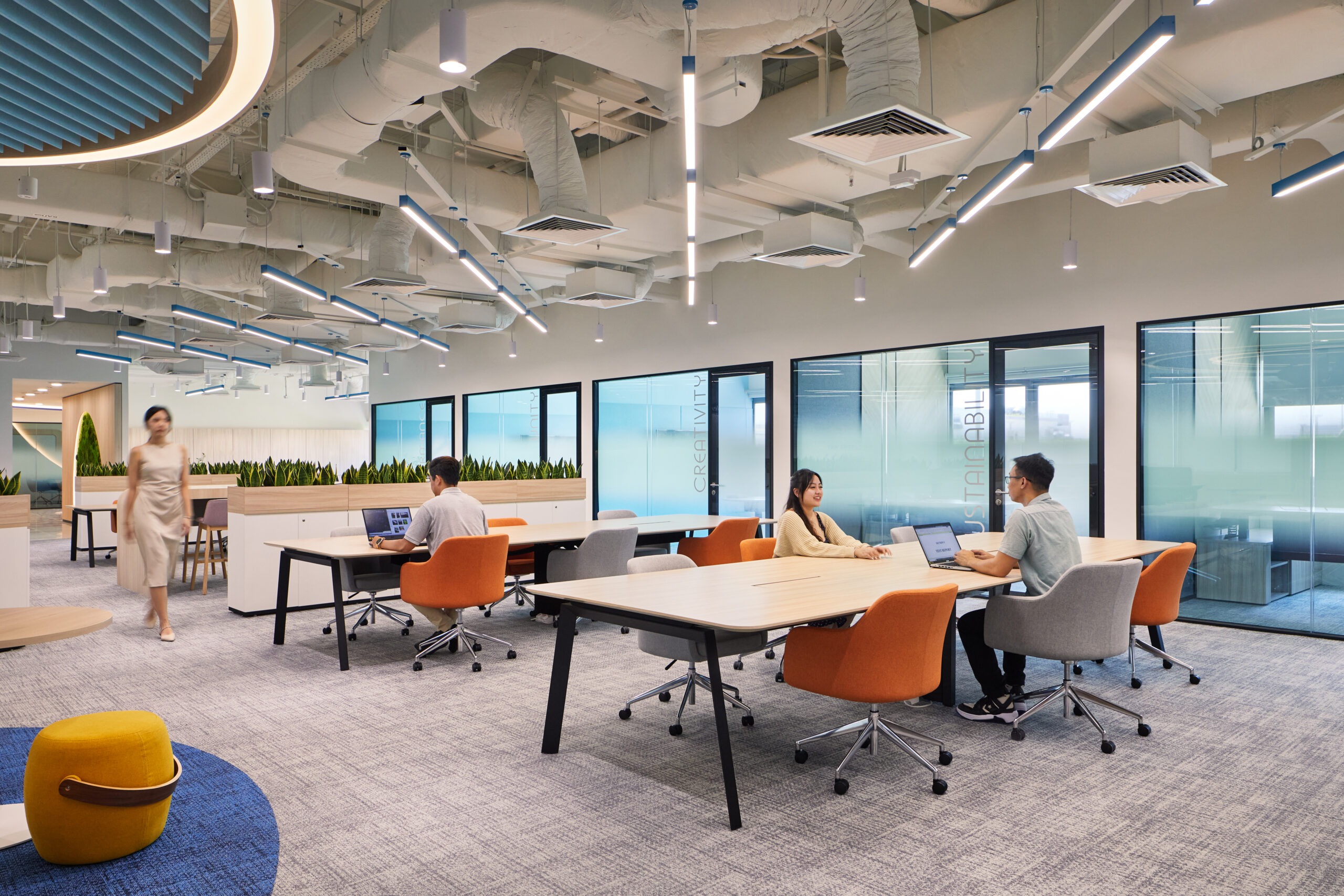
Creating a productive, functional, and visually appealing office requires careful planning and execution.
Businesses considering a redesign, fit-out, or full construction project must approach the process strategically to minimise disruptions, control costs, and achieve a workspace that aligns with their organisational goals.
Office design and construction is more than just aesthetic improvement; it directly affects workflow, employee satisfaction, collaboration, and operational efficiency.
This guide outlines the key steps to plan your office design and construction effectively, offering insights into layout strategies, budgeting, timelines, compliance, and working with commercial builders or designers.
Why Planning Is Critical for Office Design and Construction
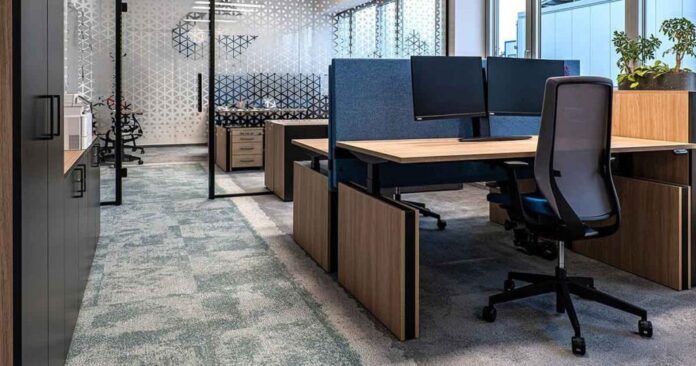
Poorly executed office design and construction projects can result in costly delays, inefficiencies, and spaces that fail to meet employee or client needs.
Early-stage planning is crucial to:
- Define business objectives and workspace requirements.
- Determine realistic budgets and construction timelines.
- Ensure compliance with building codes and safety regulations.
- Select suitable commercial builders and designers.
- Minimise operational disruption during the project.
By investing time upfront to plan your office design and construction, businesses can avoid common pitfalls and create environments that boost productivity and foster collaboration.
Step 1: Define Your Office Goals and Requirements
Before engaging builders or designers, clarify the purpose of the project. Ask questions such as:
- Are you expanding or relocating?
- What is your expected employee headcount?
- What types of workspaces are needed (open-plan, private offices, collaborative zones)?
- How should the space reflect your brand identity?
Documenting these goals helps guide decisions around layout, materials, lighting, and furniture.
It also ensures that the project meets the needs of all stakeholders, from management to staff, and aligns with the company’s long-term strategy.
Step 2: Develop a Budget and Timeline
A clear budget and timeline are essential for a successful office design and construction project. Consider:
- Construction and fit-out costs.
- Furniture, technology, and equipment expenses.
- Contingency funds for unexpected costs.
- Planning and permit fees.
- Project milestones and deadlines.
Breaking the project into phases allows better cost control and ensures critical areas are prioritised. Discuss timelines with designers and contractors to understand realistic completion dates and avoid unnecessary delays.
Step 3: Choose the Right Design and Construction Team
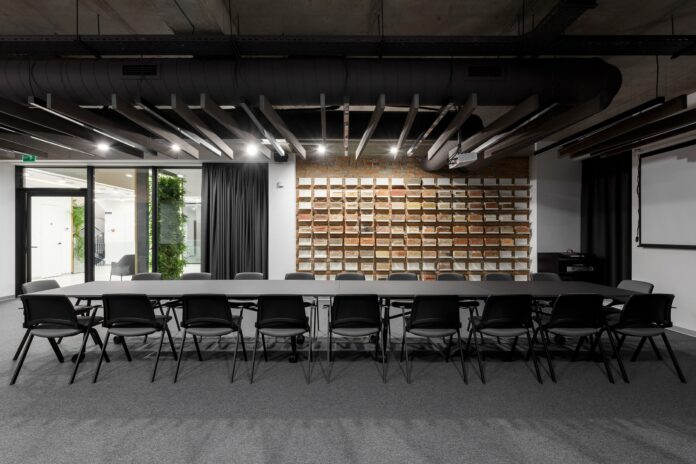
Selecting experienced commercial builders, interior designers, or project managers is critical.
Consider their portfolio, expertise in office projects, and ability to coordinate multiple stakeholders. A skilled team can offer:
- Layout optimisation for productivity and space utilisation.
- Advice on materials and finishes suitable for the business environment.
- Assistance with compliance and permits.
- Effective project management from concept to completion.
Collaborating closely with your team ensures the project reflects your objectives while staying on schedule and within budget.
Step 4: Plan Your Office Layout
Office layout strategy affects workflow, collaboration, and employee satisfaction. Key considerations include:
- Open-plan areas for teamwork and flexibility.
- Private offices or quiet zones for focused work.
- Meeting rooms and collaboration spaces with appropriate technology.
- Break areas to support employee well-being.
- Reception and client-facing spaces reflecting brand image.
Use 2D floor plans or 3D renderings to visualise the space and identify potential challenges before construction begins. This approach allows adjustments early and prevents costly mistakes.
Step 5: Consider Compliance and Safety
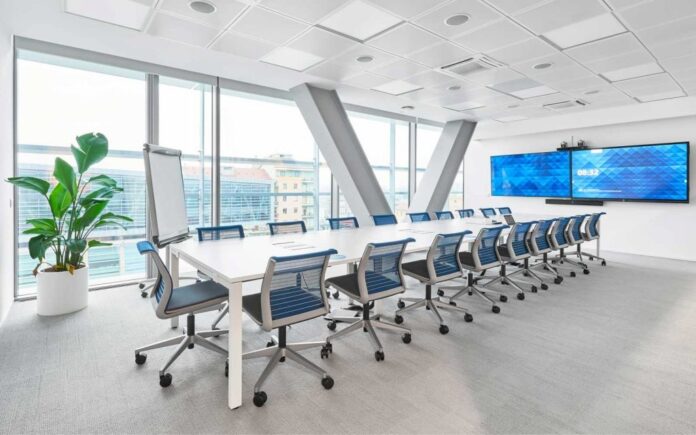
All office design and construction projects must comply with local building codes, safety regulations, and accessibility standards. Key areas to address include:
- Fire safety and emergency evacuation routes.
- Disability access requirements.
- Electrical, plumbing, and HVAC standards.
- Environmental sustainability and energy efficiency.
Engaging experienced contractors and designers ensures that the office meets regulatory standards and provides a safe, functional environment for employees and visitors.
Step 6: Select Materials, Furniture, and Technology
Choosing the right materials and furnishings balances aesthetics, durability, and functionality.
Consider:
- Flooring that supports foot traffic and maintenance needs.
- Wall finishes that reflect your brand identity and interior design theme.
- Ergonomic furniture to support employee health and productivity.
- Integrated technology for meetings, presentations, and communication.
Selecting materials and furniture early helps streamline the procurement process and reduces delays during construction.
Step 7: Project Management and Construction
Once planning, approvals, and designs are complete, the construction phase begins. Effective project management is crucial for staying on track. Key tips include:
- Schedule regular site inspections and progress reports.
- Maintain open communication between contractors, designers, and management.
- Monitor costs and adjust the budget if needed.
- Address issues promptly to avoid delays.
- Ensure that safety protocols are strictly followed.
This approach keeps the project aligned with goals and minimises disruption to ongoing business operations.
Step 8: Incorporate Flexibility for the Future
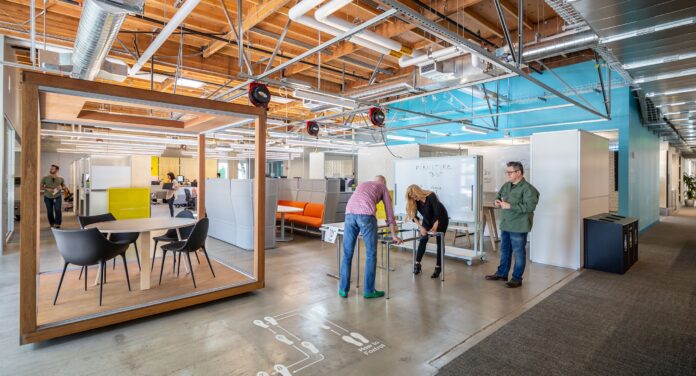
Office needs evolve over time. Incorporate flexibility into your design and construction to accommodate future growth or changes, such as:
- Modular furniture or partitions that can be reconfigured.
- Spaces that can serve multiple purposes.
- Technology infrastructure that can support upgrades.
Planning for adaptability ensures that the office remains functional and efficient as the business expands or changes.
Step 9: Evaluate and Finalise the Project
After construction is complete, conduct a thorough evaluation. Check that:
- All areas are completed according to the design plan.
- Safety standards and compliance requirements are met.
- Furniture and equipment are installed correctly.
- The office is fully functional for employees and operations.
Solicit feedback from staff to identify any minor adjustments needed and ensure that the space meets the intended purpose.
Step 10: Enhancing Brand Identity Through Design
Office design is an opportunity to express company culture and values.
Thoughtful design elements, branded colours, custom signage, and creative layouts reinforce identity and create a lasting impression on clients, partners, and employees.
Integrating these elements during the construction phase ensures seamless execution and maximises impact.
Examples of How Businesses Successfully Plan Office Design and Construction
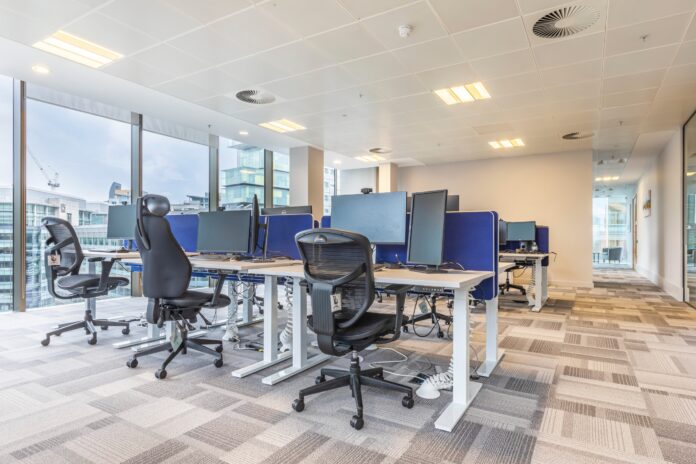
- A technology startup engaged a design firm to plan your office design and construction, incorporating open-plan collaboration zones, private focus pods, and an on-site wellness area.
- A law firm in Perth redesigned its office layout to include multiple meeting rooms with integrated AV systems, ergonomic furniture, and client-friendly reception areas.
- A financial services company implemented modular workstations and flexible partitions to allow for future growth while maintaining a professional and welcoming environment.
These examples demonstrate that careful planning, professional input, and attention to detail result in functional, efficient, and visually appealing offices.
Conclusion
Office design and construction is a complex, multi-step process that requires strategic planning, careful budgeting, expert guidance, and clear communication.
By understanding your business objectives, selecting the right team, planning layouts, ensuring compliance, and incorporating flexibility, you can create a workspace that enhances productivity, employee satisfaction, and brand identity.
Businesses that take a structured approach and actively plan your office design and construction are far more likely to achieve a successful outcome, minimise disruption, and enjoy a long-term, functional, and attractive office environment.